Biological safety cabinet YR06539
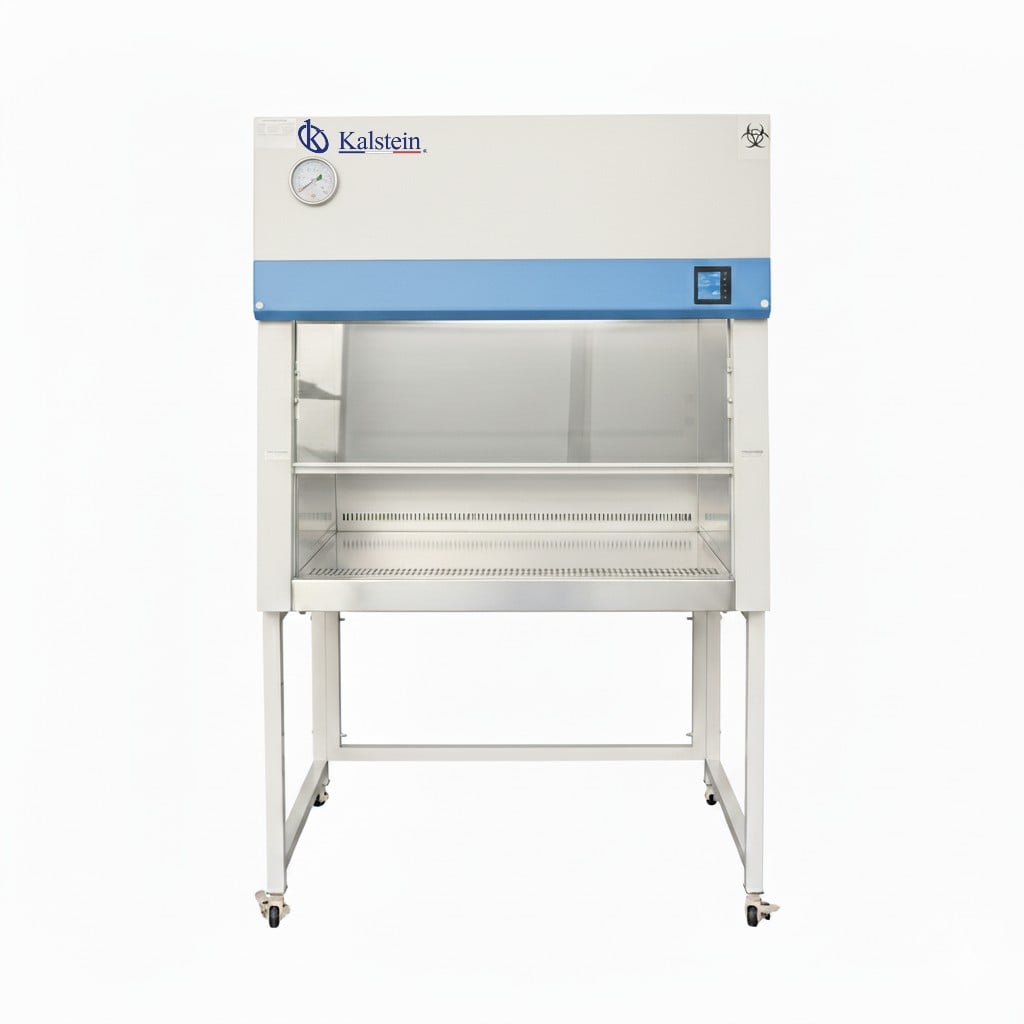
The Biological safety cabinet YR06539 combines technical features for laboratory routines, operational continuity and a coherent equipment selection process.
This page provides an overview of the Biological safety cabinet YR06539, including selection criteria, investment factors, operational advantages and maintenance recommendations. The aim is to support an informed decision before requesting a quotation.
This Kalstein model is available for laboratories in United States, with selection criteria adapted to local purchasing, installation and support conditions.
Key factors to consider
Before selecting the Biological safety cabinet YR06539, confirm workflow, available space, required accessories and installation conditions. This prevents oversizing the purchase and helps prepare a more accurate quotation.
Its use is oriented to laboratory routines that require observation, control and operational continuity.
For the market in United States, evaluation should consider local context such as FDA regulation, large hospital networks, biotech hubs and match the product to the real workload of the laboratory.
Market price range
The investment should be evaluated according to configuration, required accessories, installation conditions and available technical support.
The final price may vary according to configuration, accessories, logistics, warranty and territorial availability. Compare the technical sheet with the real laboratory workload before confirming the investment.
In United States, budget comparison should include FDA references, 120V/60Hz power conditions, accessories, logistics and after-sales support.
Value for money
Equipment value depends on operational stability, required accuracy, ease of maintenance and accessory availability.
Value for money should be reviewed together with equipment stability, after-sales support, technical documentation and expected service life. A well-matched selection reduces downtime and improves return on investment.
Advantages and disadvantages
Its use is oriented to laboratory routines that require observation, control and operational continuity.
Main advantages include specialized application, integration with laboratory routines and accessory configuration. Limitations may include installation requirements, user training and preventive maintenance to preserve performance.
Expected lifespan based on use and maintenance
Model YR06538 YR06539 YR06540 YR06541 YR06542 Package Size (mm) 110*100*140 130*100*140 160*100*140 190*100*140 210*100*140 External Size (mm) 900*760*2250 1100*760*2250 1300*760*2250 1500*760*2250 1800*760*2250 Internal Size (mm) 740*600*600 940*600*600 1140*600*600 1340*600*600 1640*600*600 Light Three-condition waterproof LED fluorescent lamp Work Surface Brushed stainless steel SUS304 # Housing 1.0 mm thick cold-rolled steel plate with epoxy resin coating on the surface Fan Built-in fan 220V, 138W, diameter 250mm High-efficiency technical parameters Window 5mm tempered glass Lighting and UV UV disinfection lamp * 1, LED lamp 10W * 2. Outlets Waterproof socket $10\text{A}$ * 2, installed on the back wall.
Service life depends on usage frequency, cleaning, storage, calibration when applicable and adherence to technical recommendations. A structured maintenance plan helps preserve accuracy, safety and operational continuity.
Support and spare-parts availability oriented to United States helps preserve service continuity and plan preventive maintenance without extended downtime.
Specifications table for the Biological safety cabinet YR06539
Biological safety cabinet YR06539
Preguntas Frecuentes
¿Cuál es la diferencia entre los filtros ULPA y HEPA? La serie G utiliza filtros ULPA de ultra alta eficiencia (99,999% de eficiencia), mientras que la serie D utiliza filtros HEPA de alta eficiencia (99,995% de eficiencia). Ambos son excelentes, pero ULPA ofrece un nivel de pureza ligeramente superior. ¿Cuál es la precisión del control de flujo de aire hacia abajo? La precisión del control de flujo de aire hacia abajo es de 0,015 m/s, lo que asegura la uniformidad y estabilidad del flujo para mantener la esterilidad dentro del área de trabajo. ¿Qué tamaños están disponibles? ¿Qué nivel de limpieza garantiza el gabinete? El gabinete garantiza el Nivel 5 de la norma internacional ISO14644.1 (Clase 100 US Federal 209E), un requisito estricto para entornos sensibles.Ventajas y Desventajas
Ventajas: Doble Filtración: Utiliza filtros HEPA externos y filtros de flujo descendente ULPA/HEPA, garantizando hasta un 99,999% de eficiencia. Seguridad Superior (Presión Negativa): El diseño de presión negativa evita fugas, protegiendo al operador y al medio ambiente. Diseño Optimizado: Conducto de aire razonable y caja de presión negativa optimizada para la uniformidad del flujo. Motor Alemán de Alto Rendimiento: Utiliza motor EBM de bajo consumo y alto volumen de aire. Construcción Duradera: Acero laminado en frío resistente a la corrosión y tratamiento de superficie con resina epoxi. Desventajas: Requisitos Ambientales: El entorno de trabajo debe mantenerse entre 10-30°C y una humedad relativa de menos del 70%. Peso del Envío: El peso del envío es considerable, oscilando entre 138 kg y 198 kg (dependiendo del tamaño), lo que puede complicar el transporte e instalación. Limitaciones de Flujo: Aunque es recirculante (70% interno), el 30% de descarga externa requiere consideración de un sistema de ventilación de escape.Uso del Producto en el Campo
La Cabina de Bioseguridad Clase II Tipo A2 es indispensable para el manejo de agentes biológicos de bajo a moderado riesgo, como virus, bacterias y cultivos celulares, que requieren bioseguridad. Es la opción estándar en laboratorios de microbiología, hospitales, centros de investigación biotecnológica y farmacéutica donde la protección del producto, del personal y del medio ambiente es crítica. Su capacidad de control de vibración (media amplitud: 3μm) y flujo de aire estable son esenciales para experimentos sensibles.Recomendaciones
Para garantizar la longevidad y máxima seguridad: Realizar mantenimiento regular a los filtros y verificar la calibración del sensor importado. Confirmar que el entorno de trabajo cumpla con los requisitos de temperatura (10-30°C) y humedad (menos del 70%). Verificar periódicamente la velocidad del flujo de entrada (promedio 0,53m/s a 0,56m/s) y la velocidad del flujo de aire descendente (promedio 0,35m/s) para asegurar que la protección de presión negativa se mantenga efectiva. Utilizar ruedas móviles de alta resistencia para el posicionamiento inicial y asegurar la estabilidad antes de la operación.| Model | YR06538 | YR06539 | YR06540 | YR06541 | YR06542 |
| Package Size (mm) | 110*100*140 | 130*100*140 | 160*100*140 | 190*100*140 | 210*100*140 |
| External Size (mm) | 900*760*2250 | 1100*760*2250 | 1300*760*2250 | 1500*760*2250 | 1800*760*2250 |
| Internal Size (mm) | 740*600*600 | 940*600*600 | 1140*600*600 | 1340*600*600 | 1640*600*600 |
| Light | Three-condition waterproof LED fluorescent lamp | ||||
| Work Surface | Brushed stainless steel SUS304 # | ||||
| Housing | 1.0 mm thick cold-rolled steel plate with epoxy resin coating on the surface | ||||
| Fan | Built-in fan 220V, 138W, diameter 250mm | ||||
| High-efficiency technical parameters | |||||
| Window | 5mm tempered glass | ||||
| Lighting and UV | UV disinfection lamp * 1, LED lamp 10W * 2. | ||||
| Outlets | Waterproof socket $10\text{A}$ * 2, installed on the back wall. | ||||
| Voltage | $220\text{V}/50\text{HZ}$ | ||||
| Filtration and Ventilation | Equipped with HEPA filter * 2, built-in centrifugal fan of 300W. | ||||
| Air Flow | 30% air exhaust, 70% air recirculation. | ||||
| Control Panel | Digital LCD control panel. | ||||
| Packaging | Complete packaging, with hard cardboard and wooden box. | ||||
| Mobility | Sturdy wheels. | ||||
Frequently Asked Questions about the Biological safety cabinet YR06539
How do I choose the right biological safety cabinet yr06539 for my laboratory?
Selection should start from workload, critical technical parameters, available space and frequency of use. Kalstein can support the comparison between operational needs, budget and maintenance requirements to avoid choosing equipment that is oversized or insufficient.
What should I review before requesting a quotation?
Review the model, technical specifications, required accessories, electrical conditions, consumables, delivery timing and installation needs. With this information, the quotation can be prepared more accurately and aligned with the laboratory workflow.
Does Kalstein provide guidance for this type of equipment?
Yes. The commercial and technical team can support product evaluation, explain differences between models, answer application questions and advise on preventive maintenance, spare parts and documentation required for a secure purchase.
What maintenance helps extend the equipment lifespan?
Follow the manufacturer manual, perform regular cleaning, verify calibrations or controls when applicable, avoid workload abuse and keep maintenance records. Stable use and preventive routines reduce failures and improve operational continuity.