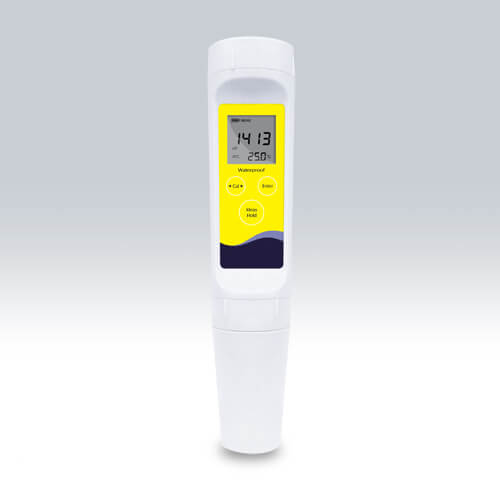
How to Adapt the YR01810 Conductivity Meter for Different Clinical and Industrial Sectors
The YR01810 conductivity meter is not just a tool for measuring conductivity; it's a versatile device that can adapt across various sectors including clinical, industrial, food, veterinary, and educational applications. Understanding how to effectively use this instrument in different environments can enhance its utility and the accuracy of your measurements.
Technical Specifications of the YR01810
| Model | YR01810 |
|---|---|
| Conductivity Range | 0 to 20.00, 200.0, 2000µS/cm, 20.00mS/cm |
| Resolution | 0.01, 0.1, 1 |
| Accuracy | ±1% F.S. |
| Calibration Points | 1 to 3 points |
| Temperature Compensation | Automatic |
| Display Type | Dual LCD Display |
| Power Supply | 2 AAA batteries |
| Dimensions | 185(L)×40(Dia.)mm |
| Weight | 100g |
Utilizing the YR01810 in Clinical Settings
In clinical environments, the YR01810 can be employed to monitor the quality of water used in laboratories and to ensure that samples are not contaminated. Its dual measuring modes for conductivity and total dissolved solids (TDS) make it ideal for assessing the purity of reagents and solutions in various tests.
One practical application of the YR01810 is in the calibration of laboratory equipment that requires precise liquid measurements. The ability to calibrate the YR01810 with 1 to 3 points ensures accuracy, which is crucial in clinical diagnostics.
Adapting to Industrial Applications
Industries that process chemicals or consume large volumes of water can greatly benefit from the YR01810. Its quick and reliable measurements help in monitoring processes, ensuring that operations stay within safe and efficient conductivity ranges.
Moreover, the automatic temperature compensation feature allows the YR01810 to adjust readings according to varying temperature conditions, which is common in industrial settings where temperature fluctuations can occur rapidly. This ensures that data collected is both accurate and reliable.
Food Industry Applications
In the food industry, maintaining quality standards is paramount. The YR01810 can be used to check the salinity of food products and the quality of cleaning solutions used in food preparation areas. Regular monitoring helps prevent contamination and quality degradation.
Additionally, using the YR01810 to measure TDS in water used for food production can help ensure that the water meets safety regulations, making it an essential tool for quality control in food manufacturing.
Veterinary Use Cases
The YR01810 is also beneficial in veterinary applications, particularly when assessing the water quality for animal consumption. Keeping track of the salinity and TDS levels in drinking water can help maintain animal health and welfare.
In addition, veterinary clinics can utilize the meter for calibrating solutions used in treatments and ensuring that all administered solutions meet the required conductivity standards.
Educational Purpose and Training
Educational institutions can incorporate the YR01810 into their science curricula, providing students with hands-on experience in using a professional-grade conductivity meter. This exposure is invaluable for students pursuing careers in environmental science, chemistry, and biology.
By using the YR01810 in laboratory experiments, students can learn about the concepts of conductivity, TDS, and salinity, and how these factors affect various chemical and biological processes.
Frequently Asked Questions
What types of samples can the YR01810 measure?
The YR01810 can measure various liquid samples including water, chemical solutions, and any other liquids where conductivity and salinity measurements are applicable.
How does temperature affect conductivity readings?
Temperature can significantly affect conductivity readings, which is why the YR01810 includes automatic temperature compensation. This feature ensures accurate measurements regardless of the sample temperature.
Can the YR01810 be used for field testing?
Yes, the YR01810 is portable and designed for ease of use in field conditions, making it suitable for outdoor testing where quick and reliable measurements are necessary.
What maintenance is needed for the YR01810?
Regular calibration and cleaning of the conductivity probe are essential for maintaining the accuracy of the YR01810. It's also advisable to store the meter in a protective case when not in use, to prevent damage.
How often should the YR01810 be calibrated?
Calibration frequency depends on usage; however, it is generally recommended to calibrate the YR01810 at least once a week or before critical measurements to ensure accuracy.
Conclusion
The YR01810 conductivity meter's adaptability across various sectors demonstrates its invaluable role in enhancing measurement accuracy and ensuring quality control. By understanding and effectively utilizing this meter in clinical, industrial, food, veterinary, and educational settings, users can leverage its features for optimal results.
If you are looking for a fusion of innovation and quality, you have come to the right place. At Kalstein, we offer you the luxury of exploring our exclusive catalog of laboratory equipment. We manufacture every device to the highest standards of excellence. Our intuitive and seamless online purchasing channels are designed for your convenience, securing the most competitive prices. Hesitate no longer — we bring science to life, it is time to become part of our community.