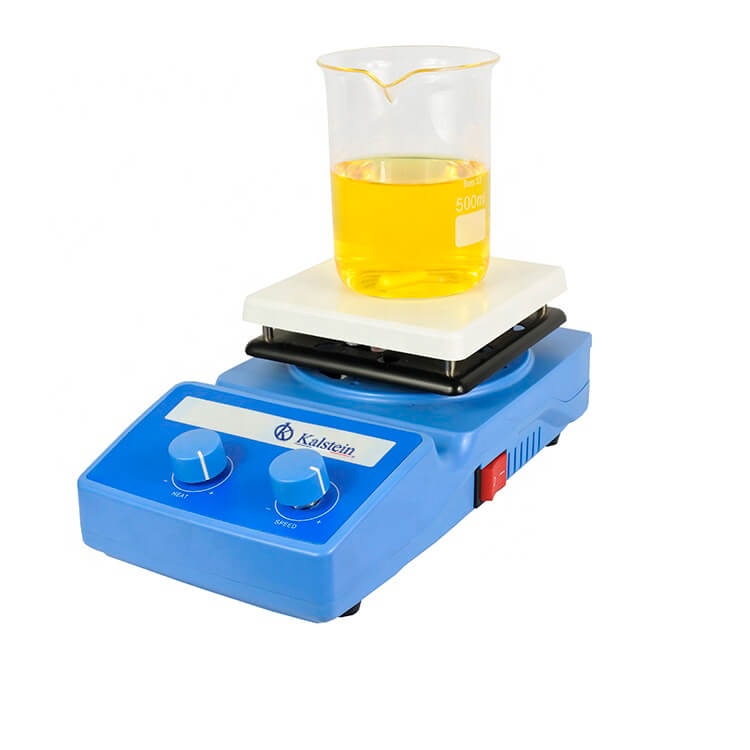
Analog Ceramic Top Hotplate Stirrer: Common Mistakes and How to Avoid Them in Daily Operation
What is it used for in 2026
In 2026, Analog Ceramic Top Hotplate Stirrers are widely utilized in laboratories for heating and mixing solutions. They are essential tools in chemical and biological research, providing precise temperature control and efficient stirring. Their applications include preparing reactions, maintaining temperatures during experiments, and ensuring uniformity in mixtures.
History and evolution of the technology
The technology behind Analog Ceramic Top Hotplate Stirrers has evolved significantly over the years. Initially, laboratory stirrers were simple, manual devices. With advancements in materials and electronics, modern stirrers feature improved temperature control mechanisms and user-friendly interfaces. The ceramic top is particularly beneficial due to its durability and ease of cleaning.
How to use it step by step
Using an Analog Ceramic Top Hotplate Stirrer involves several straightforward steps:
- Setup: Place the stirrer on a stable, level surface in a well-ventilated area.
- Connect: Plug in the device and ensure it is powered on.
- Temperature Setting: Adjust the temperature to the desired level using the control panel.
- Stirring Speed: Set the stirring speed according to your experimental requirements.
- Add Sample: Place the beaker with the solution on the ceramic surface while ensuring the magnetic stir bar is inside.
- Monitor: Regularly check the temperature and stirring efficiency during the experiment.
- Shut Down: After completing the process, turn off the device and allow it to cool down before cleaning.
Best techniques and protocols
To maximize efficiency and safety, follow these best techniques:
- Regularly calibrate your hotplate stirrer for accurate temperature readings.
- Use appropriate glassware that can withstand the temperature and is compatible with magnetic stirring.
- Ensure that the magnetic stir bar is the correct size for the container to avoid interference with the stirrer.
- Monitor the heating surface to prevent overheating and potential hazards.
- Keep the ceramic surface clean to maintain heat conductivity and safety.
Practical applications by laboratory type
Analog Ceramic Top Hotplate Stirrers find applications in various laboratory types:
- Chemistry Labs: For reaction mixtures and synthesis processes.
- Biology Labs: To maintain cell cultures and biochemical reactions.
- Pharmaceutical Labs: In drug formulation and testing procedures.
- Environmental Testing: For sample preparation and analysis.
Regulations, standards and certifications
Laboratories using Analog Ceramic Top Hotplate Stirrers must adhere to several regulations and standards. These include:
- ISO 9001 for quality management systems.
- ASTM standards for laboratory equipment.
- Local safety regulations regarding electrical and thermal equipment.
Comparison with alternative technologies
When comparing Analog Ceramic Top Hotplate Stirrers with alternative technologies like magnetic stirrers and electric hot plates, several factors come into play:
- Noise: Analog Ceramic Stirrers are quieter than gear-driven alternatives.
- Efficiency: They often provide more uniform heating and mixing compared to standalone devices.
- Flexibility: Can be used in closed systems without contamination risks.
Comparison of available models
| Model | Best for | Key specs | Recommended use case |
|---|---|---|---|
| YR02933 | Basic heating and stirring | Price: $125.00 | Dimensions: x x | General laboratory use for small volumes. |
| YR02934 | Versatile stirring applications | Price: $152.00 | 180 x 180 mm | PID control | Ideal for chemical and biological experiments. |
| YR02935 | High-performance stirring | Price: $190.00 | 230 x 230 mm | 750 W | Suitable for larger volumes and intensive mixing. |
| YR02936 | Robust applications | Price: $265.00 | 280 x 280 mm | 450 W | Best for demanding laboratory workflows and higher temperatures. |
Common mistakes and how to avoid them
Laboratory professionals often encounter several common mistakes when using Analog Ceramic Top Hotplate Stirrers:
- Incorrect Temperature Settings: Always double-check the temperature settings before starting an experiment to avoid overheating.
- Improper Stir Bar Size: Use an appropriately sized stir bar to ensure efficient mixing.
- Neglecting Calibration: Regular calibration is essential for accurate and reliable results.
- Ignoring Safety Protocols: Always adhere to safety standards to prevent accidents.
Maintenance, calibration and good practices 2026
To ensure optimal performance in 2026, follow these maintenance and calibration practices:
- Clean the ceramic surface after every use to prevent residue buildup.
- Calibrate the hotplate regularly to ensure accurate temperature readings.
- Inspect power cords and connections for any signs of wear or damage.
- Store the unit in a dry, dust-free environment when not in use.
Cost-benefit analysis 2026
In 2026, the cost-benefit analysis of using Analog Ceramic Top Hotplate Stirrers highlights their affordability and efficiency. While initial costs vary by model, their durability and low maintenance requirements offer a significant return on investment over time. Their ability to provide consistent results can enhance productivity and reduce waste in laboratory settings.
Frequently asked questions
What should I consider when selecting a hotplate stirrer?
Consider factors such as the maximum temperature, stirring speed, and size of the heating surface. Also, evaluate the materials used and whether the model meets your laboratory's specific needs.
How do I clean the ceramic top of the stirrer?
Use a soft cloth and a suitable cleaning solution for ceramic surfaces. Avoid abrasive materials that could scratch the ceramic.
Can I use my stirrer for closed systems?
Yes, one of the advantages of Analog Ceramic Top Hotplate Stirrers is their ability to be used in closed systems, as they do not have external moving parts that could cause contamination.
How often should I calibrate my hotplate stirrer?
It is recommended to calibrate your stirrer regularly, ideally before significant experiments or on a monthly basis for everyday use.
What type of glassware is best for use with hotplate stirrers?
Use borosilicate glassware, which can withstand high temperatures and is less likely to break under stress.
Are there safety features in modern hotplate stirrers?
Many modern hotplate stirrers come equipped with safety features such as over-temperature protection, which helps prevent accidents and equipment damage.
How can I request a quote for a hotplate stirrer?
You can easily request a quote via our online platform or contact our sales team directly for assistance.
If you are looking for a fusion of innovation and quality, you have come to the right place. At Kalstein, we offer you the luxury of exploring our exclusive catalog of laboratory equipment. We manufacture every device to the highest standards of excellence. Our intuitive and seamless online purchasing channels are designed for your convenience, securing the most competitive prices. Hesitate no longer — we bring science to life, it is time to become part of our community.