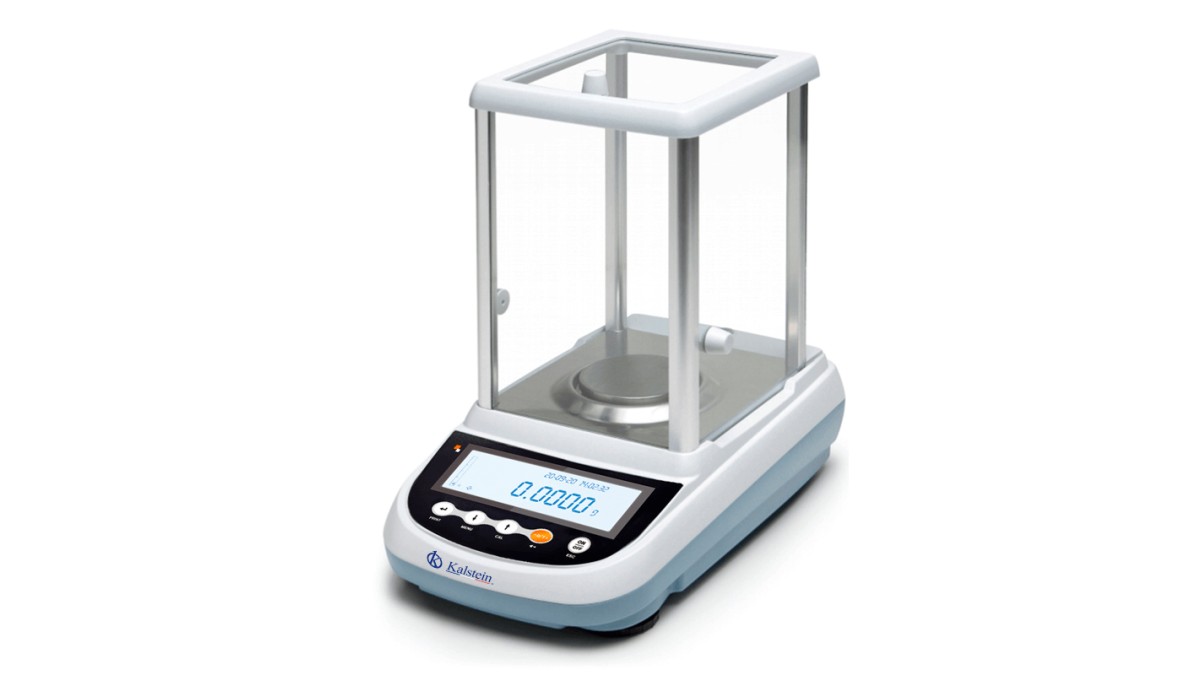
Analytical Balances: Practical Applications and Techniques 2026
Analytical balances are essential tools in laboratories across various sectors including research, biotechnology, and academia. They provide precise measurements necessary for experiments and analyses. This guide aims to explore their uses, historical evolution, best practices, and practical applications in different laboratory environments as of 2026.
What is it used for in 2026
In 2026, analytical balances are primarily used for measuring mass with high precision. They are crucial for applications such as chemical analysis, preparation of solutions, quality control, and research experiments. Laboratories utilize these balances for activities like:
- Determining the weight of small samples for chemical reactions.
- Preparing standard solutions in analytical chemistry.
- Performing quality assurance tests in manufacturing processes.
- Conducting biological and environmental sample analysis.
History and evolution of the technology
The evolution of analytical balances dates back to the early days of weighing technology. Traditional balances were simple beam scales, but the need for higher precision led to the development of the analytical balance in the 19th century. Key advancements included:
- The introduction of electronic components that improved measurement accuracy.
- Integration of automatic internal calibration functions to maintain precision.
- Development of advanced user interfaces, including touch screens and digital displays.
- Enhanced stability and response time due to improved load cell technology.
How to use it step by step
Using an analytical balance involves several meticulous steps to ensure accuracy. Here’s a step-by-step guide:
- Preparation: Ensure the balance is placed on a stable, vibration-free surface. Allow it to warm up if it has been turned off.
- Calibration: Perform a calibration check. Use internal or external calibration weights as per the manufacturer’s guidelines.
- Taring: Place an empty container on the balance and tare it to zero. This ensures only the sample's weight is measured.
- Measurement: Add the sample carefully into the container. Close doors if applicable and wait for a stable reading.
- Recording: Note the measurement displayed. Repeat for accuracy if necessary.
- Cleaning: After use, clean the balance with a suitable cloth to avoid contamination.
Best techniques and protocols
To achieve the best results with analytical balances, follow these protocols:
- Always use the balance in a draft-free environment.
- Utilize appropriate containers that do not add significant weight.
- Minimize the handling of samples to prevent moisture or temperature changes.
- Regularly schedule maintenance checks and calibrations based on usage frequency.
- Implement standard operating procedures (SOPs) for all users to ensure consistency.
Practical applications by laboratory type
Analytical balances find applications across different laboratory types:
Chemistry Laboratories
Used for precise measurements in experiments and synthesis, ensuring accurate formulation of chemicals.
Biology Laboratories
Employed to weigh biological samples or reagents critical for experimental protocols.
Quality Control Laboratories
Utilized in industries to test raw materials and finished products to meet regulatory standards.
Pharmaceutical Laboratories
Essential for the accurate dosing and formulation of drugs to ensure efficacy and safety.
Regulations, standards and certifications
Analytical balances must comply with various regulations and standards including:
- ISO 9001 for quality management systems.
- ISO/IEC 17025 for testing and calibration laboratories.
- Good Laboratory Practices (GLP) to ensure reliability and reproducibility of results.
Comparison with alternative technologies
While analytical balances are favored for their precision, alternatives like digital scales and mechanical balances have their uses:
- Digital Scales: Generally less precise, used for larger samples where high accuracy is less critical.
- Mechanical Balances: Offer robustness and reliability in field applications but lack the precision of analytical balances.
Comparison of available models
| Model | Best for | Key specs | Recommended use case |
|---|---|---|---|
| YR05568 | High precision measurement | Capacity: 220g, Resolution: 0.1mg | General laboratory use |
| YR05569 | Calibration and stability | Capacity: 310g, Resolution: 0.1mg | Routine quality control |
| YR05570 | Advanced analytical needs | Capacity: 410g, Resolution: 0.1mg | Chemical synthesis |
| YR05571 | Flexible laboratory applications | Capacity: 510g, Resolution: 0.1mg | Pharmaceutical development |
| YR05572 | High-end precision tasks | Capacity: 610g, Resolution: 0.1mg | Research applications |
| YR05573 | Jewelry and fine measurements | Capacity: 100g, Resolution: 0.0001g | High precision jewelry measurement |
Common mistakes and how to avoid them
Some common mistakes users may encounter include:
- Not calibrating: Always calibrate before use to maintain accuracy.
- Ignoring environmental factors: Ensure a stable environment to avoid fluctuations in readings.
- Using incorrect containers: Choose appropriate containers that do not interfere with measurements.
- Not zeroing: Always tare before adding a sample to ensure accurate measurement.
Maintenance, calibration and good practices 2026
Regular maintenance is essential for the longevity and accuracy of analytical balances. Recommended practices include:
- Perform routine calibrations based on usage frequency.
- Clean the balance regularly to prevent contamination.
- Inspect and replace worn components as needed.
- Document all maintenance activities to track performance over time.
Cost-benefit analysis 2026
The cost of analytical balances can vary widely based on features and precision levels. However, the benefits include:
- Increased accuracy in laboratory results.
- Reduction in material waste due to precise measurements.
- Compliance with regulatory standards that can prevent costly penalties.
- Enhanced productivity through efficient workflows.
Frequently asked questions
What should I consider when choosing an analytical balance?
When selecting an analytical balance, consider the required precision, maximum capacity, environmental stability, and specific applications you intend to use it for. Choosing the right model can greatly enhance your laboratory's efficiency.
How often should I calibrate my analytical balance?
Calibration frequency depends on usage; however, it is recommended to calibrate daily before use or after relocating the balance. Regular checks ensure the accuracy of measurements.
Can I use any container for weighing samples?
No, it is essential to use appropriate containers that do not add significant weight or interfere with the balance's readings. Choose containers made from materials compatible with your samples.
What are the common issues with analytical balances?
Common issues include inaccurate readings due to environmental factors, improper calibration, and user errors. Ensuring proper use and maintenance can minimize these issues.
How can I maintain my analytical balance?
Regular cleaning, proper calibration procedures, and keeping the balance in a stable environment are crucial for maintenance. Documenting maintenance activities helps in tracking the balance's performance.
What is the best way to avoid errors in weighing?
To avoid errors, always ensure the balance is calibrated, use appropriate containers, minimize handling of samples, and make sure the environment is stable and free from drafts.
Where can I find high-quality analytical balances?
You can find high-quality analytical balances designed for various applications in specialized laboratory equipment catalogs. Don’t hesitate to request a quote for the best options available.
If you are looking for a fusion of innovation and quality, you have come to the right place. At Kalstein, we offer you the luxury of exploring our exclusive catalog of laboratory equipment. We manufacture every device to the highest standards of excellence. Our intuitive and seamless online purchasing channels are designed for your convenience, securing the most competitive prices. Hesitate no longer — we bring science to life, it is time to become part of our community.