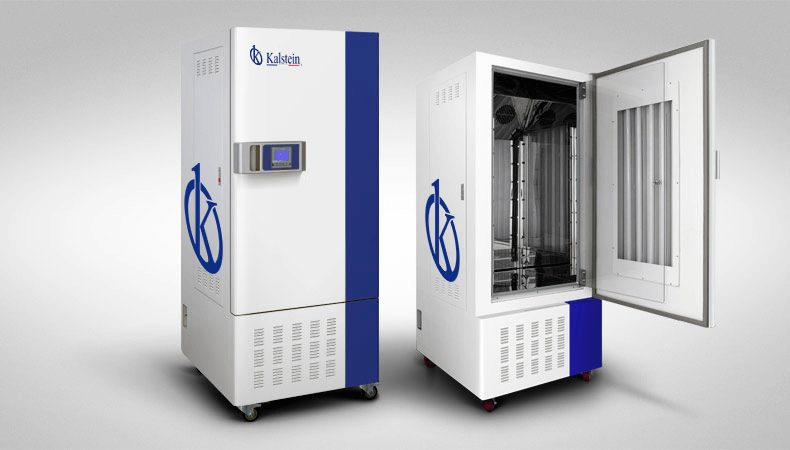
Artificial Climate Chambers: Practical Applications and Techniques 2026
Artificial climate chambers are essential tools in modern laboratories, enabling researchers to simulate various environmental conditions. This article delves deep into the applications, historical evolution, step-by-step usage, and best practices for these devices in 2026.
What is it used for in 2026
Artificial climate chambers are primarily used for simulating environmental conditions that can affect biological and chemical processes. They are essential for testing the impacts of temperature, humidity, and light on various biological specimens, including plant tissues, cell cultures, and small animals. With advancements in technology, these chambers have become crucial for long-term studies, helping researchers understand how different conditions can influence growth, development, and behavior.
History and evolution of the technology
The technology behind artificial climate chambers has evolved significantly over the years. Initially, these chambers were rudimentary in their design and function, limited to basic temperature regulation. However, with the development of advanced control systems and materials, modern climate chambers now integrate precise humidity control, programmable lighting, and automated data logging. This evolution has increased their reliability and expanded their applications in research and development across various scientific fields.
How to use it step by step
Using an artificial climate chamber involves several steps to ensure that the desired conditions are accurately replicated. Here is a step-by-step guide:
- Preparation: Ensure the chamber is clean and free of any previous samples or contamination.
- Setting Conditions: Use the control panel to set the desired temperature, humidity, and light cycles based on your experimental requirements.
- Loading Samples: Place your samples inside the chamber, ensuring they are positioned appropriately for uniform exposure to the controlled conditions.
- Monitoring: Regularly monitor the chamber’s environment using the built-in sensors and data logging features.
- Data Collection: Collect data as needed throughout the experimental period to analyze the effects of the environmental conditions.
- Post-Experiment Analysis: After the experiment concludes, carefully remove samples for analysis and ensure the chamber is cleaned for future use.
Best techniques and protocols
To maximize the effectiveness of artificial climate chambers, it is crucial to follow established techniques and protocols. Here are some best practices:
- Calibration: Regularly calibrate the sensors to ensure accurate readings of temperature and humidity.
- Replication: Conduct multiple trials to ensure reproducibility of results.
- Documentation: Keep detailed logs of settings, observations, and any deviations from expected conditions.
- Control Samples: Use control samples to compare against experimental groups, ensuring that observed effects are due to the manipulated variables.
- Environment Control: Minimize external disturbances such as vibrations or drafts that can affect the chamber's internal environment.
Practical applications by laboratory type
Artificial climate chambers find applications across multiple laboratory types, including:
- Biological Research: Used for studying the effects of climate on plant growth and development.
- Pharmaceuticals: Essential for stability testing of drugs under various environmental conditions.
- Agricultural Research: Used to simulate seasonal changes for crop development studies.
- Environmental Science: Employed to test the impact of climate change on various ecosystems.
- Food Industry: Used to test the shelf life and quality of food products under controlled climatic conditions.
Regulations, standards and certifications
It is crucial for laboratories to comply with various regulations and standards when using artificial climate chambers. These may include:
- ISO 17025: Ensures laboratories meet quality management standards.
- GLP (Good Laboratory Practice): Provides guidelines for conducting research in a consistent and reliable manner.
- FDA Regulations: Particularly for pharmaceutical applications, ensuring products meet safety and quality standards.
Comparison with alternative technologies
While artificial climate chambers are widely used, there are alternative technologies available, including:
- Growth Rooms: Larger spaces that allow for extensive plant growth but may lack precise environmental controls.
- Greenhouses: Natural light-dependent but can be difficult to control for specific conditions.
- Environmental Chambers: Similar to artificial climate chambers but designed for industrial applications, often lacking the same level of precision.
Comparison of available models
| Model | Best for | Key specs | Recommended use case |
|---|---|---|---|
| YR05347 | Biological tissue and cell culture | Temperature range: 10~65 ℃ (with lighting), 0~60 ℃ (without lighting); Humidity range: 50~90% HR | Long-term cultural experiments |
| YR05348 | Plant growth studies | Temperature range: 10~65 ℃ (with lighting), 0~60 ℃ (without lighting); Humidity range: 50~90% HR | Testing plant responses under controlled conditions |
| YR05349 | Research on small animals and insects | Temperature range: 10~65 ℃ (with lighting), 0~60 ℃ (without lighting); Humidity range: 50~90% HR | Behavioral studies under various climate conditions |
Common mistakes and how to avoid them
Inexperienced users may encounter common mistakes while using artificial climate chambers. To avoid these, consider the following:
- Ignoring Calibration: Always calibrate sensors before starting experiments to ensure accuracy.
- Overloading the Chamber: Adhere to the recommended load capacity to maintain optimal conditions.
- Neglecting Maintenance: Regularly clean and maintain the chamber to ensure longevity and reliability.
- Skipping Documentation: Keep meticulous records of experimental settings and observations to facilitate reproducibility.
Maintenance, calibration and good practices 2026
Regular maintenance and calibration are critical to the performance of artificial climate chambers. Good practices for 2026 include:
- Weekly Checks: Inspect the chamber’s internal environment and external components weekly to ensure optimal performance.
- Monthly Calibration: Calibrate temperature and humidity sensors monthly for accuracy.
- Routine Cleaning: Clean the interior and exterior surfaces regularly to prevent contamination.
- Record Keeping: Maintain a log of all maintenance activities for future reference.
Cost-benefit analysis 2026
The investment in artificial climate chambers can be substantial; however, evaluating their cost against benefits can provide insight into their value:
- Initial Costs: Consider the purchase price, installation, and setup costs.
- Operational Costs: Factor in electricity, maintenance, and calibration expenses.
- Research Benefits: Assess the potential for obtaining significant research findings that can lead to advancements in various fields.
- Long-Term Value: Consider the longevity and reliability of the equipment, yielding long-term benefits for research capabilities.
Frequently asked questions
What are the key factors to consider when choosing an artificial climate chamber?
Key factors include temperature and humidity ranges, control features, chamber size, and compatibility with your specific research needs.
How can I ensure the accuracy of the climate chamber's readings?
Regular calibration, routine maintenance, and using certified sensors can help ensure accuracy in temperature and humidity readings.
What are the common mistakes made when using climate chambers?
Common mistakes include ignoring calibration, overloading the chamber, neglecting maintenance, and failing to document settings and observations.
How often should I clean and maintain my climate chamber?
It's best practice to clean the chamber's interior and exterior regularly and to perform routine maintenance checks weekly.
Can artificial climate chambers replicate extreme environmental conditions?
Yes, modern climate chambers can simulate extreme conditions, but it's essential to check the specific model's capabilities to ensure it meets your research requirements.
What types of samples can I use in an artificial climate chamber?
You can use biological tissues, cell cultures, plants, small animals, and insects, depending on your research focus.
How do I ensure long-term stability of samples in the climate chamber?
By maintaining consistent environmental conditions, conducting regular monitoring, and using control samples, you can ensure the long-term stability of your samples.
If you are looking for a fusion of innovation and quality, you have come to the right place. At Kalstein, we offer you the luxury of exploring our exclusive catalog of laboratory equipment. We manufacture every device to the highest standards of excellence. Our intuitive and seamless online purchasing channels are designed for your convenience, securing the most competitive prices. Hesitate no longer — we bring science to life, it is time to become part of our community.