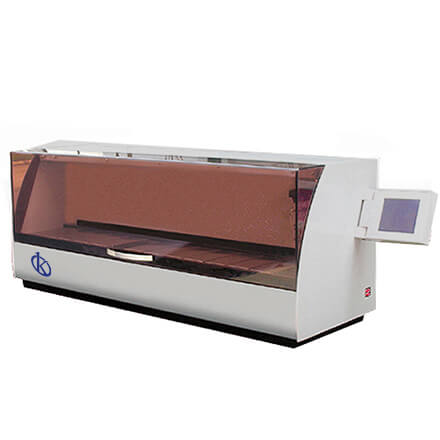
Automatic Slide Stainers: Best Practices and Techniques for 2026
What is it used for in 2026
Automatic Slide Stainers are critical tools in pathological anatomy labs, enabling the efficient and consistent staining of tissue samples for microscopic examination. In 2026, their use is increasingly prevalent due to advancements in technology that enhance speed, accuracy, and reproducibility. These devices help pathologists in the diagnosis of diseases by providing clear, stained slides that reveal the structure of tissues and cells.
History and evolution of the technology
The technology behind Automatic Slide Stainers has evolved significantly over the past few decades. Initially, staining was a manual process, requiring skilled technicians to prepare samples, apply stains, and rinse slides meticulously. However, the introduction of automated systems has revolutionized this process. Modern devices now incorporate features like touch screens, programmable protocols, and improved fluid handling systems to streamline workflows and reduce the potential for human error.
How to use it step by step
- Prepare the samples: Ensure that the tissue samples are adequately prepared and mounted on slides.
- Select the staining protocol: Use the touchscreen interface to select and customize a staining protocol that meets your laboratory's needs.
- Load the slides: Place the prepared slides into the designated loading area of the Automatic Slide Stainer.
- Start the staining process: Initiate the staining cycle and monitor the progress through the display.
- Unload and examine: Once the staining cycle is complete, carefully unload the slides and proceed to microscopic examination.
Best techniques and protocols
To achieve optimal results with Automatic Slide Stainers, it is essential to follow best practices regarding sample preparation and equipment settings. Use high-quality stains and reagents, and ensure that the staining protocols are validated for reproducibility. Regular updates to the protocols, based on the latest research and laboratory feedback, can lead to significant improvements in staining quality.
Practical applications by laboratory type
Automatic Slide Stainers are utilized across various laboratory settings, including:
- Clinical Laboratories: For routine diagnosis of tissue samples.
- Research Laboratories: For experimental studies requiring precise and consistent staining.
- Pathology Labs: Where accurate histological analysis is crucial for disease diagnosis.
Regulations, standards and certifications
In 2026, laboratories must adhere to strict regulations and standards governing laboratory equipment, including those set by organizations such as CLIA, ISO, and FDA. Automatic Slide Stainers need to be certified to ensure that they meet required safety and performance standards, thereby guaranteeing reliable results.
Comparison with alternative technologies
While Automatic Slide Stainers dominate the market for tissue staining, alternative methods such as manual staining and semi-automated systems still exist. Manual staining can be more flexible for unique samples but lacks consistency, while semi-automated systems offer a middle ground but may not achieve the same throughput as fully automated systems. Evaluating these options is crucial for laboratories considering their workflow efficiency and budget.
Comparison of available models
| Model | Best for | Key specs | Recommended use case |
|---|---|---|---|
| YR435 | High efficiency and simultaneous processing | 14 processing cups, 500W, 72 slides | Large labs requiring high throughput |
| YR435-1 | Versatile staining for different protocols | 400 slides/hour, 10 different racks | Research labs needing flexible staining options |
| YR436-1 | Compact setup for limited spaces | 15 tanks, adjustable treatment time, 400W | Small labs or those with limited space |
Common mistakes and how to avoid them
Common mistakes when using Automatic Slide Stainers include:
- Improper sample preparation, leading to poor staining results.
- Failing to calibrate the equipment regularly, resulting in inconsistent performance.
- Not adhering to validated protocols, which can compromise data quality.
To avoid these mistakes, laboratories should establish standard operating procedures, conduct regular training for staff, and perform routine maintenance checks on the equipment.
Maintenance, calibration and good practices 2026
Proper maintenance of Automatic Slide Stainers is crucial for their longevity and consistent performance. This includes:
- Regular cleaning of all components to prevent contamination.
- Routine calibration to ensure accurate operation.
- Documenting all maintenance activities to comply with regulatory standards.
Good practices also involve keeping user manuals accessible and training staff on best practices for equipment use.
Cost-benefit analysis 2026
When investing in Automatic Slide Stainers, it is crucial to conduct a cost-benefit analysis. Consider factors such as:
- Initial purchase cost versus long-term savings on labor and reagent waste.
- Increased throughput and reduced turnaround times, which can improve laboratory efficiency.
- The potential for higher quality results leading to better patient outcomes.
Evaluating these factors can help laboratories determine the value of investing in automation.
Frequently asked questions
What are the key factors to consider when choosing an Automatic Slide Stainer?
Key factors include throughput capacity, compatibility with staining protocols, ease of use, and maintenance requirements.
How often should I calibrate my Automatic Slide Stainer?
It is recommended to calibrate the equipment at least once a month or after a major maintenance service to ensure optimal performance.
Can I use any stain with my Automatic Slide Stainer?
Not all stains are compatible. Always check the manufacturer's recommendations for suitable stains to prevent damage to the equipment.
What should I do if I encounter staining inconsistencies?
Review the staining protocol, ensure accurate reagent preparation, and check the equipment’s calibration to identify the issue.
Are Automatic Slide Stainers worth the investment for small labs?
Yes, especially if those labs handle a significant volume of samples, as the time saved can justify the cost.
How can I ensure my equipment is compliant with regulations?
Regularly review and adhere to industry standards and ensure all maintenance and calibration records are documented.
What are some best practices for operating an Automatic Slide Stainer?
Follow standard operating procedures, ensure thorough training for all users, and maintain a clean and organized workspace.
If you are looking for a fusion of innovation and quality, you have come to the right place. At Kalstein, we offer you the luxury of exploring our exclusive catalog of laboratory equipment. We manufacture every device to the highest standards of excellence. Our intuitive and seamless online purchasing channels are designed for your convenience, securing the most competitive prices. Hesitate no longer — we bring science to life, it is time to become part of our community.