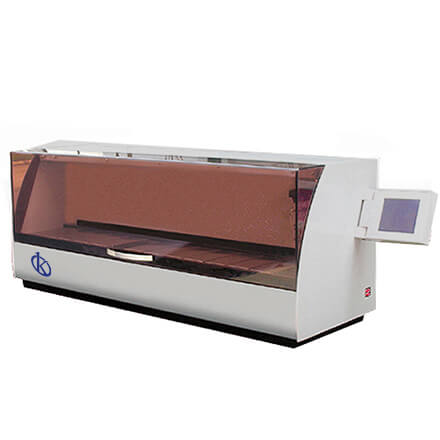
How Do Automatic Slide Stainers Contribute to Energy Sustainability in Laboratories?
The ongoing focus on energy sustainability and reducing environmental footprints in laboratory settings has driven advancements in laboratory technologies. Automatic slide stainers, such as the YR435, YR435-1, and YR436-1, play a pivotal role in this transition, offering efficiency, reduced resource consumption, and improved environmental compliance. This article delves into how these technologies can help laboratories achieve their sustainability goals while maintaining high standards of performance and output.
Understanding Energy Sustainability in Laboratory Settings
Energy sustainability refers to practices that reduce energy consumption, minimize waste, and enhance the efficiency of operations within laboratories. As a critical aspect of laboratory management, focusing on sustainability directly impacts operational costs and environmental responsibility. By integrating energy-efficient technologies like automatic slide stainers, laboratories can significantly lower their energy footprint while ensuring high throughput and accuracy in pathological analysis.
How Automatic Slide Stainers Improve Water Efficiency
Water consumption is a significant concern in laboratory processes, especially in staining procedures where multiple rinses are often required. Models like the YR435 feature an intelligent water inlet system that enhances water usage efficiency, ensuring that only the necessary amount of water is utilized at each staining stage. This not only reduces waste but also supports laboratories in meeting environmental regulations linked to water conservation.
Reducing Chemical Waste and Reagent Consumption
Automatic slide stainers optimize reagent usage through precise control mechanisms, which is key to minimizing chemical waste. For example, the YR436-1 utilizes a flexible transmission system that limits the amount of reagents used per staining cycle, thus enhancing sustainability. This reduction in chemical consumption not only lowers operational costs but also lessens the environmental impact associated with hazardous waste disposal.
Energy Consumption Metrics of Automatic Slide Stainers
Understanding the energy consumption of laboratory equipment is essential for evaluating their sustainability. The YR435-1, for instance, operates at a power of 200W, providing an efficient solution for high-volume staining tasks. By comparing energy usage across different models, laboratories can make informed decisions that align with their sustainability goals. Below is a table highlighting the energy specifications of the discussed models.
| Model | Power Consumption (W) | Water Consumption (L/run) | Reagent Efficiency |
|---|---|---|---|
| YR435 | 500 | 1.5 | High |
| YR435-1 | 200 | 1.0 | Medium |
| YR436-1 | 400 | 0.8 | High |
Integrating Sustainability into Laboratory Protocols
Incorporating sustainability into laboratory operations requires a strategic approach. Laboratories can develop protocols that leverage the capabilities of automatic slide stainers to enhance energy and resource efficiency. This includes scheduling maintenance for optimal performance, calibrating machines to ensure they operate within the best energy parameters, and training staff on best practices for using these machines effectively.
Comparison of Available Models
When choosing an automatic slide stainer, it's crucial to compare models based on energy efficiency, throughput, and operational capabilities. The following table provides a concise comparison of currently available models, focusing on their specifications and sustainability features.
| Model | Processing Capacity (Slides/hour) | Water Efficiency | Energy Consumption (W) | Best For |
|---|---|---|---|---|
| YR435 | 72 | High | 500 | High-volume labs |
| YR435-1 | 400 | Medium | 200 | Versatile staining needs |
| YR436-1 | Multiple stations | High | 400 | Compact spaces |
Common Mistakes and How to Avoid Them
When implementing automatic slide stainers, laboratories often make mistakes that can hinder their sustainability efforts. Common pitfalls include underestimating the importance of regular maintenance, which can lead to increased energy consumption, and failing to train staff adequately on efficient operation. Ensuring that protocols are in place and that all staff are educated about the machines' capabilities can significantly enhance both performance and sustainability.
Frequently Asked Questions
How do automatic slide stainers reduce water consumption in labs?
Automatic slide stainers, such as the YR435, utilize intelligent water management systems that optimize water usage during staining processes. This feature ensures that only the required amount of water is consumed, effectively reducing overall laboratory waste.
What are the energy consumption benefits of using the YR436-1 slide stainer?
The YR436-1 operates with a power consumption of only 400W while providing high throughput, making it an energy-efficient choice for laboratories looking to minimize their energy footprint while maintaining productivity.
Which automatic slide stainer is best for high-volume laboratories?
The YR435 model is ideal for high-volume laboratories, processing up to 72 slides simultaneously. Its high water efficiency and energy consumption metrics support sustainable laboratory practices effectively.
How can laboratories integrate sustainability into their protocols using slide stainers?
Laboratories can integrate sustainability by developing protocols that leverage the precise control features of models like the YR435-1 to ensure minimal reagent and water use, coupled with regular training for staff to optimize machine efficiency.
What is the impact of reagent efficiency on laboratory sustainability?
Reagent efficiency directly impacts sustainability by reducing the volume of chemicals used in staining processes, as demonstrated by the YR436-1. This model promotes sustainable practices by minimizing waste and enhancing cost-effectiveness.
How do automatic slide stainers comply with environmental regulations?
Models like the YR435 are designed with sustainability in mind, including features that promote water and energy efficiency, thus helping laboratories comply with environmental regulations while optimizing their staining processes.
What are the power requirements for different models of automatic slide stainers?
The power requirements vary among models, with the YR435 requiring 500W, while the YR435-1 needs only 200W. Selecting a model with lower power requirements can enhance a laboratory's sustainability efforts.
How can I assess the cost-effectiveness of an automatic slide stainer?
To assess cost-effectiveness, laboratories can compare the operational costs, including energy and reagent expenditures, of models like the YR435 and YR436-1. Analyzing these factors helps in making informed purchasing decisions aligned with sustainability goals.
If you are looking for a fusion of innovation and quality, you have come to the right place. At Kalstein, we offer you the luxury of exploring our exclusive catalog of laboratory equipment. We manufacture every device to the highest standards of excellence. Our intuitive and seamless online purchasing channels are designed for your convenience, securing the most competitive prices. Hesitate no longer — we bring science to life, it is time to become part of our community.