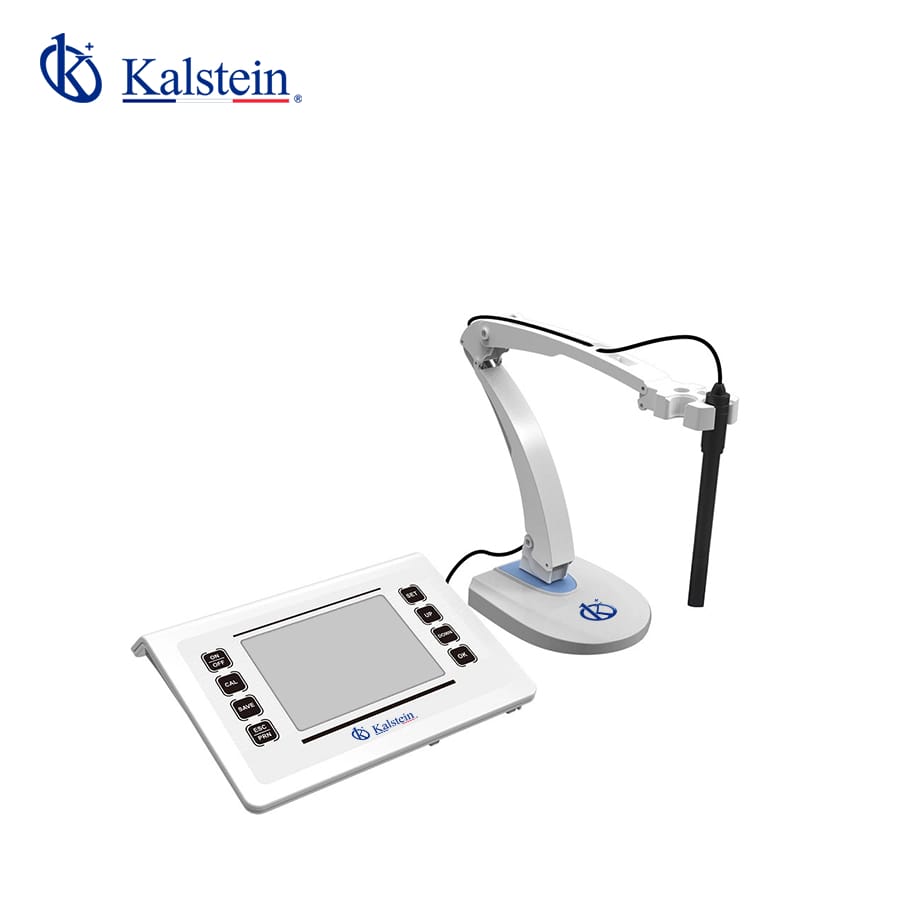
The need for precision and reliability in laboratory measurements cannot be overstated, especially when it comes to parameters like dissolved oxygen (DO). Two noteworthy contenders in the realm of DO meters are the Benchtop DO/BOD/OUR/SOUR Meter YR01831 from Kalstein and the HI5421 Laboratory Research Grade Dissolved Oxygen Benchtop Meter from Hanna Instruments. These tools cater to laboratories demanding high accuracy in various types of oxygen measurement applications, each offering distinct features that cater to specific laboratory needs.
Kalstein's Benchtop DO/BOD/OUR/SOUR Meter YR01831 stands out with its versatility and advanced features designed to meet the diverse requirements of modern laboratories. This instrument not only measures dissolved oxygen (DO), but also caters to biochemical oxygen demand (BOD), oxygen uptake rate (OUR), and specific oxygen uptake rate (SOUR). Its multifaceted functionality makes it an indispensable tool for comprehensive water quality analysis. On the other hand, the Hanna Instruments HI5421 is a research-grade DO meter that promises high accuracy and stability, optimized for laboratory use. While both instruments aim to provide reliable data, distinctive features set them apart, making each uniquely suited to particular applications.
| Feature | Kalstein YR01831 | Hanna Instruments HI5421 |
|---|---|---|
| Measurement | DO, BOD, OUR, SOUR | DO |
| Resolution and Accuracy | High | Research-grade accuracy |
| User Interface | Intuitive with color touchscreen | Clear LCD display |
| Price | Automatically available on quotation | Priced separately |
| Connectivity | USB and optional Bluetooth | USB |
How They Work
The Kalstein Benchtop Meter operates through advanced electrochemical and optical sensors, offering flexible methods of detecting DO along with BOD, OUR, and SOUR. Its advanced calibration and temperature compensation features ensure that measurements are both accurate and reliable. Hanna Instruments' HI5421 uses a polarographic method in measuring dissolved oxygen, providing high precision results suitable for rigorous laboratory environments.
What They Are Used For
Both devices serve key functions in water quality analysis, environmental monitoring, and research. The Kalstein YR01831’s multifunctionality extends it also to applications involving BOD testing which is crucial for assessing waste treatment processes. Hanna’s HI5421, while primarily focused on DO measurement, caters to high precision applications necessary in controlled lab conditions.
Types
There are several types of dissolved oxygen meters, including portable, benchtop, and in-line meters, each serving different roles based on the specificity and location of their intended use. Kalstein and Hanna both supply benchtop models, optimally designed for static laboratory conditions requiring consistent and repetitive testing.
Market Pricing
The market for benchtop dissolved oxygen meters features a wide range of prices, generally influenced by the technology and capabilities of each model. Kalstein offers competitive pricing for the YR01831 through their Kalstein Plus platform, ensuring buyers can acquire quotes promptly, while Hanna instruments generally entail separate pricing often reflective of their research-grade precision.
Frequently Asked Questions
What is BOD testing?
BOD or Biochemical Oxygen Demand testing determines the amount of oxygen microorganisms will consume while decomposing organic matter in water.
Is the Kalstein model suitable for field use?
The Kalstein YR01831 is designed for benchtop use in laboratories but offers features that simplify sample analysis from field-collected samples.
Why choose a benchtop model over a portable one?
Benchtop models typically offer higher precision, making them ideal for laboratories requiring consistent and accurate results.
Advantages and Disadvantages
Kalstein YR01831 Advantages: Versatile measurement capabilities, intuitive touch interface, connectivity options, competitive pricing through Kalstein Plus.
Kalstein YR01831 Disadvantages: Primarily for lab use; not portable.
Hanna Instruments HI5421 Advantages: Research-grade accuracy, robust calibration options.
Hanna Instruments HI5421 Disadvantages: Primarily focused on DO measurements; pricing varies distinctly.
Field Application
The Kalstein YR01831 excels in providing a comprehensive suite of functionalities that allow scientists and technicians to perform various oxygen-related tests efficiently. Its high accuracy is particularly beneficial in environmental studies and quality control scenarios. Meanwhile, Hanna’s HI5421 serves well in research labs requiring high precision and stability for routine and advanced DO analysis.
Recommendations
For optimal performance, users should conduct regular calibrations as per the manufacturer's instructions, and ensure proper storage of sensors to maintain their longevity. The versatility of the Kalstein YR01831 makes it suitable for a range of applications, and leveraging Kalstein Plus for pricing and purchasing could streamline acquisition. When using Hanna's HI5421, maintaining the cleanliness of the electrode and membrane cap is crucial for ensuring continued accuracy.
If you're seeking a fusion of innovation and quality, you've come to the right place. At Kalstein, we offer the luxury of exploring our exclusive catalog of laboratory equipment. We manufacture each equipment with a level of excellence. Our intuitive and agile online purchasing channels are designed for your convenience, ensuring the most friendly prices. Don't hesitate anymore, we bring science to life; it's time to join our community. https://kalstein.us/product/benchtop-do-bod-our-sour-meter-yr01831/.