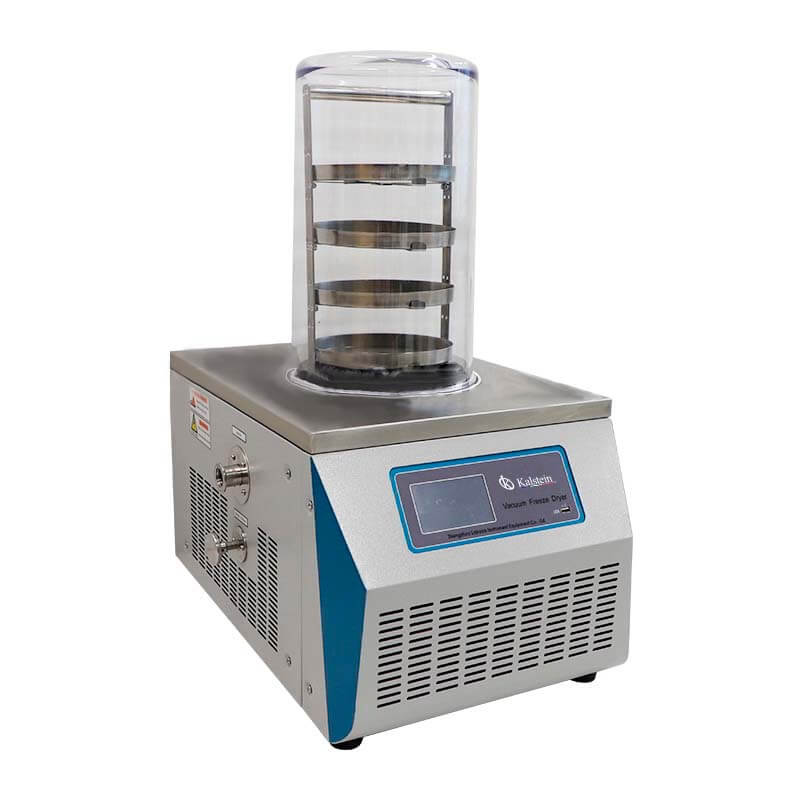
Benchtop Laboratory Freeze Dryer: Practical Step-by-Step Guide in 2026
As laboratory professionals seek to enhance their capabilities, understanding the usage of benchtop laboratory freeze dryers becomes essential. This guide aims to provide a comprehensive overview of what these devices are used for, their evolution, step-by-step usage instructions, best techniques, practical applications, regulations, and maintenance practices for 2026.
What is it used for in 2026
In 2026, benchtop laboratory freeze dryers are primarily utilized for lyophilization, a process of freeze-drying that preserves biological samples, pharmaceuticals, and various food products. This technique allows for long-term storage without compromising the integrity of the substances. Its applications extend across several fields including medicine, pharmacy, biological research, and food industries. The ability to maintain chemical and biological characteristics post-drying makes these devices indispensable for researchers and manufacturers alike.
History and evolution of the technology
The technology of freeze-drying evolved significantly since its inception in the 20th century. Initially developed for the preservation of blood plasma during World War II, it has expanded into various sectors. The advent of more sophisticated vacuum systems and temperature control has enhanced the efficiency and effectiveness of benchtop laboratory freeze dryers. In recent years, advancements in digital interfaces and automation have simplified operation, making these devices more user-friendly while improving results.
How to use it step by step
Using a benchtop laboratory freeze dryer involves several steps to ensure optimal results:
- Preparation: Ensure all materials are clean and free of moisture. Select appropriate vials or trays for the samples.
- Loading the Freeze Dryer: Place samples in the designated chamber, ensuring they are evenly distributed.
- Setting Parameters: Adjust the temperature and vacuum settings according to the specific requirements of the materials being dried.
- Start the Process: Initiate the freeze-drying cycle. Monitor the process through the display interface.
- Completion: Once the cycle is complete, safely remove the dried samples and store them appropriately.
- Cleaning: After use, clean the interior of the unit following the manufacturer's guidelines.
Best techniques and protocols
Implementing best practices when using benchtop laboratory freeze dryers is crucial for achieving desired outcomes. Key techniques include:
- Sample Size: Ensure samples are evenly sized to promote uniform drying.
- Pre-Freeze Samples: Pre-freezing samples prior to loading can enhance the efficiency of the drying process.
- Vacuum Levels: Maintain appropriate vacuum levels throughout the drying process to prevent sublimation issues.
- Temperature Monitoring: Regularly check that temperature settings align with material requirements.
Practical applications by laboratory type
Different laboratory types utilize benchtop laboratory freeze dryers for various specialized applications:
- Biological Labs: For preserving cell cultures and biological samples.
- Pharmaceutical Labs: To create stable drug formulations that can be stored long-term.
- Food Labs: To produce freeze-dried food products maintaining nutritional value.
Regulations, standards and certifications
Adhering to established regulations and standards is fundamental in laboratory practices. In many regions, the usage of freeze dryers must comply with FDA or ISO standards depending on the application. Regular audits and certifications may be required for compliance, particularly in pharmaceuticals and food production.
Comparison with alternative technologies
While benchtop laboratory freeze dryers are prevalent, it is essential to compare them with alternative drying methods:
- Air Drying: Less effective in preserving sensitive biological samples.
- Spray Drying: Faster process, but may alter the chemical composition of the samples.
- Vacuum Drying: Offers some advantages, but typically does not achieve the same level of preservation as freeze drying.
Comparison of available models
| Model | Best for | Key specs | Recommended use case |
|---|---|---|---|
| YR05186 | Large batch processing | 0.12㎡, -55℃, 3-4L/24h | Research institutions requiring high capacity drying. |
| YR05187 | Medium-sized experiments | 0.08㎡, -55℃, 3-4L/24h | Laboratory experiments needing flexibility in batch sizes. |
| YR05188 | Multiple sample processing | 0.12㎡, -55℃, 3-4L/24h | Versatile applications across various fields. |
| YR05189 | Standard laboratory use | 0.08㎡, -55℃, 3-4L/24h | General laboratories needing consistent performance. |
| YR05189-1 | Customized applications | 3-4kg/24h, -55℃ | Research requiring specialized configurations. |
Common mistakes and how to avoid them
Several common mistakes can hinder effective usage of freeze dryers:
- Overloading the Chamber: This can lead to uneven drying. Ensure proper load distribution.
- Improper Vacuum Settings: Not adjusting vacuum levels according to sample requirements can compromise results.
- Neglecting Calibration: Regular calibration is crucial to maintain accuracy and efficiency.
Maintenance, calibration and good practices 2026
Regular maintenance is essential for longevity and performance:
- Routine Cleaning: Clean the interior and exterior as per the manufacturer's guidelines to prevent contamination.
- Calibration Checks: Perform regular checks to ensure temperature and vacuum settings are accurate.
- Documentation: Keep thorough records of maintenance and calibration activities for compliance and reference.
Cost-benefit analysis 2026
Investing in benchtop laboratory freeze dryers can yield significant benefits:
- Cost Savings: Reduced waste from failed experiments due to enhanced preservation techniques.
- Increased Efficiency: Streamlined processes can lead to higher productivity in laboratory settings.
- Return on Investment: The long-term benefits of improved sample longevity justify the initial investment.
Frequently asked questions
What are the best practices for loading samples into the freeze dryer?
The best practices include ensuring that samples are placed evenly in the chamber, avoiding overcrowding, and using appropriate containers that allow for efficient heat transfer.
How often should I calibrate my freeze dryer?
Calibration should be performed regularly, typically every 6 months, or after significant maintenance to ensure accuracy in operational parameters.
Can freeze dryers be used for food preservation?
Yes, freeze dryers are widely used in the food industry for preserving fruits, vegetables, and other food products while maintaining their nutritional value.
What are common signs of malfunction in a freeze dryer?
Common signs include inconsistent drying times, unusual noises, and failure to reach set temperature or vacuum levels.
How can I ensure the longevity of my freeze dryer?
Regular maintenance, cleaning, and proper operation following manufacturer guidelines are essential to ensure the longevity of your freeze dryer.
Are there specific regulations I need to follow when using freeze dryers in pharmaceuticals?
Yes, usage must comply with relevant FDA or ISO standards to ensure safety and efficacy in pharmaceutical applications.
What should I consider when choosing a model of freeze dryer?
Consider factors such as the capacity, temperature range, intended application, and any specific features that may enhance your workflow.
If you are looking for a fusion of innovation and quality, you have come to the right place. At Kalstein, we offer you the luxury of exploring our exclusive catalog of laboratory equipment. We manufacture every device to the highest standards of excellence. Our intuitive and seamless online purchasing channels are designed for your convenience, securing the most competitive prices. Hesitate no longer — we bring science to life, it is time to become part of our community.