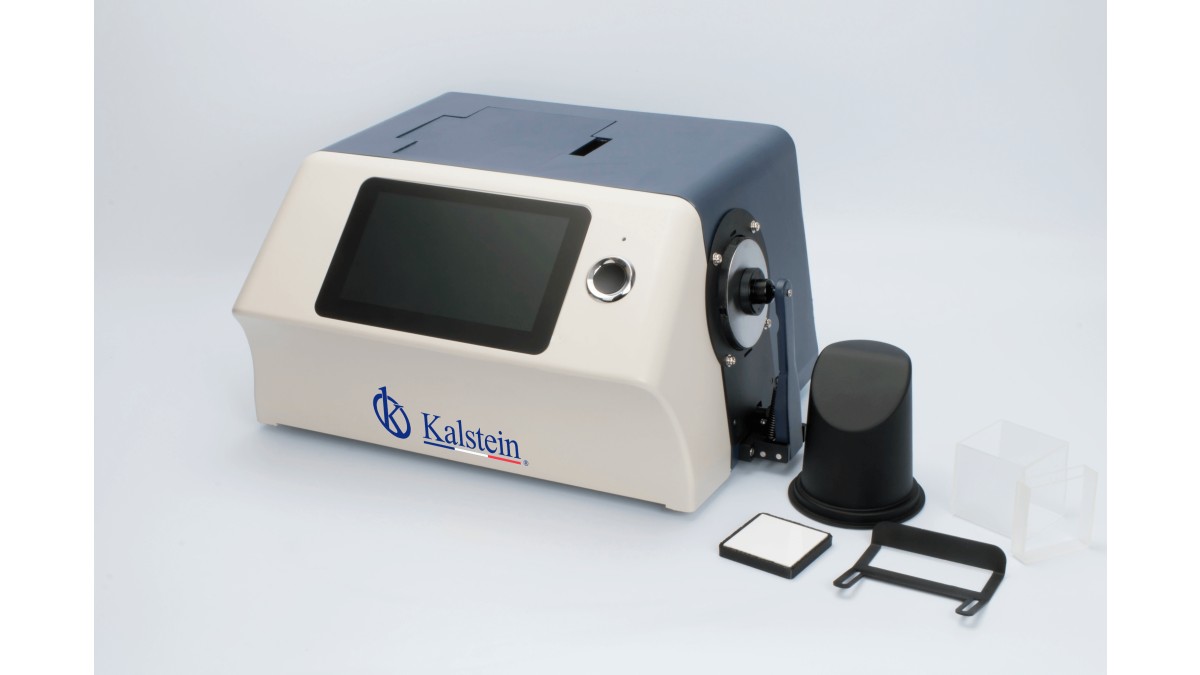
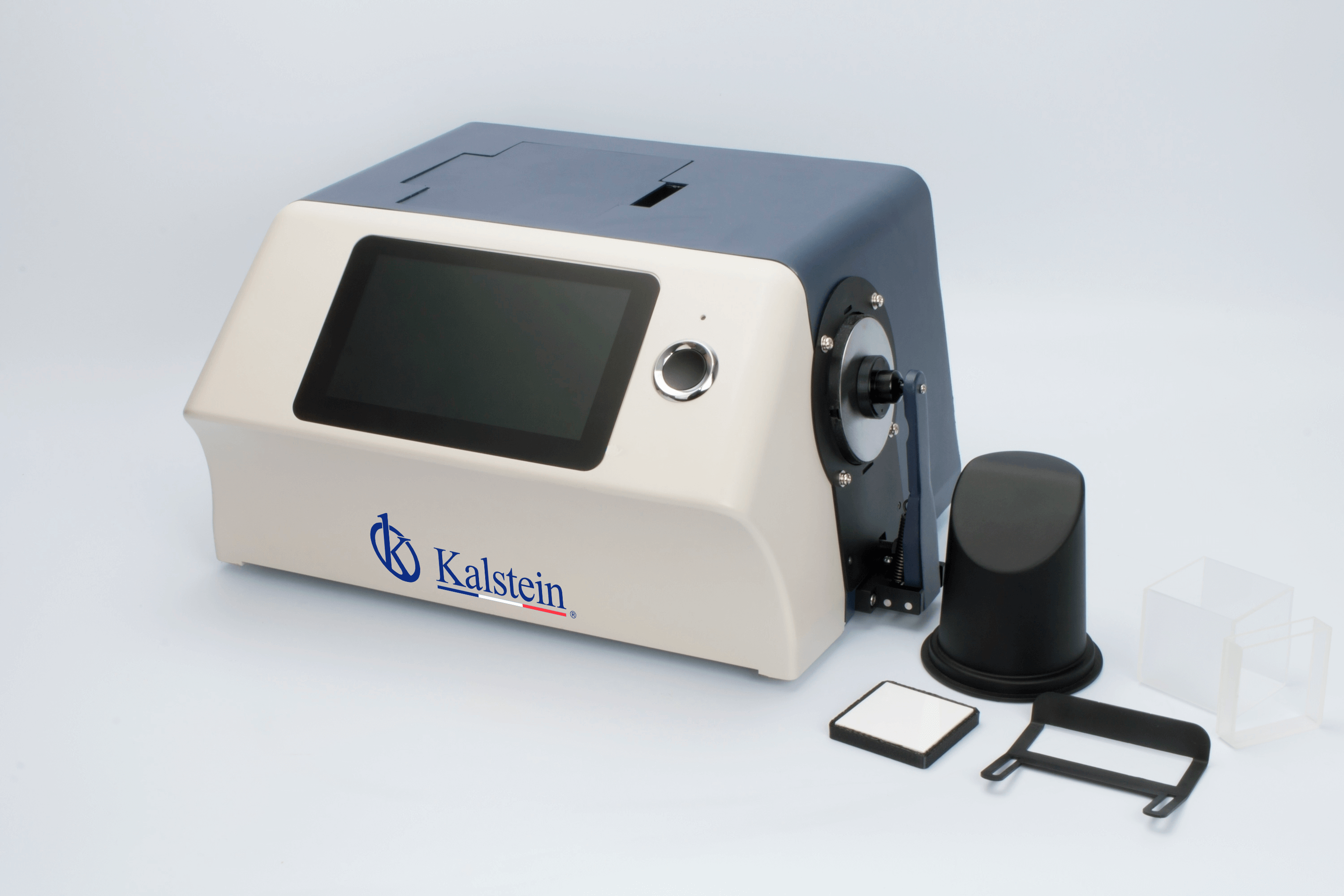
Benchtop Spectrophotometers: Applications in Research, Biotechnology, and Academia 2026
Benchtop spectrophotometers play a crucial role in various laboratory settings, enabling professionals to measure and analyze the properties of light absorbed and transmitted by samples. This article delves into their applications, the evolution of their technology, and best practices for their effective use in 2026.
What is it used for in 2026
In 2026, benchtop spectrophotometers are essential tools used in laboratories for a range of applications, including color measurement, concentration analysis, and quality control in various fields such as pharmaceuticals, food and beverage, environmental testing, and materials science. By measuring the intensity of light at different wavelengths, researchers can gain insights into sample composition and behavior, making these devices invaluable for R&D and quality assurance processes.
History and evolution of the technology
The development of spectrophotometry dates back to the 19th century, with early devices being quite rudimentary and limited in scope. Over the years, technological advancements have led to the creation of sophisticated benchtop models. The introduction of digital displays, computer interfaces, and advanced calibration methods has significantly enhanced measurement accuracy and ease of use, allowing for more complex analyses that were once impractical.
How to use it step by step
Using a benchtop spectrophotometer involves several key steps:
- Preparation: Ensure that the spectrophotometer is calibrated and that the sample is prepared appropriately, with the correct cuvettes or sample holders.
- Power on: Turn on the device and allow it to warm up if required.
- Select mode: Choose the appropriate measurement mode based on the analysis (e.g., transmission, reflectance).
- Input parameters: Enter any necessary parameters such as wavelength range and scan speed.
- Measure: Insert the sample and start the measurement process.
- Analyze data: Once the measurement is complete, analyze the data using the provided software.
- Clean up: Remove the sample, clean the cuvettes, and turn off the device.
Best techniques and protocols
To achieve optimal results with benchtop spectrophotometers, it is essential to follow established techniques and protocols, including:
- Using high-quality cuvettes to minimize interference.
- Calibrating the instrument regularly to ensure accuracy.
- Maintaining a clean optical path by using appropriate cleaning materials.
- Running blank samples to establish baseline measurements.
- Employing standard operating procedures (SOPs) for sample handling and analysis.
Practical applications by laboratory type
Different laboratory environments utilize benchtop spectrophotometers for various applications:
Research Laboratories
Used for analyzing chemical compounds, studying reaction kinetics, and conducting quality assessments.
Biotechnology Labs
Facilitates DNA, RNA, and protein quantification, aiding in experiments and product development.
Food and Beverage Testing
Used for quality control in color measurement of products, ensuring compliance with regulatory standards.
Environmental Testing
Analyzes water quality and pollutant levels, supporting compliance with health regulations.
Regulations, standards and certifications
Benchtop spectrophotometers must comply with various international standards and regulations, including:
- ISO 9001 for quality management systems.
- ASTM standards for specific applications in material testing.
- FDA guidelines for food and pharmaceutical applications.
Comparison with alternative technologies
While benchtop spectrophotometers are widely used, alternative technologies such as colorimeters and high-performance liquid chromatography (HPLC) exist. Colorimeters are simpler and generally less expensive but offer limited functionality compared to spectrophotometers. HPLC provides more detailed information about complex mixtures but requires more time and technical expertise.
Comparison of available models
| Model | Best for | Key specs | Recommended use case |
|---|---|---|---|
| YR05474 | Color analysis in R&D and laboratory environments | Touch screen, pulsed xenon lamp, d/8 reflectance | Ideal for precise color measurement |
| YR05475 | Stable color measurement | Touch screen, pulsed xenon lamp, d/8 reflectance | Best for laboratory testing and analysis |
| YR05476 | Accurate transmission and reflection analysis | Touch screen, d/8 reflectance, UV capabilities | Effective for quality control in various industries |
| YR05477 | Assessment of color and appearance | Touch screen, d/8 reflectance, UV capabilities | Excellent for transparent and translucent samples |
| YR05478 | Color difference analysis | Touch screen, d/8 reflectance, color indices | Utilized in plastic, paint, and textile industries |
| YR05482 | Non-contact color measurement | 45/0 geometry, no contact measurement | Ideal for liquids, sauces, and powders |
Common mistakes and how to avoid them
Laboratory professionals often make mistakes that compromise the accuracy of their results. To avoid common pitfalls, consider the following:
- Neglecting to calibrate the device regularly.
- Using incorrect cuvettes or not cleaning them properly.
- Failing to run blank tests to establish baselines.
- Overlooking the importance of environmental conditions, such as temperature and lighting.
Maintenance, calibration and good practices 2026
To ensure longevity and accuracy, routine maintenance of benchtop spectrophotometers is crucial. This includes:
- Regular cleaning of optical components.
- Calibration at specified intervals using standard materials.
- Documentation of maintenance and calibration records for compliance purposes.
Cost-benefit analysis 2026
Investing in a benchtop spectrophotometer can yield significant returns in terms of efficiency and accuracy in laboratory analysis. While initial costs may vary depending on the model, the long-term benefits of reliable data, enhanced productivity, and improved quality control make them a valuable asset for any laboratory.
Frequently asked questions
What should I consider when choosing a benchtop spectrophotometer?
When selecting a benchtop spectrophotometer, consider factors such as measurement range, accuracy, ease of use, software capabilities, and specific applications that align with your laboratory's needs.
How do I prepare samples for measurement?
Samples should be clean, free of bubbles, and contained in appropriate cuvettes. Ensure that the cuvettes are compatible with the spectrophotometer and that the path length is standardized.
Can I use the spectrophotometer for both solid and liquid samples?
Yes, most benchtop spectrophotometers are versatile and can measure both solid and liquid samples. However, specific configurations may be required depending on the sample type.
How often should I calibrate the spectrophotometer?
Calibration frequency depends on usage, but it is generally recommended to calibrate the device at least once a month and before any critical measurements.
What are common troubleshooting tips for spectrophotometers?
Common troubleshooting tips include checking for proper calibration, ensuring cuvettes are clean, verifying sample placement, and updating software if applicable.
What maintenance is required for long-term use?
Regular cleaning of optical components, periodic calibration, and routine checks for software updates are essential for maintaining performance over time.
Where can I request a quote for a benchtop spectrophotometer?
You can request a quote through our dedicated channels to find the best option for your laboratory needs.
If you are looking for a fusion of innovation and quality, you have come to the right place. At Kalstein, we offer you the luxury of exploring our exclusive catalog of laboratory equipment. We manufacture every device to the highest standards of excellence. Our intuitive and seamless online purchasing channels are designed for your convenience, securing the most competitive prices. Hesitate no longer — we bring science to life, it is time to become part of our community.