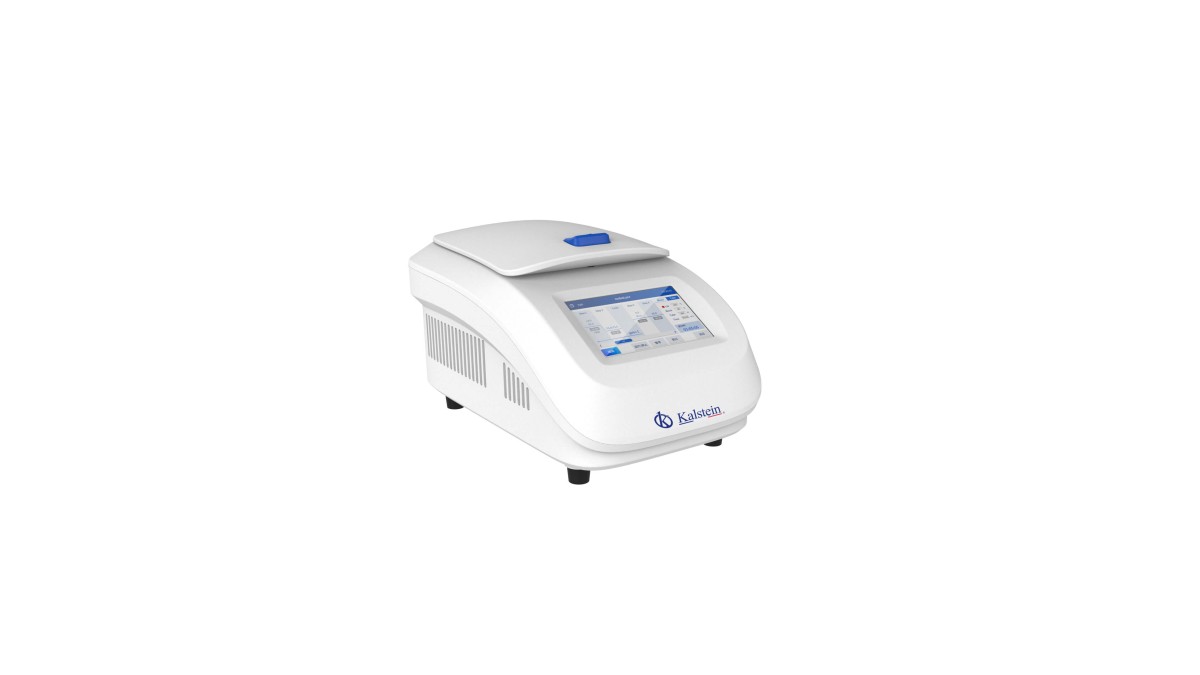
Biochemical BOD Incubators: Practical Applications and Techniques 2026
What is it used for in 2026
Biochemical BOD incubators are essential tools in laboratories, particularly for environmental testing and clinical diagnostics. By maintaining specific temperature conditions, these incubators facilitate biochemical reactions, support microorganism growth, and are crucial for BOD (Biochemical Oxygen Demand) testing. In 2026, their applications have expanded due to advancements in technology, allowing for enhanced precision and efficiency in various laboratory workflows.
History and evolution of the technology
The development of incubators has evolved significantly from simple heating devices to sophisticated systems incorporating digital controls and advanced temperature regulation technologies. Initially, laboratory incubators were merely heated boxes, but modern designs, such as those in the Biochemical BOD category, now include features like Peltier-based temperature control for greater accuracy and efficiency.
How to use it step by step
Using a Biochemical BOD incubator involves several key steps:
- Preparation: Ensure the incubator is clean and free from contaminants. Check that all necessary components are available.
- Setting the Temperature: Adjust the incubator settings according to the requirements of the specific experiment or sample type.
- Loading Samples: Carefully place the samples within the incubator, ensuring they are properly spaced for even temperature distribution.
- Tuning Controls: Engage the timer and monitor the incubator settings continuously to ensure consistency throughout the experiment.
- Monitoring: Periodically check on the incubator and samples to ensure optimal conditions are maintained.
- Data Collection: After the incubation period, collect data from your samples and analyze accordingly.
Best techniques and protocols
When working with Biochemical BOD incubators, the following techniques and protocols are recommended:
- Use of calibrated probes to ensure accurate temperature readings.
- Regular monitoring of sample conditions to prevent overheating or underheating.
- Implementation of a strict cleaning protocol to avoid cross-contamination.
- Utilizing multiple incubation cycles for different sample sets, where necessary.
Practical applications by laboratory type
Depending on the laboratory type, Biochemical BOD incubators serve various functions:
- Clinical Laboratories: Used for culturing microorganisms and conducting biochemical assays.
- Environmental Laboratories: Essential for testing water quality and analyzing organic matter through BOD measurement.
- Research Institutions: Frequently utilized in studies involving microbiology and biochemical research.
Regulations, standards and certifications
Biochemical BOD incubators must comply with various regulations and standards, including ISO certifications, and local laboratory safety guidelines. These ensure that the equipment meets quality and safety criteria necessary for laboratory use.
Comparison with alternative technologies
Compared to traditional incubators, Biochemical BOD incubators offer enhanced temperature control, energy efficiency, and versatility in experimental applications. They outperform older models in precision and ease of use, making them a preferred choice in modern laboratories.
Comparison of available models
| Model | Best for | Key specs | Recommended use case |
|---|---|---|---|
| YR05889 | Temperature-sensitive assays | AC100~240V, R.T. -25℃ ~100℃, Accuracy ±0.5℃ | DNA amplification and protein denaturation |
| YR05890 | Temperature cycling | AC100~240V, R.T. +5℃ ~105℃, Power 250W | Sample preservation and reaction |
| YR05891 | Compact applications | 12V DC, Range RT+5℃ ~100℃, Max Power 48W | Small lab setups and quick inspections |
| YR05892 | Flexible small-scale usage | 12V DC, Range RT+5℃ ~100℃, Max Power 60W | Multipurpose small lab tasks |
| YR05893 | Rapid testing kits | 12V DC, Range RT+5℃ ~100℃, Max Power 120W | Emergency testing and quick results |
| YR05894 | Broad applications | AC100~240V, Range RT+5℃ ~105℃, Power 150W | General laboratory experiments and studies |
Common mistakes and how to avoid them
Common mistakes in using Biochemical BOD incubators include:
- Improper calibration: Ensure regular calibration of the temperature controls to avoid inaccurate readings.
- Overloading the incubator: Adhere to the recommended capacity to maintain air circulation and temperature uniformity.
- Lack of maintenance: Regularly clean and inspect the incubator to prevent contamination and ensure longevity.
Maintenance, calibration and good practices 2026
Maintaining a Biochemical BOD incubator involves:
- Regular cleaning of surfaces and components to prevent contamination.
- Frequent calibration checks to ensure the accuracy of temperature settings.
- Documenting usage and maintenance schedules to identify patterns and potential issues.
Cost-benefit analysis 2026
Investing in a Biochemical BOD incubator can enhance laboratory productivity by providing reliable results and reducing the need for repeated experiments. While initial costs may be significant, the long-term benefits of accuracy, efficiency, and versatility justify the investment.
Frequently asked questions
How do I choose the right Biochemical BOD incubator for my laboratory?
When selecting a Biochemical BOD incubator, consider factors such as the types of samples you will be incubating, required temperature ranges, and the size of your laboratory space. Evaluate the model specifications to ensure they meet your specific needs.
What are the best practices for loading samples into an incubator?
Ensure that samples are evenly spaced and not overcrowded within the incubator. This allows for better air circulation and more consistent temperature distribution across all samples.
Can these incubators be used for non-biological applications?
While Biochemical BOD incubators are primarily designed for biological samples, they can be adapted for other applications that require precise temperature control, such as certain chemical reactions. Always verify compatibility before use.
How often should I clean my incubator?
It is recommended to clean the incubator after each use, especially if working with biological samples. Regular cleaning helps to prevent contamination and ensures the integrity of future experiments.
What is the importance of calibration in incubators?
Calibration is crucial for ensuring that the incubator maintains the desired temperature accurately. This helps to prevent experimental errors and ensures reliable results.
Are there any specific certifications I need to be aware of?
Yes, check for ISO certifications and compliance with local safety regulations, as these ensure that the incubator meets the necessary quality and safety standards required for laboratory equipment.
How can I request a quote for a Biochemical BOD incubator?
You can request a quote by contacting our sales team or visiting our inquiry page. We will assist you in finding the right incubator for your laboratory needs.
If you are looking for a fusion of innovation and quality, you have come to the right place. At Kalstein, we offer you the luxury of exploring our exclusive catalog of laboratory equipment. We manufacture every device to the highest standards of excellence. Our intuitive and seamless online purchasing channels are designed for your convenience, securing the most competitive prices. Hesitate no longer — we bring science to life, it is time to become part of our community.