Biosafety Cabinets (Class II): Applications and Best Practices 2026
What is it used for in 2026
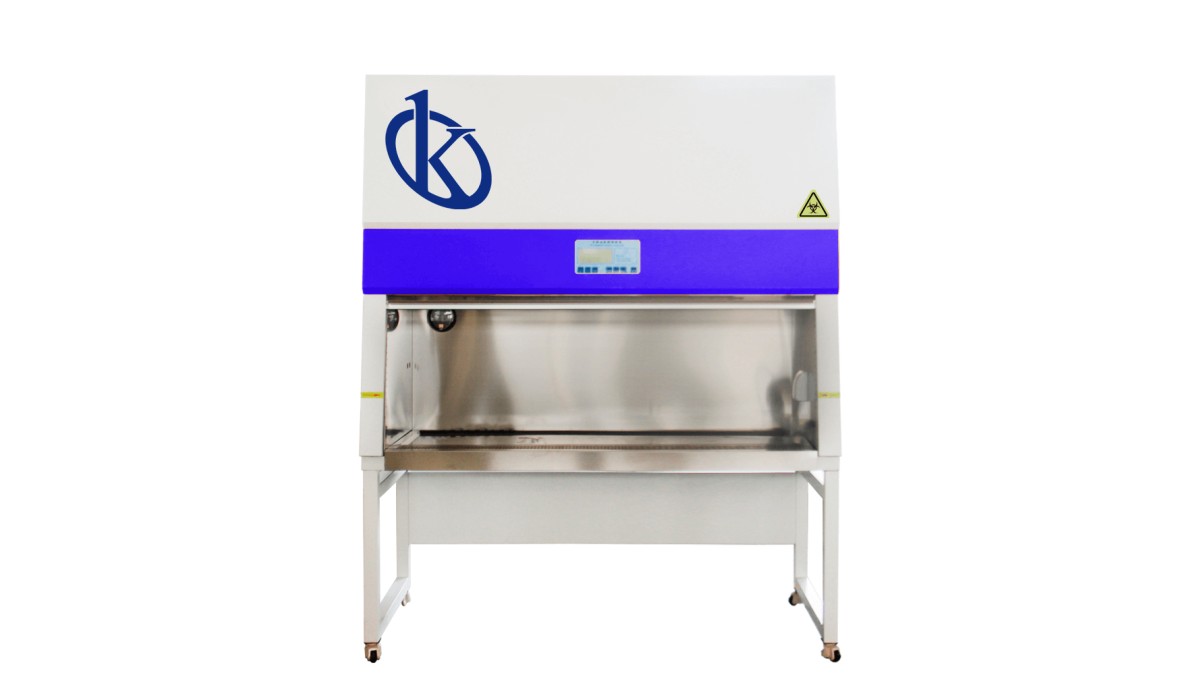
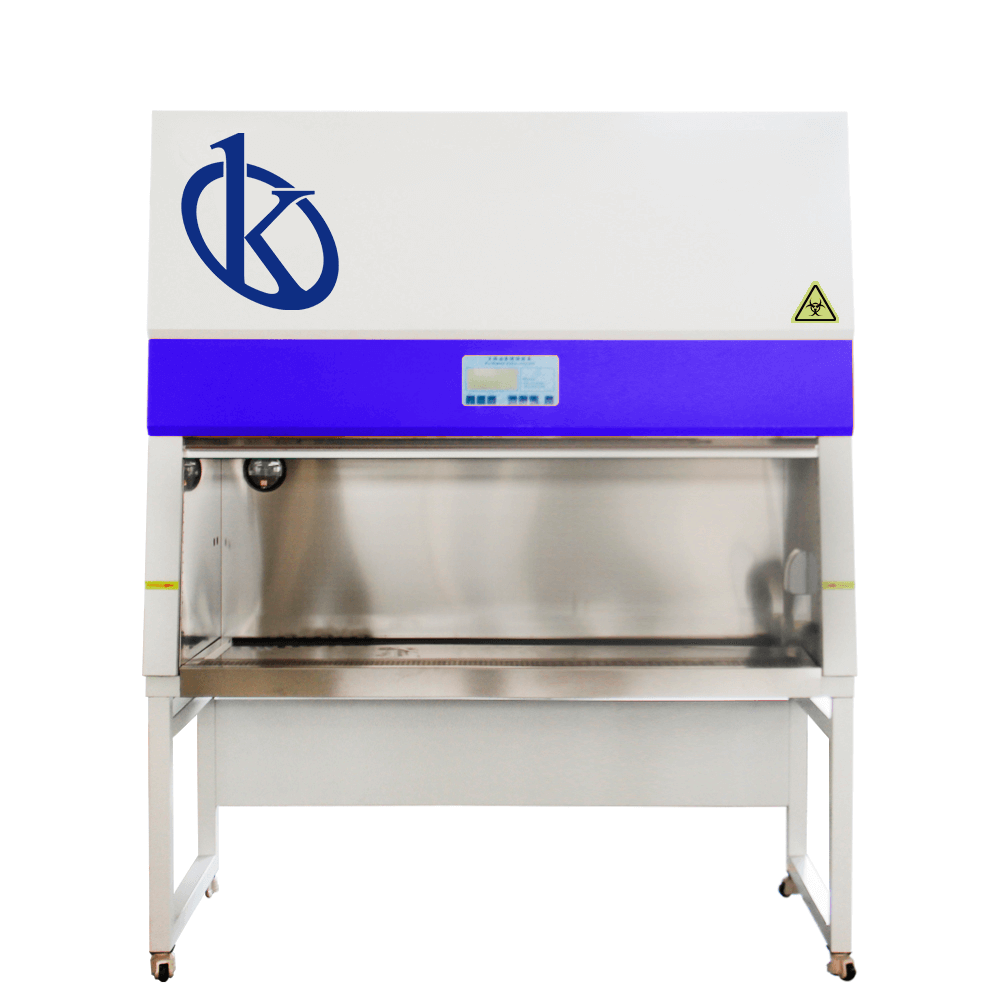
Biosafety cabinets (Class II) are essential equipment in laboratories that deal with potentially hazardous biological materials. In 2026, these cabinets are primarily used for work involving pathogens and other biological agents that pose a risk to researchers. They provide a sterile work environment, protecting both the user and the surrounding environment from contamination. This includes applications in clinical and pharmaceutical labs, biotechnological research, and academic institutions.
History and evolution of the technology
The concept of biosafety cabinets began in the 1960s when the need for clean and safe working environments in labs became apparent. The development of Class II biosafety cabinets represented a significant advancement, featuring a combination of containment and airflow management. Over the years, innovations have included HEPA filters, improved airflow dynamics, and enhanced user interfaces, making these cabinets more effective and user-friendly. By 2026, modern biosafety cabinets incorporate advanced technology, such as digital controls and monitoring systems to ensure optimal performance.
How to use it step by step
Using a biosafety cabinet involves several critical steps to ensure safety and effectiveness:
- Preparation: Ensure the cabinet is clean and that you have all necessary materials on hand.
- Turning on the Cabinet: Switch on the cabinet and allow it to run for at least 10-15 minutes before starting work to establish airflow.
- Check the Airflow: Verify that the airflow is within the required parameters using the airflow indicator (if available).
- Organize Materials: Arrange your materials inside the cabinet, avoiding overcrowding to maintain laminar flow.
- Perform Work: Conduct your experiments while adhering to good laboratory practices, ensuring to avoid any movements that may disrupt airflow.
- Clean Up: After completing your work, clean the surfaces of the cabinet with an appropriate disinfectant.
- Turn Off the Cabinet: Follow manufacturer guidelines for shutting down the cabinet.
Best techniques and protocols
To maximize the effectiveness of biosafety cabinets, follow these best techniques and protocols:
- Always work at least 6 inches inside the cabinet to ensure you are within the sterile zone.
- Minimize the number of materials and personnel inside the cabinet during operations.
- Use disinfectants approved for biosafety cabinets to clean surfaces.
- Conduct regular maintenance and checks to ensure that all components, especially filters, are functioning correctly.
- Document any incidents or operational irregularities to address them promptly.
Practical applications by laboratory type
The use of biosafety cabinets varies across different laboratory types:
- Clinical Laboratories: Used for handling samples that may contain infectious agents.
- Pharmaceutical Laboratories: Essential for the development and testing of drugs.
- Biotechnology Labs: Handle genetically modified organisms and other sensitive materials.
- Academic Research: Utilized in experiments involving biological agents for educational purposes.
Regulations, standards and certifications
In 2026, biosafety cabinets must comply with various regulations and standards to ensure safety:
- US Federal Standard 209E for cleanroom requirements.
- ISO 14644 for cleanroom classification.
- NIH Guidelines for research involving recombinant DNA.
- Local health and safety regulations governing laboratory practices.
Comparison with alternative technologies
While biosafety cabinets are a primary choice for biological safety, alternatives include:
- Fume Hoods: Designed primarily for chemical safety, they do not provide the same level of protection from biological hazards.
- Laminar Flow Cabinets: Offer a sterile working environment but do not provide containment for hazardous materials.
- Glove Boxes: Provide complete containment but are less practical for procedures requiring easy access and visibility.
Comparison of available models
| Model | Best for | Key specs | Recommended use case |
|---|---|---|---|
| YR05704 | General usage in research labs | 100% Exhaust, Clean Class 100 | Handling non-volatile biological materials |
| YR05705 | Clinical sample handling | 100% Exhaust, Low noise levels | Testing and analysis of clinical specimens |
| YR05706 | Pharmaceutical development | 100% Exhaust, High airflow stability | Drug formulation and development processes |
| YR0090-A | Academic research | Class 100, Compact design | Teaching and student experiments |
| YR05270 | High containment processes | ISO Class 5, HEPA filter | Working with high-risk biological pathogens |
| YR05271 | Multi-user environments | ISO Class 5, Advanced control | Usage in shared laboratory spaces |
Common mistakes and how to avoid them
Here are some common mistakes made while using biosafety cabinets and how to avoid them:
- Overloading the Cabinet: Avoid placing too many items inside which can disrupt airflow.
- Neglecting Maintenance: Regularly check and replace filters as needed to maintain effectiveness.
- Inadequate Use of Sterilization Procedures: Always disinfect all surfaces after use.
- Ignoring Airflow Indicators: Regularly monitor airflow to ensure the cabinet is functioning correctly.
Maintenance, calibration and good practices 2026
To ensure optimal performance of biosafety cabinets in 2026, follow these maintenance and calibration protocols:
- Schedule regular inspections and maintenance checks at least once every six months.
- Calibrate airflow sensors and HEPA filters as per the manufacturer’s recommendations.
- Train all users on proper techniques and safety protocols for working within the cabinet.
- Keep a detailed log of maintenance activities and any repairs performed.
Cost-benefit analysis 2026
When considering the investment in a biosafety cabinet, evaluate the following:
- Initial Costs: The purchase price varies by model and features.
- Long-term Savings: Effective biosafety cabinets can prevent costly contamination incidents and protect personnel health.
- Compliance Necessities: Investing in a cabinet ensures compliance with local regulations, avoiding fines.
- Enhanced Productivity: A secure work environment contributes to improved lab efficiency and outcomes.
Frequently asked questions
What should I consider when choosing a biosafety cabinet?
Consider factors such as the type of work being performed, the level of biological hazard, size requirements, and if the cabinet conforms to relevant safety standards.
How often should I perform maintenance on my biosafety cabinet?
It is recommended to perform maintenance checks every six months, or more frequently if the cabinet is in constant use or if it shows signs of malfunction.
Can I use a biosafety cabinet for chemical work?
Biosafety cabinets are specifically designed for biological materials. For chemical work, consider using a fume hood which provides better protection against chemical hazards.
What is the expected lifespan of a biosafety cabinet?
With proper maintenance, a biosafety cabinet can last 10-15 years, although this may vary based on usage and environmental conditions.
How can I ensure the cabinet is functioning correctly?
Regularly check the airflow indicator and perform maintenance as per the manufacturer’s guidelines to ensure optimal performance.
What are the consequences of not using a biosafety cabinet when required?
Failure to use a biosafety cabinet can lead to contamination of samples, exposure to hazardous materials, and potential legal and health ramifications.
How can I request a quote for a biosafety cabinet?
You can easily request a quote for a biosafety cabinet by contacting our sales team or visiting our product catalog online.
If you are looking for a fusion of innovation and quality, you have come to the right place. At Kalstein, we offer you the luxury of exploring our exclusive catalog of laboratory equipment. We manufacture every device to the highest standards of excellence. Our intuitive and seamless online purchasing channels are designed for your convenience, securing the most competitive prices. Hesitate no longer — we bring science to life, it is time to become part of our community.