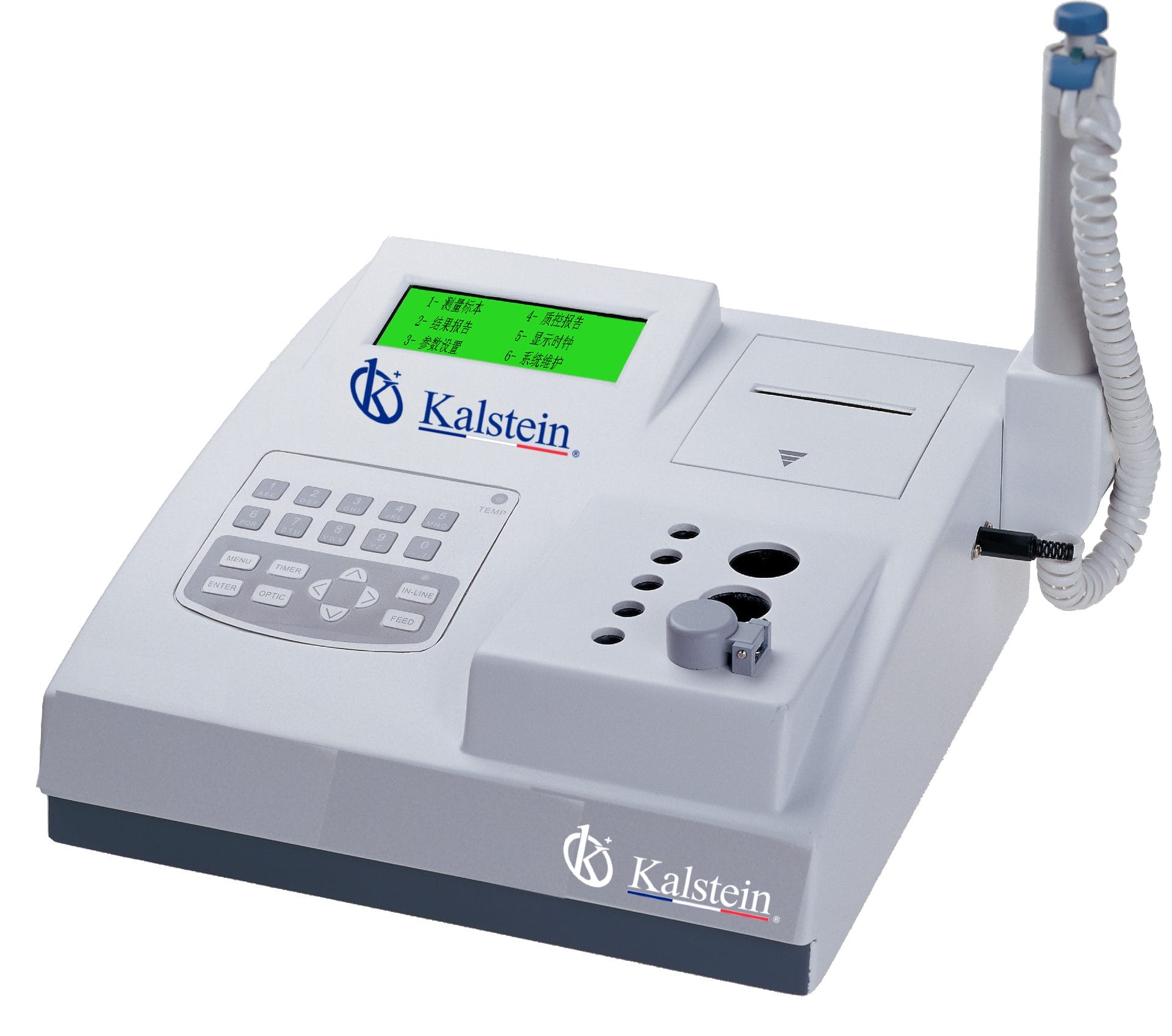
Ensuring Biosafety and Safe Operator Handling in Coagulation Analyzers
In modern laboratories, biosafety and the safe handling of operators are paramount, particularly when working with coagulation analyzers. These devices play a critical role in diagnosing blood coagulation disorders, thus necessitating strict adherence to safety protocols and guidelines. The importance of safe operation is further underscored by the potential risks associated with handling biological samples and reagents. This article delves into the essential biosafety protocols and safe operator handling methods tailored for coagulation analyzers.
Understanding Biosafety Levels and Their Relevance
Biosafety levels (BSL) are crucial classifications that dictate the necessary precautions for handling pathogens and biological materials. There are four biosafety levels, with BSL-1 being the lowest and BSL-4 the highest. In a laboratory handling coagulation analyzers, understanding the specific BSL relevant to the samples being processed is essential for ensuring operator safety. Typically, BSL-2 is recommended for handling human blood samples, as it involves moderate hazards.
Personal Protective Equipment (PPE) for Laboratory Operators
Equipping laboratory personnel with appropriate personal protective equipment (PPE) is a cornerstone of biosafety protocols. For operators handling coagulation analyzers, the following PPE items are vital:
- Lab coats or gowns to protect skin and clothing.
- Gloves that are resistant to punctures and chemical exposure.
- Safety goggles to shield the eyes from splashes.
- Face shields if there is a risk of aerosol generation.
- Proper footwear to ensure safety in the lab environment.
Effective use of PPE significantly reduces the risk of exposure to hazardous materials during testing and analysis.
Aerosol Containment Protocols
Coagulation analyzers can generate aerosols during sample processing, which may pose a risk to laboratory staff. Implementing aerosol containment protocols is essential to minimize exposure. The following strategies should be adopted:
- Use of biosafety cabinets or fume hoods during sample handling.
- Sealing sample containers appropriately to prevent leaks and spills.
- Employing centrifuges with aerosol-tight lids to minimize airborne transmission.
These measures not only protect staff but also ensure the integrity of the samples being tested.
Decontamination Procedures for Workspaces
Establishing a robust decontamination protocol is critical for maintaining a safe laboratory environment. After using coagulation analyzers, surfaces should be cleaned and disinfected to remove any residual biological materials. Recommended decontamination steps include:
- Using EPA-approved disinfectants that are effective against bloodborne pathogens.
- Training personnel on proper cleaning techniques and frequencies for high-touch surfaces.
- Implementing a routine inspection schedule to ensure compliance with cleaning protocols.
By adhering to these procedures, laboratories can significantly mitigate risks associated with biological hazards.
Risk Assessment and Management
A comprehensive risk assessment is essential to identify potential hazards associated with coagulation analyzers. This involves:
- Identifying the types of samples handled and their associated risks.
- Evaluating the likelihood and consequences of exposure incidents.
- Developing action plans to address identified risks, including emergency response protocols.
Regular reviews of risk assessments help laboratories stay compliant with evolving regulations and safety standards.
Regulatory Compliance in Laboratory Operations
Compliance with regulatory standards such as ISO 15189 and OSHA regulations is vital. Laboratories must maintain documentation demonstrating adherence to biosafety practices. This includes:
- Documenting training sessions on safety protocols for all personnel.
- Keeping records of equipment maintenance and decontamination efforts.
- Regular audits to ensure compliance with established safety standards.
Such documentation not only protects laboratory staff but also enhances the laboratory's credibility and operational efficiency.
Comparison of Available Models
| Model | Weight (kg) | Dimensions (cm) | Price (USD) | Best for |
|---|---|---|---|---|
| YR05117 | 5 | N/A | 750.00 | Routine testing with high accuracy |
| YR05118 | 5 | N/A | 600.00 | Versatile testing in various settings |
| YR06083 | 110 | N/A | 13000.00 | High-throughput laboratories |
| YR06082 | 53 | N/A | 6800.00 | Automated testing and analysis |
Common Mistakes and How to Avoid Them
Laboratories often encounter various challenges in biosafety and handling protocols. Common mistakes include:
- Inadequate training of personnel on biosafety protocols.
- Failure to document cleaning and decontamination processes.
- Neglecting to assess risks associated with new equipment or procedures.
To mitigate these issues, laboratories should prioritize continuous training, regular audits, and proactive risk management strategies.
Frequently Asked Questions
What biosafety level is required for handling coagulation analyzers?
When handling coagulation analyzers, a minimum of BSL-2 is typically required, especially for human blood samples. This level emphasizes the use of personal protective equipment and safe handling protocols to mitigate risks.
How can I improve operator safety when using coagulation analyzers?
Improving operator safety involves implementing strict PPE protocols, utilizing biosafety cabinets, and conducting regular safety training sessions for staff. Utilizing models like YR06083 can also enhance automation and safety features.
What are the key decontamination protocols for coagulation analyzers?
Key decontamination protocols include using EPA-approved disinfectants, ensuring proper cleaning techniques, and maintaining a routine cleaning schedule for all equipment and surfaces to minimize biological hazards.
Why is risk assessment important in laboratory settings?
Risk assessment is crucial as it identifies potential hazards associated with coagulation analyzers, allowing laboratories to develop effective safety protocols and emergency response plans to protect personnel.
What documentation is required for regulatory compliance in labs?
Laboratories must maintain documentation that includes training records, equipment maintenance logs, and decontamination efforts to demonstrate compliance with standards like ISO 15189 and OSHA regulations.
How can I establish effective biosafety protocols for coagulation analyzers?
Establishing effective biosafety protocols involves assessing risks, providing comprehensive training for personnel, documenting all procedures, and regularly reviewing protocols to ensure compliance with safety standards.
What are the best practices for using personal protective equipment in labs?
Best practices include ensuring PPE is properly fitted, using the correct type of gloves, and training operators on when and how to use PPE effectively to minimize exposure to hazardous materials.
How can automation improve safety in coagulation analysis?
Automation, as seen in models like YR06083, reduces manual handling of samples, minimizes operator errors, and enhances the overall safety of laboratory operations by limiting exposure to biological hazards.
If you are looking for a fusion of innovation and quality, you have come to the right place. At Kalstein, we offer you the luxury of exploring our exclusive catalog of laboratory equipment. We manufacture every device to the highest standards of excellence. Our intuitive and seamless online purchasing channels are designed for your convenience, securing the most competitive prices. Hesitate no longer — we bring science to life, it is time to become part of our community.