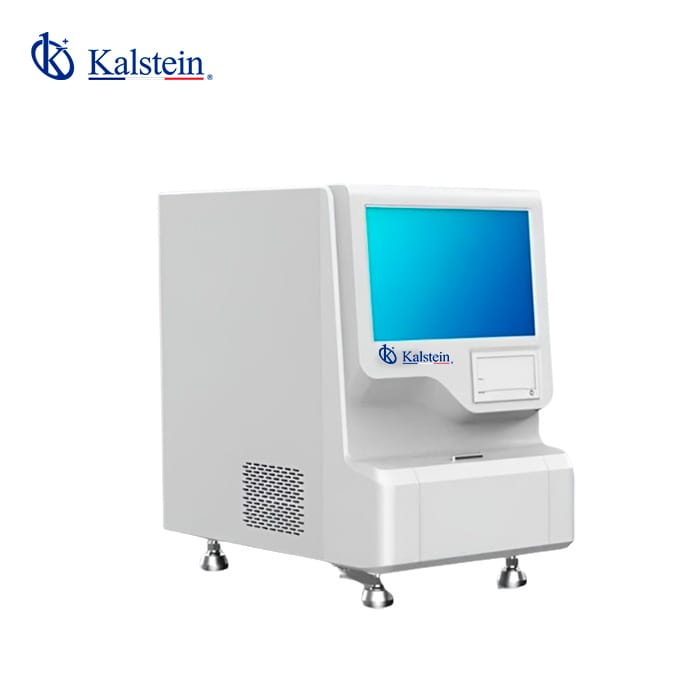
Biosafety Protocols and Safe Operator Management for Chemiluminescence Immunoassay Analyzers
In the realm of clinical diagnostics, ensuring the safety of laboratory personnel is paramount. With the increasing adoption of Chemiluminescence Immunoassay Analyzers in various laboratory settings, it is essential to establish robust biosafety protocols to protect operators and ensure compliance with regulatory standards. This article delves into specific biosafety measures and operator management practices tailored for the Chemiluminescence Immunoassay Analyzer family, focusing on models such as YR06387, YR06388, YR06389, YR06390, and YR06710.
Understanding the Need for Biosafety Protocols
Biosafety protocols are critical in laboratory environments that utilize Chemiluminescence Immunoassay Analyzers. These devices handle various biological samples, including human plasma, serum, and urine, which may carry infectious agents. Consequently, adhering to biosafety standards not only protects laboratory personnel but also enhances the reliability of test results. The adoption of effective biosafety protocols can significantly reduce the risk of exposure to biohazards, ensuring a safe working environment.
Biosafety Levels and Compliance Requirements
In laboratories utilizing Chemiluminescence Immunoassay Analyzers, the relevant biosafety levels (BSLs) are crucial. Typically, BSL-2 is required due to the handling of human-derived samples. Labs must comply with regulations outlined in standards such as ISO 15189 and relevant local guidelines. These standards emphasize the need for proper laboratory design, equipment, and procedures that minimize the risk of exposure to hazardous materials.
Key Biosafety Protocols for Operators
Implementing the following biosafety protocols is essential when working with Chemiluminescence Immunoassay Analyzers:
- Personal Protective Equipment (PPE): Operators must wear appropriate PPE, including gloves, lab coats, and eye protection, to prevent contamination.
- Aerosol Containment: Utilizing biosafety cabinets can help reduce aerosol generation during sample processing.
- Decontamination Protocols: Regular cleaning and decontamination of surfaces and equipment is necessary to mitigate contamination risks.
- Risk Assessment: Conducting risk assessments regularly ensures that all potential hazards are identified and mitigated.
Safe Handling of Sample Materials
Operators must follow strict protocols for handling biological samples in Chemiluminescence Immunoassay Analyzers. Samples like whole blood, serum, or plasma should be treated as potentially infectious. Proper labeling, secure storage, and disposal methods should be implemented to ensure safety.
Emergency Procedures and Spill Management
In the event of a spill or exposure, having clear emergency procedures in place is crucial. Operators should be trained on how to respond effectively, including the use of spill kits and reporting protocols. Immediate action can prevent serious health risks and maintain laboratory safety.
Comparison of Available Models
| Model | Best for | Features | Price (USD) |
|---|---|---|---|
| YR06387 | High efficacy diagnostic testing | 8 channel testing system, magnetic separation | 3500.00 |
| YR06388 | Rapid emergency testing | 16 channel testing, fully automatic | 5000.00 |
| YR06389 | Urgent care environments | 120 tests/hour, results in 15 minutes | 9000.00 |
| YR06390 | High-throughput clinical diagnostics | 220 tests/hour, multiple operation modes | 15000.00 |
| YR06710 | Compact clinical spaces | Processes 1-12 samples simultaneously | 7500.00 |
Common Mistakes and How to Avoid Them
Laboratory personnel often overlook essential biosafety protocols or underestimate the importance of proper training. Here are some common mistakes to avoid:
- Lack of Training: Regular training sessions should be conducted to ensure all operators are knowledgeable about biosafety protocols.
- Poor Waste Management: Operators must understand the correct disposal methods for biological waste to prevent contamination.
- Ignoring Equipment Maintenance: Regular maintenance of Chemiluminescence Immunoassay Analyzers is vital for reliable operation and safety.
Frequently Asked Questions
What biosafety level is required for Chemiluminescence Immunoassay Analyzers?
The typical biosafety level required for Chemiluminescence Immunoassay Analyzers, such as the YR06388, is BSL-2. This level mandates specific safety protocols when handling potentially infectious biological samples.
How can I ensure safe operation of Chemiluminescence Immunoassay Analyzers?
To ensure safe operation of devices like the YR06390, implement thorough training on biosafety protocols and provide adequate personal protective equipment (PPE) for all operators to prevent exposure to hazardous materials.
What are the most common biosafety risks in immunoassay testing?
Common biosafety risks include exposure to infectious agents from samples and improper handling of reagents. Using models like YR06389 helps mitigate risks with their automated safety features and robust design.
How to manage spills in laboratories using chemiluminescence analyzers?
In case of spills, follow established emergency procedures, utilizing spill kits and ensuring all personnel are trained in emergency response protocols to contain and clean without risk, especially in setups with YR06710.
What PPE is essential for working with chemiluminescence immunoassay analyzers?
Essential PPE includes gloves, lab coats, and eye protection. These items should be worn at all times when handling samples in devices like the YR06387 to minimize exposure risks.
How often should biosafety protocols be reviewed and updated?
Biosafety protocols should be reviewed at least annually or whenever there are changes in laboratory procedures or equipment, particularly when new models like YR06388 are introduced.
What training should staff receive for using chemiluminescence analyzers?
Staff should receive training on biosafety protocols, equipment operation, proper sample handling, and emergency response procedures to ensure safe use of Chemiluminescence Immunoassay Analyzers such as YR06390.
How does proper biosafety protocol influence lab efficiency?
Implementing proper biosafety protocols can enhance lab efficiency by reducing errors, minimizing downtime due to safety incidents, and ensuring reliable results from Chemiluminescence Immunoassay Analyzers like the YR06389.
If you are looking for a fusion of innovation and quality, you have come to the right place. At Kalstein, we offer you the luxury of exploring our exclusive catalog of laboratory equipment. We manufacture every device to the highest standards of excellence. Our intuitive and seamless online purchasing channels are designed for your convenience, securing the most competitive prices. Hesitate no longer — we bring science to life, it is time to become part of our community.