Ensuring Biosafety Protocols and Safe Operator Management in Hematology Analyzers
In the landscape of laboratory diagnostics, ensuring the safety of operators while handling hematology analyzers is paramount. With the continuous evolution of biosafety standards and the introduction of advanced technologies, laboratory professionals must stay informed about the protocols aimed at minimizing risks associated with blood sample handling. This article delves into the biosafety protocols and safe operator management strategies specifically tailored for hematology analyzers.
Understanding Biosafety Levels and Their Implications
Biosafety levels (BSLs) are crucial in determining the necessary precautions for laboratory work involving potentially hazardous biological materials. Hematology analyzers process blood samples that may contain infectious agents, making it essential to adhere to the specified BSLs. Depending on the nature of the samples and the procedures performed, laboratories must implement appropriate safety measures.
The BSLs range from 1 to 4, with BSL-1 being suitable for work with well-characterized agents not known to cause disease in healthy adults, and BSL-4 requiring the utmost containment measures for highly infectious agents. For hematology analyzers, BSL-2 is typically required, necessitating the use of personal protective equipment (PPE), proper waste disposal methods, and facility design features that minimize exposure risks.
Implementing Effective Personal Protective Equipment (PPE) Protocols
Personal protective equipment is a fundamental aspect of operator safety in laboratories utilizing hematology analyzers. The selection of appropriate PPE, including gloves, lab coats, goggles, and face shields, is determined by the tasks being performed and the associated risks. For instance, when handling blood samples or reagents, nitrile gloves are preferred for their chemical resistance and barrier protection.
Training staff on the proper use and disposal of PPE is critical. Regular assessments should be conducted to ensure compliance with PPE guidelines, particularly in high-throughput environments where exposure risks are elevated. By prioritizing PPE adherence, laboratories can significantly reduce the likelihood of accidents and exposure to biohazards.
Risk Assessment and Management Strategies
Conducting a thorough risk assessment is essential for identifying potential hazards associated with hematology analyzers. This process involves evaluating the laboratory environment, equipment, and procedures to pinpoint risks such as exposure to infectious samples, chemical hazards from reagents, and ergonomic issues.
Once risks are identified, laboratories should implement management strategies to mitigate these hazards. Strategies may include engineering controls such as fume hoods or safety cabinets, administrative controls like standard operating procedures (SOPs), and employee training programs. Regular reviews of risk assessments and management strategies are crucial to adapt to changes in laboratory practices or technology.
Decontamination Protocols for Hematology Analyzers
Decontamination protocols are vital for maintaining a safe laboratory environment. Hematology analyzers should be regularly cleaned and decontaminated according to manufacturer guidelines and institutional policies. Proper decontamination helps prevent cross-contamination between samples and reduces the risk of exposure to infectious materials.
Common decontamination agents include 10% bleach solutions or EPA-registered disinfectants. It is important to follow the recommended contact time for these agents to ensure efficacy. Additionally, establishing a routine decontamination schedule can help ensure that all surfaces and equipment are maintained at a safe level, further protecting laboratory personnel.
Integrating Technology for Enhanced Safety and Compliance
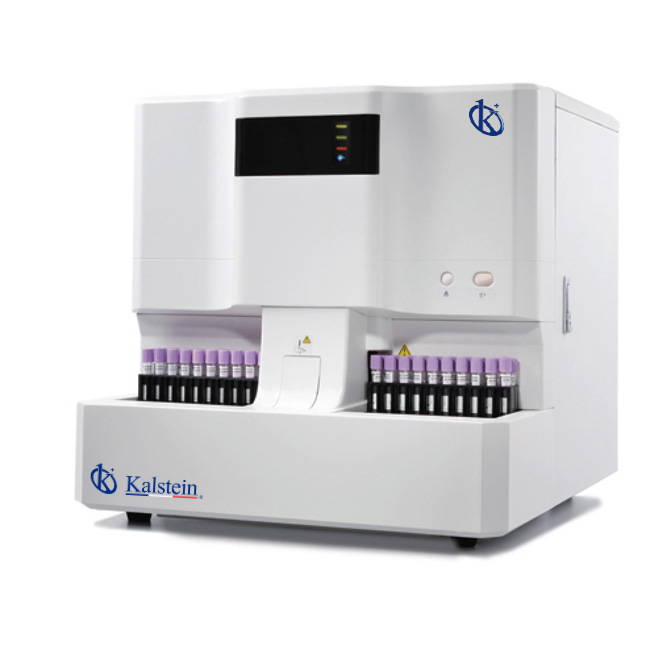
Advancements in technology have transformed the landscape of laboratory safety. Modern hematology analyzers, such as the Automatic Hematology Analyzer YR06080, incorporate features that enhance safety and compliance. These devices often come equipped with user-friendly interfaces that streamline operations and reduce the potential for human error.
Moreover, connectivity features that allow integration with laboratory information systems (LIS) can facilitate tracking and reporting of safety incidents. By automating data collection and analysis, laboratories can quickly identify trends or issues related to biosafety, enabling prompt corrective actions.
Training and Continuous Education in Biosafety
Continuous education and training of laboratory personnel are vital components of a robust biosafety program. Regular training sessions should be conducted to ensure that staff are aware of the latest biosafety practices, updates in regulations, and advancements in technology.
Laboratories should develop comprehensive training curricula that include biosafety protocols, emergency response procedures, and equipment handling techniques. Engaging staff in hands-on training and simulations can enhance their preparedness for real-world scenarios, ensuring a culture of safety within the laboratory.
Comparative Analysis of Hematology Analyzers
To make informed decisions regarding the selection of hematology analyzers, it is essential to compare the available models based on their capabilities, safety features, and compliance with biosafety protocols. The following table outlines key specifications of various models within the hematology analyzers category:
| Model | Safety Features | Sample Processing Speed | Key Compliance Standards | Best Use Case |
|---|---|---|---|---|
| YR06080 | Integrated titanium incubation system, automatic cleaning | 60 samples/hour | ISO 15189 | High-demand laboratories |
| YR05123 | Automatic calibration, low sample consumption | 60 samples/hour | ISO 17025 | General hematology testing |
| YR05122-1 | 5-part WBC differentiation, low volume sample intake | 60 samples/hour | ISO 15189 | Research and clinical settings |
| YR05122 | Plug-and-play capability, dual-channel system | 35 samples/hour | ISO 17025 | Small to medium labs |
| YR05121 | Advanced contamination prevention protocols | 35 samples/hour | ISO 15189 | Routine hematological analysis |
| YR05120 | Automated cleaning, user-friendly interface | 35 samples/hour | ISO 17025 | Entry-level laboratories |
Common Mistakes and How to Avoid Them
Laboratories often face challenges in ensuring biosafety compliance, leading to potential risks for operators. Common mistakes include inadequate PPE usage, insufficient training, and neglecting decontamination protocols. Each of these errors can compromise laboratory safety and operational efficiency.
To mitigate these mistakes, laboratories should establish a culture of safety that emphasizes compliance through regular audits and employee engagement. Implementing a checklist for PPE, decontamination practices, and training completion can help ensure adherence to biosafety standards.
Frequently Asked Questions
What biosafety measures should be implemented for hematology analyzers in laboratories?
Laboratories must adhere to BSL-2 standards for hematology analyzers, implementing PPE protocols, risk assessments, and decontamination procedures to ensure operator safety. The Automatic Hematology Analyzer YR06080 is designed with safety features that assist in compliance.
How can laboratories ensure compliance with ISO 17025 for hematology analyzers?
Compliance with ISO 17025 involves maintaining a quality management system, regular calibration of equipment like the YR05123, and thorough documentation of procedures and training to assure laboratory integrity.
What are the key training topics for personnel operating hematology analyzers?
Key training topics should include biosafety protocols, emergency response, proper equipment handling, and decontamination practices. Regular updates and hands-on training will enhance safety in using analyzers like the YR05121.
Which hematology analyzer is best for high-throughput laboratories?
The Automatic Hematology Analyzer YR06080 is ideal for high-throughput laboratories, capable of processing 60 samples per hour while maintaining compliance with biosafety standards.
How often should decontamination protocols be implemented for hematology analyzers?
Decontamination protocols should be implemented after every batch of samples or whenever spills occur. Regular cleaning of devices like the YR05122-1 ensures safety and compliance in laboratory environments.
What role does technology play in enhancing biosafety in laboratories?
Technology helps enhance biosafety through automation, integrated safety features, and connectivity to LIS for tracking. An example is the YR05120, which includes automated cleaning and user-friendly interfaces to minimize risks.
How can laboratories reduce operator exposure to hazardous materials when using hematology analyzers?
Minimizing operator exposure involves using proper PPE, following decontamination protocols, and utilizing analyzers such as the YR05122 that are designed with integrated safety features to protect staff.
What are the consequences of non-compliance with biosafety standards in laboratories?
Non-compliance can lead to severe consequences, including exposure to infectious agents, legal ramifications, and compromised laboratory results. Utilizing compliant analyzers like the YR06080 can mitigate these risks significantly.
If you are looking for a fusion of innovation and quality, you have come to the right place. At Kalstein, we offer you the luxury of exploring our exclusive catalog of laboratory equipment. We manufacture every device to the highest standards of excellence. Our intuitive and seamless online purchasing channels are designed for your convenience, securing the most competitive prices. Hesitate no longer — we bring science to life, it is time to become part of our community.