Ensuring Biosafety Protocols in Laboratory Pipette Usage
In modern laboratories, the implementation of strict biosafety protocols is essential to ensure the safety of operators and the integrity of experiments. This article delves into the biosafety measures and best practices necessary for safe handling and usage of pipettes, a fundamental tool in laboratory settings.
Understanding Biosafety Levels and Their Importance
Biosafety levels (BSL) are a set of containment precautions designed to protect laboratory personnel and the surrounding environment from exposure to infectious agents. The BSL classification ranges from 1 to 4, with 1 being the lowest risk and 4 the highest. Understanding these levels is crucial when selecting appropriate pipettes for specific tasks. For instance, using a Fluid Handling Pipette YR03731-1, which is designed for high precision and low operational force, is beneficial in BSL-2 laboratories where exposure to moderate pathogens may occur.
Personal Protective Equipment (PPE) for Pipette Users
Utilizing the correct personal protective equipment is a vital part of biosafety protocols. Lab coats, gloves, goggles, and face shields are essential for protecting users from chemical splashes and biological hazards. When using pipettes, especially in environments dealing with human samples or pathogens, operators should ensure that their PPE is suitable for the specific procedures being conducted. Additionally, selecting pipettes that minimize aerosol generation, like the Fluid Handling Pipette YR03731-3, can further enhance safety.
Decontamination Protocols for Pipette Equipment
Proper decontamination protocols must be employed to ensure that pipettes are free from contaminants before and after use. This includes using suitable disinfectants and methods for cleaning the pipette tips and external surfaces. For environments classified as BSL-3 or above, where airborne pathogens are a risk, utilizing pipettes with autoclavable parts, such as models from the YR series, ensures effective sterilization at 121°C, reducing the risk of cross-contamination.
Risk Assessment for Laboratory Protocols
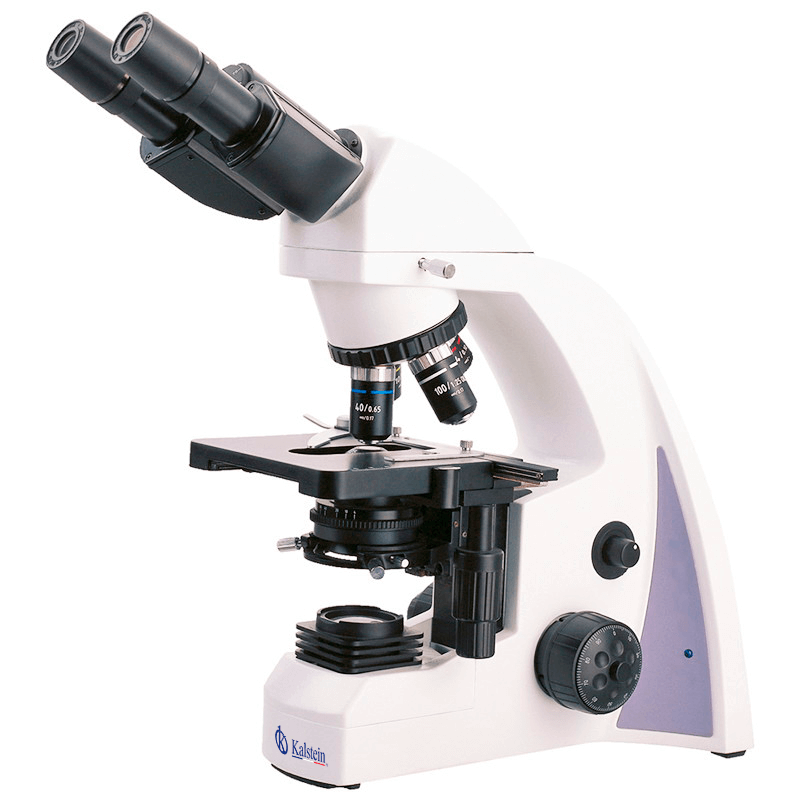
Conducting a thorough risk assessment before starting any laboratory procedure is essential. This involves identifying potential hazards associated with pipetting tasks, evaluating the likelihood of exposure to harmful agents, and implementing control measures. For example, in labs handling infectious agents with the Laboratory Microscope YR0237-1, it’s imperative to have protocols in place to handle spills and operator exposure effectively.
Training and Compliance for Pipette Usage
Regular training sessions for laboratory personnel on biosafety practices and pipette handling techniques are critical. This training should cover proper usage, maintenance, and the importance of compliance with biosafety regulations. Ensuring that every user is familiar with the protocols associated with models like the Laboratory Microscope YR0237-0-1 can significantly enhance operational safety and compliance.
Documentation and Traceability in Laboratory Practices
Maintaining accurate records of pipette use, maintenance, and decontamination procedures is vital for compliance with safety standards. Laboratories must document every incident and implement traceability measures to ensure accountability. Automated pipetting systems can offer improved traceability and data management, which can be beneficial in large-scale laboratories.
Comparison of Available Models
| Model | Volume Range (μl) | Accuracy (%) | Best for |
|---|---|---|---|
| YR0237-0-1 | N/A | N/A | General microscopy tasks |
| YR0237-1 | N/A | N/A | High-quality imaging |
| YR03731-1 | 10 | ±1.0% | Precision liquid handling |
| YR03731-2 | 20 | ±1.0% | Robust applications |
| YR03731-3 | 25 | ±1.0% | Versatile laboratory tasks |
Common Mistakes and How to Avoid Them
In laboratory settings, common mistakes in pipette handling include improper tip selection, inaccurate calibration, and neglecting maintenance protocols. To avoid these errors, laboratory personnel should be trained in the importance of using the right tips for specific liquid types, regularly calibrating pipettes, and establishing a maintenance schedule that includes decontamination and sterilization after each use.
Frequently Asked Questions
What biosafety measures should be taken when using laboratory pipettes?
When utilizing laboratory pipettes, it is crucial to follow strict biosafety measures, such as wearing appropriate PPE and following decontamination protocols. Models like the Fluid Handling Pipette YR03731-1 are designed to minimize risks in high-containment environments.
How can I ensure proper decontamination of pipettes in BSL-2 labs?
To ensure proper decontamination in BSL-2 labs, use disinfectants effective against the pathogens involved and sterilize pipettes at 121°C. Pipettes like YR03731-3 are ideal for such procedures as they support effective cleaning.
What training is necessary for safe pipette usage in laboratories?
Training for safe pipette usage should include proper handling techniques, maintenance, and biosafety regulations. Familiarity with models such as YR0237-1 can further enhance safety and compliance during training sessions.
How can I assess the risks associated with pipetting in my lab?
Conduct a detailed risk assessment by identifying potential hazards, evaluating exposure risks, and implementing control measures. Using models like the Laboratory Microscope YR0237 can help in identifying these risks effectively.
What are the best practices for pipette maintenance and calibration?
Best practices for pipette maintenance include regular calibration every 6-12 months, cleaning after every use, and proper storage. Tools such as the Fluid Handling Pipette YR03731-2 can help maintain calibration accuracy.
What protocols should I follow when handling hazardous materials with pipettes?
Follow strict biosafety protocols, including using dedicated pipettes for hazardous materials, wearing PPE, and employing decontamination steps. Models like YR03731-3 are designed for safe handling of such substances.
How do I select the right pipette for my laboratory work?
Select the right pipette by considering the volume range, accuracy, and the specific tasks you will perform. The Fluid Handling Pipette YR03731-1 is a versatile choice for a wide range of tasks in laboratory settings.
What are the consequences of non-compliance with pipette biosafety protocols?
Non-compliance with biosafety protocols can result in increased risk of exposure to hazardous materials, potential health risks to operators, and legal ramifications. Utilizing compliant models like YR0237-1 can mitigate these risks effectively.
If you are looking for a fusion of innovation and quality, you have come to the right place. At Kalstein, we offer you the luxury of exploring our exclusive catalog of laboratory equipment. We manufacture every device to the highest standards of excellence. Our intuitive and seamless online purchasing channels are designed for your convenience, securing the most competitive prices. Hesitate no longer — we bring science to life, it is time to become part of our community.