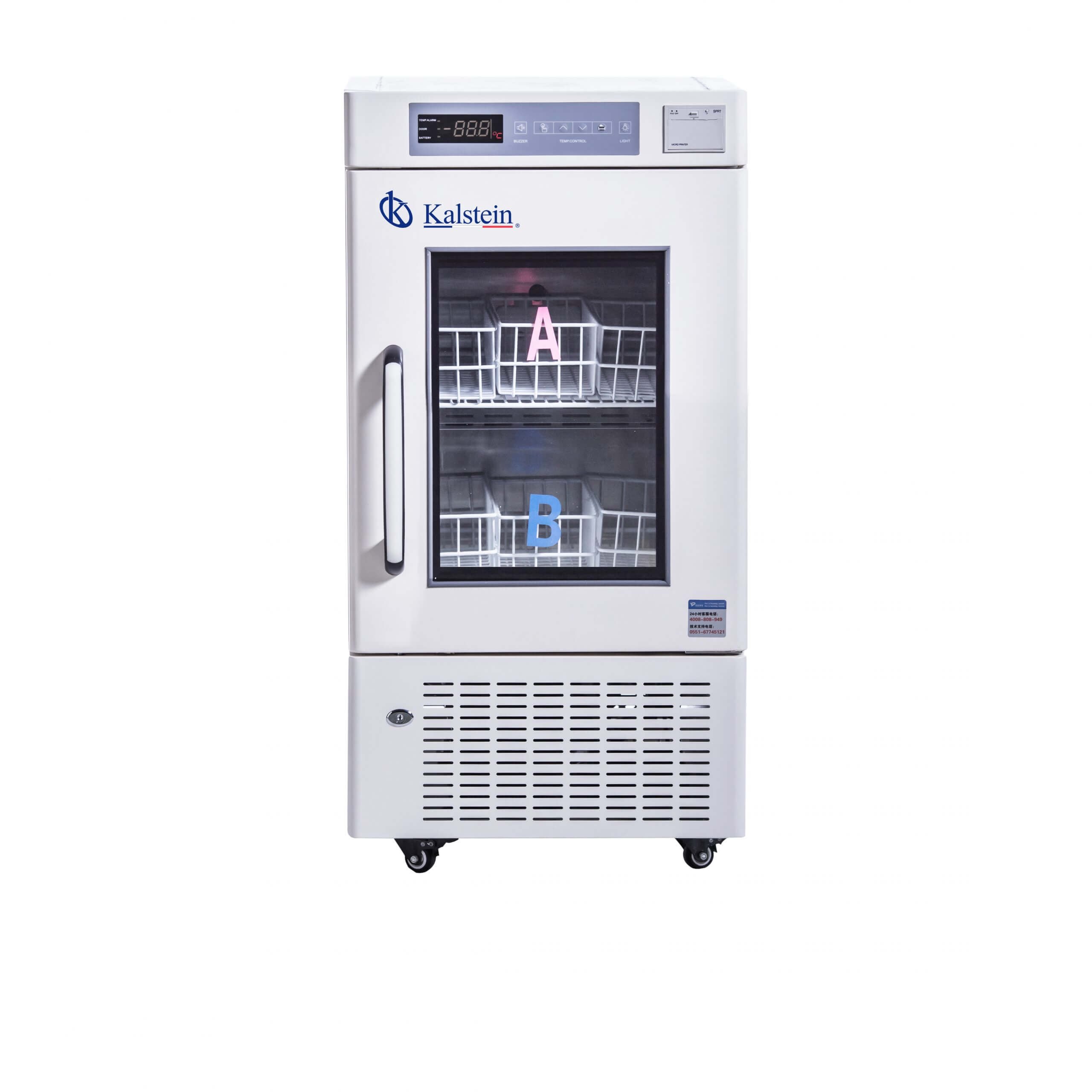
Comparative Analysis of Blood Bank Refrigerators Against Alternative Technologies
Blood bank refrigerators are critical for storing blood and related products safely. With the increasing demand for efficient storage solutions in healthcare settings, understanding the comparative advantages of various models becomes paramount. This article focuses on the analysis of different blood bank refrigerators and their performance metrics in contrast with alternative technologies.
Understanding Blood Bank Refrigerators
Blood bank refrigerators specialize in maintaining a stable temperature for blood storage, typically between 2°C to 6°C, to ensure that blood components remain viable for transfusion. These units are designed to comply with stringent health regulations and must integrate advanced features for monitoring and control.
Comparison of Available Models
| Model | Price (USD) | Temperature Range (°C) | Capacity (Units) | Cooling Type | Best For |
|---|---|---|---|---|---|
| YR05091 | 800.00 | 2-6 | Average | Forced Air | Small to Medium Blood Banks |
| YR05092 | 1230.00 | 2-6 | Moderate | Forced Air | Medium Blood Banks |
| YR05094 | 2275.00 | 2-6 | High | Forced Air | Large Blood Banks |
| YR05098 | 1550.00 | -10 to -25 | Average | Direct Cooling | Long-term Storage |
| YR05292 | 3490.00 | 4±1 | 576 | Forced Air | High Volume Blood Storage |
| YR05292-1 | 1850.00 | 4±1 | 576 | Forced Air | High Volume Blood Storage |
Key Features to Consider in Blood Bank Refrigerators
When evaluating blood bank refrigerators, several key features are essential to their performance:
- Temperature Control: Models like YR05094 include microprocessor-controlled systems ensuring precise temperature maintenance.
- Capacity: For larger facilities, YR05292 offers substantial storage with its 576-unit capacity, making it ideal for high-demand scenarios.
- Cooling Systems: Forced air cooling systems are common, but alternatives like direct cooling in YR05098 cater to different storage needs.
Comparative Performance Metrics
It’s crucial to analyze the performance metrics of each model to determine their suitability for specific applications:
| Model | Energy Consumption (kWh/24h) | Noise Level (dB) | Defrost Type | Refrigerant Type |
|---|---|---|---|---|
| YR05091 | 1.95 | 49.6 | Auto | R134a |
| YR05092 | 2.22 | 51.2 | Auto | R134a |
| YR05094 | 6.31 | 51.2 | Auto | R134a |
| YR05098 | 3.4 | 55 | Manual | R290 |
| YR05292 | Data Not Available | Data Not Available | Frost Free | R134a |
| YR05292-1 | Data Not Available | Data Not Available | Frost Free | R134a |
Common Mistakes and How to Avoid Them
Many facilities make mistakes when selecting a blood bank refrigerator. Here are some common pitfalls:
- Ignoring Temperature Requirements: Ensure the model meets the specific temperature needs for blood storage. For example, YR05094 maintains a stable range ideal for blood components.
- Underestimating Capacity: Selecting a model with insufficient storage can result in operational inefficiencies. Assess your volume needs before choosing, particularly important for hospitals.
- Neglecting Noise Levels: Some models, such as YR05098, operate at higher noise levels, which may not be suitable for certain environments.
Frequently Asked Questions
How do I choose the best blood bank refrigerator for my facility?
Selecting the best blood bank refrigerator depends on capacity, temperature control, and specific applications. For instance, YR05292 has a high capacity for 576 units, making it ideal for large blood storage needs.
What are the temperature ranges for blood bank refrigerators?
Blood bank refrigerators typically maintain temperatures between 2°C and 6°C. Models like YR05091 and YR05092 ensure precise control within this range, crucial for blood viability.
How much energy does a blood bank refrigerator consume?
Energy consumption varies by model; for example, YR05091 consumes 1.95 kWh/24h, making it an energy-efficient choice for small to medium blood banks.
What features should I look for in a blood bank refrigerator?
Key features include temperature control precision, capacity, energy efficiency, and noise levels. YR05094 offers microprocessor control and a forced air cooling system for optimal performance.
What type of refrigerant is used in blood bank refrigerators?
Many models use R134a for cooling, while YR05098 utilizes R290, which is environmentally friendly. Choosing the right refrigerant impacts efficiency and compliance.
How can I ensure my blood bank refrigerator is compliant with health regulations?
To ensure compliance, select a model like YR05092 that meets health standards for temperature maintenance and has features for monitoring and alarming during temperature fluctuations.
Are there any blood bank refrigerators with advanced monitoring systems?
Yes, models such as YR05094 come with integrated monitoring systems, offering digital displays and alarms to alert users to temperature deviations, thus ensuring compliance and safety.
What is the typical lifespan of a blood bank refrigerator?
The lifespan of a blood bank refrigerator can vary, but with proper maintenance, models such as YR05092 can last over a decade while ensuring reliable performance for blood storage.
If you are looking for a fusion of innovation and quality, you have come to the right place. At Kalstein, we offer you the luxury of exploring our exclusive catalog of laboratory equipment. We manufacture every device to the highest standards of excellence. Our intuitive and seamless online purchasing channels are designed for your convenience, securing the most competitive prices. Hesitate no longer — we bring science to life, it is time to become part of our community.