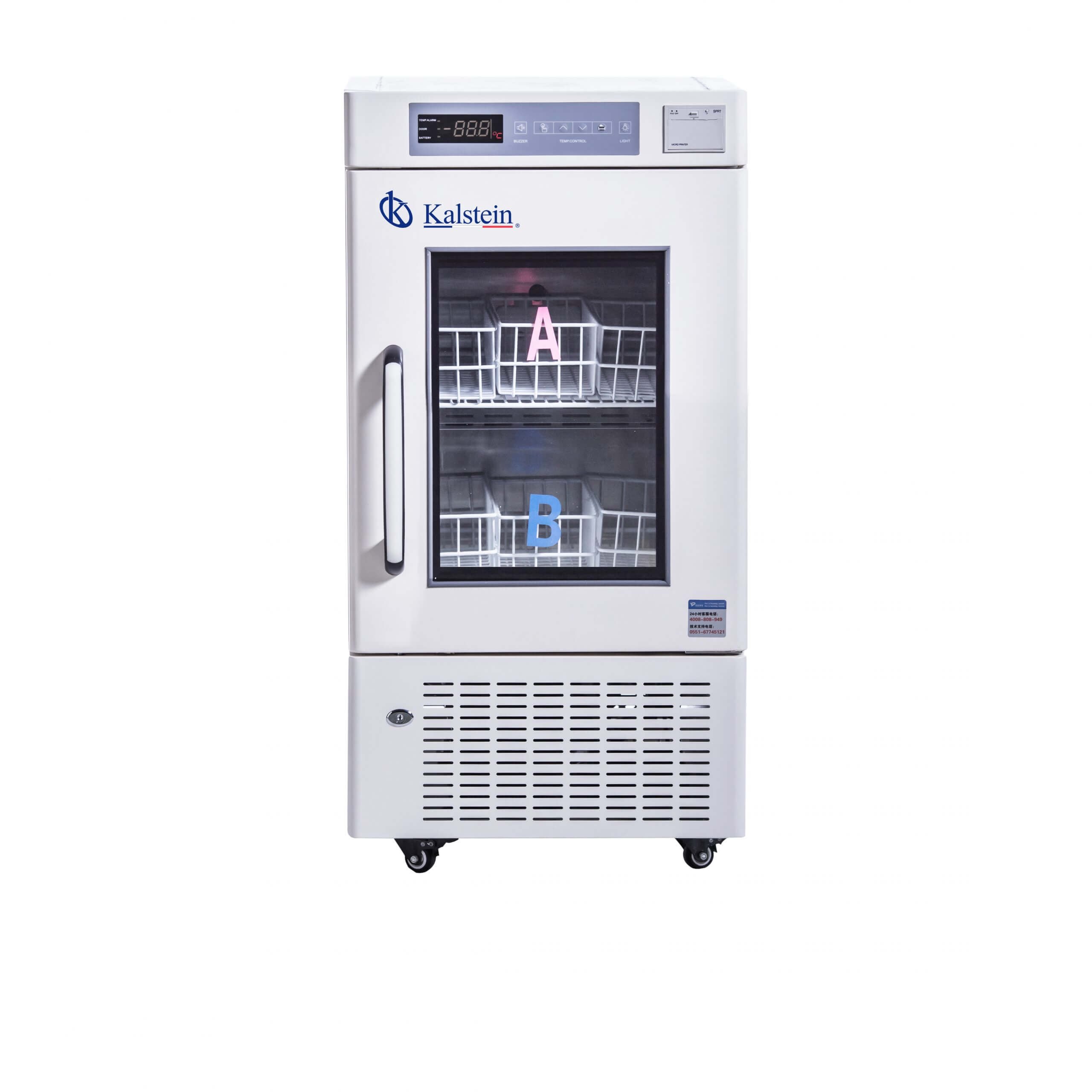
Blood Bank Refrigerators: Practical Applications and Techniques 2026
As the field of laboratory medicine continues to advance, the importance of specialized equipment, such as blood bank refrigerators, has never been more critical. These devices are essential for maintaining the integrity of blood products and ensuring that they remain safe for transfusion. This article aims to provide laboratory professionals with a comprehensive understanding of blood bank refrigerators, including their applications in clinical and hospital laboratories, the best practices for their use, and insights into the various models available in 2026.
What is it used for in 2026
In 2026, blood bank refrigerators are primarily used for the storage of blood components, such as red blood cells, plasma, and platelets, at regulated temperatures. These devices help maintain the quality and viability of blood products, preventing bacterial growth and ensuring that blood remains safe for patient transfusions. Hospitals, blood banks, and clinical laboratories rely on these refrigerators to provide optimal storage conditions, typically between 2°C and 6°C, in line with regulatory requirements.
History and evolution of the technology
The technology behind blood bank refrigerators has evolved significantly over the years. Initially, blood was stored in simple ice-based systems, which were inefficient and often resulted in temperature fluctuations. With advancements in refrigeration technology, the introduction of forced-air cooling systems and microprocessor controls has enhanced temperature stability and allowed for better monitoring. Modern blood bank refrigerators now come equipped with digital displays, alarms for temperature deviations, and automatic defrost systems, making them more reliable and user-friendly.
How to use it step by step
Using a blood bank refrigerator involves a series of systematic steps to ensure optimal storage conditions:
- Installation: Place the blood bank refrigerator in a well-ventilated area, away from direct sunlight and heat sources. Ensure that it is level for proper operation.
- Calibration: Before use, calibrate the temperature settings according to the manufacturer’s specifications. Use a certified thermometer to check accuracy.
- Loading: Organize blood components in the refrigerator while following storage guidelines. Ensure that air can circulate around the products.
- Monitoring: Regularly check the digital display for temperature readings. Record temperatures at set intervals as required by your facility’s protocols.
- Maintenance: Perform routine checks for cleanliness, and make sure that the door seals are intact. Schedule professional servicing as recommended by the manufacturer.
Best techniques and protocols
To maximize the efficacy of blood bank refrigerators, adhere to the following best techniques and protocols:
- Implement a first-in, first-out (FIFO) system for blood product storage to minimize waste.
- Regularly train staff on the importance of temperature monitoring and emergency procedures in case of equipment failure.
- Utilize temperature monitoring systems with alarms to ensure immediate action can be taken in case of deviations.
- Document all maintenance and calibration logs to maintain compliance with standards and facilitate inspections.
Practical applications by laboratory type
Blood bank refrigerators find applications in various laboratory settings:
- Hospital Laboratories: Used to store blood products for immediate transfusions. Proper storage is crucial for patient safety.
- Blood Donation Centers: Essential for preserving collected blood until further processing or distribution.
- Research Laboratories: Used to store blood samples for studies on blood diseases and transfusion medicine.
Regulations, standards and certifications
Blood bank refrigerators must comply with various regulations and standards, including:
- FDA regulations for medical devices, ensuring safety and efficacy.
- Clinical Laboratory Improvement Amendments (CLIA) standards related to laboratory safety and performance.
- ISO certifications that denote quality management systems.
Comparison with alternative technologies
Alternatives to blood bank refrigerators include traditional freezers and general-purpose refrigerators. However, these alternatives lack the specialized features necessary for optimal blood storage:
- General Refrigerators: These may not maintain the precise temperature required for blood products.
- Freezers: Not suitable for blood products intended for transfusion as they can damage cellular components.
Comparison of available models
| Model | Best for | Key specs | Recommended use case |
|---|---|---|---|
| YR05091 | Medium volume storage | 2 shelves, forced air cooling, 220V, 175W | Hospitals requiring reliable blood storage |
| YR05092 | Higher capacity storage | 4 shelves, forced air cooling, 220V, 183W | Blood banks needing more storage space |
| YR05094 | Large volume storage | 12 shelves, forced air cooling, 220V, 364W | Research labs with extensive blood sample needs |
| YR05098 | Freezing applications | Direct cooling, 220V, 260W | Facilities requiring frozen blood products |
| YR05292 | High-capacity blood storage | 12 stainless steel drawers, 220V | Specialized blood banks with high turnover |
| YR05292-1 | Similar to YR05292 | 12 stainless steel drawers, 220V | Large hospitals with multiple storage needs |
Common mistakes and how to avoid them
Some common mistakes when using blood bank refrigerators include:
- Overloading the refrigerator, which can disrupt airflow and lead to temperature inconsistencies. Always adhere to capacity guidelines.
- Failing to monitor temperatures regularly, which can result in compromised blood products. Implement a routine check schedule.
- Neglecting maintenance, which can lead to equipment failure. Schedule regular servicing and keep a maintenance log.
Maintenance, calibration and good practices 2026
Maintaining blood bank refrigerators involves regular calibration and adherence to good practices:
- Perform calibration checks at least quarterly using certified thermometers to ensure temperature accuracy.
- Clean the interior regularly with disinfectants to prevent contamination.
- Document all maintenance activities for compliance and traceability.
Cost-benefit analysis 2026
When considering the investment in blood bank refrigerators, perform a cost-benefit analysis by evaluating:
- Initial purchase costs against the potential for preventing blood wastage.
- Operational costs such as energy consumption versus the reliability of having a well-maintained blood storage system.
- The impact on patient care and safety when utilizing advanced refrigeration technology.
Frequently asked questions
What should I consider when choosing a blood bank refrigerator?
Consider the volume of blood products you need to store, the required temperature range, and any additional features such as alarms and monitoring systems for optimal storage conditions.
How do I ensure the proper maintenance of my blood bank refrigerator?
Regularly inspect seals for integrity, clean the interior, calibrate temperature readings, and document all maintenance activities to ensure compliance with regulations.
What are the common signs that my blood bank refrigerator is malfunctioning?
Common signs include temperature alarms going off, unusual noises, or if the digital display shows erratic readings. Immediate troubleshooting or consultation with a technician is advised.
How often should I check the temperature of the refrigerator?
It is recommended to check and log the temperature at least twice a day, or more frequently depending on your institution’s protocols to ensure blood safety.
Can I store other products in a blood bank refrigerator?
While primarily designed for blood storage, they can also store specific medical products that require similar temperature conditions. However, always consult the manufacturer’s guidelines first.
What should I do if there is a power outage?
Implement your facility's emergency protocol, which may include using backup power sources, monitoring temperatures, or transferring blood products to alternative refrigeration systems if necessary.
If you are looking for a fusion of innovation and quality, you have come to the right place. At Kalstein, we offer you the luxury of exploring our exclusive catalog of laboratory equipment. We manufacture every device to the highest standards of excellence. Our intuitive and seamless online purchasing channels are designed for your convenience, securing the most competitive prices. Hesitate no longer — we bring science to life, it is time to become part of our community.