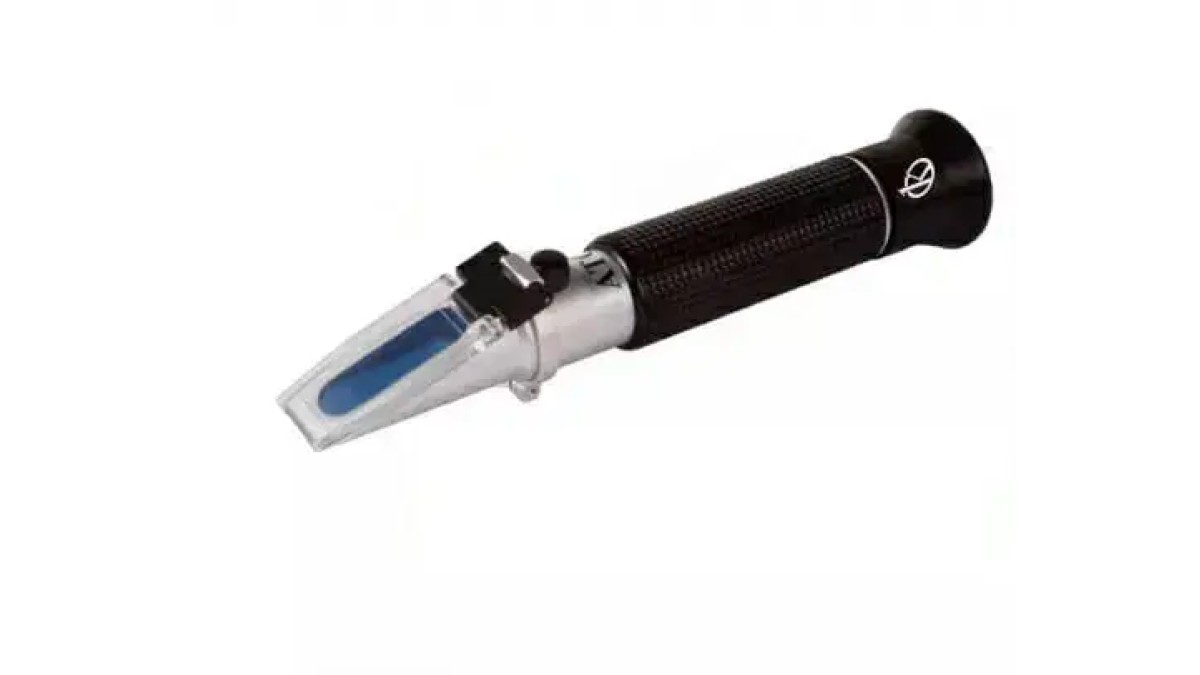
Brix Refractometers: Common Mistakes and How to Avoid Them in Daily Operation 2026
What is it used for in 2026
Brix refractometers are essential tools in laboratories and agricultural settings, primarily used to measure the sugar content in solutions. This measurement is crucial for various industries, including food and beverage, agriculture, and pharmaceuticals. In 2026, the significance of accurate Brix measurements continues to grow, as consumers demand higher quality products with consistent flavor profiles and nutritional value.
These refractometers help professionals monitor the ripeness of fruits, the fermentation process in brewing, and the quality of juices and sweeteners. The ability to assess the sugar concentration allows for better quality control and production efficiency in various applications.
History and evolution of the technology
The history of refractometry dates back to the 19th century when the first optical refractometers were developed. Initially used in academic research, the technology evolved to meet the needs of various industries. The advent of digital technology in the late 20th century revolutionized refractometers, making them more user-friendly and precise.
In recent years, advancements in materials and sensors have enhanced the functionality of Brix refractometers. Modern instruments offer automatic temperature compensation (ATC), compact designs, and improved accuracy, making them indispensable in both laboratory and field settings.
How to use it step by step
- Preparation: Ensure the refractometer is clean and calibrated. Use distilled water for calibration if needed.
- Sample collection: Collect a small amount of the liquid to be tested. Ensure there are no bubbles in the sample.
- Apply the sample: Place a few drops of the sample on the measuring prism of the refractometer.
- Close the cover: Gently close the cover to spread the sample evenly across the prism.
- Read the measurement: Look through the eyepiece or read the display for the Brix value. Note the temperature if applicable.
- Clean the prism: After use, clean the prism with a soft cloth or tissue to avoid cross-contamination.
Best techniques and protocols
To maximize accuracy and efficiency when using Brix refractometers, consider the following techniques:
- Temperature control: Always use the refractometer at the specified temperature range and consider the effects of temperature on sugar concentration.
- Consistent sample size: Use a consistent volume of sample to ensure repeatability in measurements.
- Regular calibration: Regularly calibrate the refractometer to maintain accuracy, especially after extensive use.
Practical applications by laboratory type
Brix refractometers find applications in various laboratory settings:
- Agricultural laboratories: For determining the sugar content in fruits and vegetables to optimize harvest time.
- Food and beverage industry: In breweries and juice production to maintain product quality and consistency.
- Pharmaceuticals: For measuring the concentration of sugar in medicinal syrups.
Regulations, standards and certifications
In 2026, laboratories using Brix refractometers must adhere to various regulations and standards, including ISO guidelines for laboratory instruments. Compliance with these standards ensures quality control and safety in laboratory processes. Certifications from recognized bodies can enhance the credibility of test results and product quality.
Comparison with alternative technologies
While Brix refractometers are widely used, alternative technologies exist, such as:
- Hydrometers: Suitable for measuring specific gravity but less precise than refractometers for sugar content.
- Density meters: Provide density measurements, which can indirectly indicate sugar concentration but may require additional calculations.
Brix refractometers generally offer quicker and more accurate readings for sugar content, making them preferable in many applications.
Comparison of available models
| Model | Best for | Key specs | Recommended use case |
|---|---|---|---|
| YR05872 | 0-5% Brix Measurements | Measurement range: 0-5% Brix; Accuracy: ± 0.10% Brix | Ideal for measuring sweet fruits and low-sugar solutions. |
| YR05873 | 0-10% Brix Measurements | Measurement range: 0-10% Brix; Accuracy: ± 0.10% Brix | Used in the wine industry for low-sugar grape testing. |
| YR05874 | 0-18% Brix Measurements | Measurement range: 0-18% Brix; Accuracy: ± 0.10% Brix | Suitable for vegetable juice concentration testing. |
| YR05875 | 0-20% Brix Measurements | Measurement range: 0-20% Brix; Accuracy: ± 0.10% Brix | Useful in syrup production for quality control. |
| YR05876 | 0-32% Brix Measurements | Measurement range: 0-32% Brix; Accuracy: ± 0.10% Brix | Ideal for high-sugar solutions like molasses. |
| YR05877 | 0-55% Brix Measurements | Measurement range: 0-55% Brix; Accuracy: ± 0.10% Brix | Best for sugar concentrate in baking industry. |
Common mistakes and how to avoid them
Several common mistakes can occur when using Brix refractometers:
- Inadequate cleaning: Failing to clean the prism can lead to cross-contamination. Always clean thoroughly after each use.
- Ignoring temperature effects: Not accounting for temperature can skew results. Use refractometers with ATC features and conduct measurements at the specified temperature range.
- Improper sample size: Using too little or too much sample can affect accuracy. Always adhere to recommended sample sizes.
By being aware of these mistakes, laboratory professionals can enhance the accuracy and reliability of their measurements.
Maintenance, calibration and good practices 2026
Regular maintenance and calibration are crucial for Brix refractometers:
- Daily cleaning: After each use, clean the prism and exterior with a soft cloth.
- Calibration: Calibrate the instrument regularly, especially before critical measurements.
- Storage: Store the refractometer in a protective case to prevent damage and contamination.
Following these good practices ensures long-term functionality and accuracy of the device.
Cost-benefit analysis 2026
Investing in Brix refractometers can offer significant returns:
- Improved accuracy: Enhanced measurement precision can lead to better product quality and consistency.
- Time efficiency: Quick results allow laboratories to streamline workflows and reduce turnaround time.
- Cost savings: Preventing errors in production can save money in raw materials and waste reduction.
Overall, Brix refractometers present a valuable investment for laboratories focused on quality control and efficiency.
Frequently asked questions
What is the difference between manual and digital Brix refractometers?
Manual refractometers require the user to visually interpret the results, while digital models provide a direct readout, making them easier to use and less prone to human error.
How often should I calibrate my Brix refractometer?
It is advisable to calibrate your Brix refractometer before each use, especially if you are conducting critical measurements or if the device has been subjected to temperature changes.
Can I use a Brix refractometer for other liquids besides fruit juices?
Yes, Brix refractometers can be used for any liquid containing sugars, including syrups, honey, and certain beverages. Always check the model specifications for the appropriate measurement range.
What should I do if my measurements are inconsistent?
Inconsistent measurements can result from improper cleaning, temperature fluctuations, or calibration issues. Ensure the device is clean, calibrate properly, and measure at the recommended temperature range.
Are Brix refractometers easy to use?
Yes, Brix refractometers are designed for user-friendliness. Following the proper steps for sample preparation and measurement can yield accurate results quickly.
Is a high-end Brix refractometer worth the investment?
High-end Brix refractometers often provide more features, such as better accuracy, durability, and additional functionalities, making them a worthwhile investment for professional laboratories.
If you are looking for a fusion of innovation and quality, you have come to the right place. At Kalstein, we offer you the luxury of exploring our exclusive catalog of laboratory equipment. We manufacture every device to the highest standards of excellence. Our intuitive and seamless online purchasing channels are designed for your convenience, securing the most competitive prices. Hesitate no longer — we bring science to life, it is time to become part of our community.