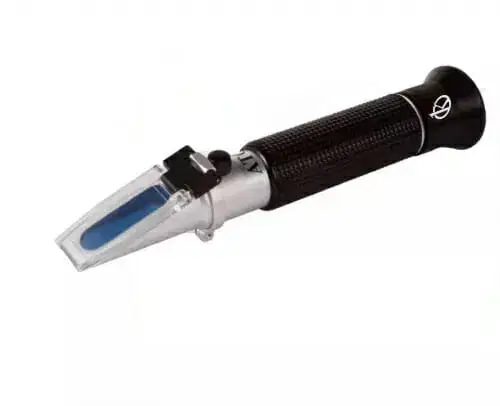
How Can Brix Refractometers Enhance Energy Sustainability and Reduce Environmental Footprint?
Brix refractometers are essential tools used across various industries, including agriculture, food production, and brewing, to measure sugar concentration in liquids. As the demand for energy sustainability and environmental conservation grows, understanding how these instruments can contribute to lower energy consumption and a reduced ecological footprint is crucial. In this article, we will explore the various Brix refractometers available, their specifications, and how they can help laboratories and businesses achieve their sustainability goals.
Understanding Energy Sustainability in Laboratory Practices
Energy sustainability is the practice of reducing energy consumption while maintaining productivity and efficiency in laboratory settings. Brix refractometers, used for measuring sugar levels in agricultural products, can significantly contribute to this goal by optimizing testing processes and reducing waste. By choosing the right model, laboratories can minimize energy usage and environmental impact.
Reducing Environmental Footprint with Brix Refractometers
The environmental footprint of laboratory equipment can be assessed through energy consumption, water usage, and chemical waste. Brix refractometers are designed to be efficient and require minimal resources. For instance, models like the YR05876 are built to operate within a specific temperature range, conserving energy by minimizing heating requirements during operation.
Comparison of Available Models
| Model Code | Measurement Range | Minimum Division | Accuracy | Best For |
|---|---|---|---|---|
| YR05872 | 0-5% Brix | 0.1% Brix | ± 0.10% Brix | Small fruit testing |
| YR05873 | 0-10% Brix | 0.1% Brix | ± 0.10% Brix | Vegetable growers |
| YR05874 | 0-18% Brix | 0.1% Brix | ± 0.10% Brix | Wine producers |
| YR05875 | 0-20% Brix | 0.1% Brix | ± 0.10% Brix | Home brewing |
| YR05876 | 0-32% Brix | 0.1% Brix | ± 0.10% Brix | High sugar concentration testing |
| YR05877 | 0-40% Brix | 0.1% Brix | ± 0.10% Brix | Concentrated juices |
Common Mistakes and How to Avoid Them
When utilizing Brix refractometers, users often make several common mistakes that can affect accuracy and efficiency. One mistake is not calibrating the instrument before use, which can lead to inaccurate readings. Another is neglecting to maintain the refractometer, resulting in dirt or residue affecting the optical lens. Always follow the manufacturer's guidelines for maintenance and calibration to ensure the longevity and precision of your device.
Energy Consumption and Efficiency of Brix Refractometers
Evaluating the energy consumption of Brix refractometers is essential for understanding their impact on sustainability. Models operate efficiently within a temperature range, with automatic temperature compensation (ATC) facilitating accurate readings without excessive energy use. For instance, the YR05875, designed for a 10-30°C range, ensures that energy is conserved during testing.
Concrete Reduction Tactics for Environmental Sustainability
To actively reduce the environmental footprint, laboratories can implement strategies such as optimizing the testing process to minimize waste and energy use. For example, using the YR05876 model allows for rapid testing of high sugar concentrations, reducing the number of tests required and thus conserving resources. Additionally, training staff on best practices can further enhance energy efficiency.
Lifecycle Assessment of Brix Refractometers
A lifecycle assessment examines the environmental impacts associated with all stages of a product's life, from production to disposal. Brix refractometers are generally made from materials like aluminum, which is recyclable. Choosing models that align with sustainable practices, such as the YR05877, can mitigate environmental impacts and support green laboratory initiatives.
Frequently Asked Questions
How can Brix refractometers improve energy efficiency in laboratories?
Brix refractometers like the YR05873 optimize energy efficiency by requiring less power for accurate measurements, particularly with their temperature ranges, which helps conserve energy in laboratory settings.
What is the impact of Brix refractometers on reducing waste?
Using models such as the YR05876 can significantly reduce waste by providing quick and accurate measurements, thus minimizing the number of tests needed and subsequently reducing chemical and water usage.
Which Brix refractometer model is best for energy-conscious laboratories?
The YR05875 model is ideal for energy-conscious laboratories due to its efficient design and operation within a specific temperature range, reducing overall energy consumption during tests.
How do Brix refractometers contribute to sustainability in agriculture?
Models like the YR05874 help farmers achieve sustainable practices in agriculture by accurately measuring sugar levels, allowing for optimized resource use and better crop management.
What features should I look for in an environmentally friendly Brix refractometer?
Look for features such as ATC, energy-efficient operation, and durability. The YR05876, for example, is built to minimize energy consumption while maintaining accuracy in readings.
How does the design of Brix refractometers affect their environmental impact?
The design affects energy consumption and waste generation. Models made from recyclable materials, like the YR05877, contribute less to environmental degradation at the end of their lifecycle.
What are the advantages of using Brix refractometers over other measuring devices in labs?
Brix refractometers, such as the YR05872, provide quick results with minimal sample size, reducing waste and energy use compared to traditional methods that may require larger volumes and longer processing times.
How can I effectively implement a Brix refractometer in a sustainable lab setup?
Implement a Brix refractometer like the YR05875 in your lab to streamline processes. Ensure staff is trained on efficient usage and maintenance to maximize its sustainability benefits.
For additional information and to explore our range of Brix refractometers, we invite you to request a quote on Kalstein Plus.
If you are looking for a fusion of innovation and quality, you have come to the right place. At Kalstein, we offer you the luxury of exploring our exclusive catalog of laboratory equipment. We manufacture every device to the highest standards of excellence. Our intuitive and seamless online purchasing channels are designed for your convenience, securing the most competitive prices. Hesitate no longer — we bring science to life, it is time to become part of our community.