Car Refractometers: Practical Applications and Techniques 2026
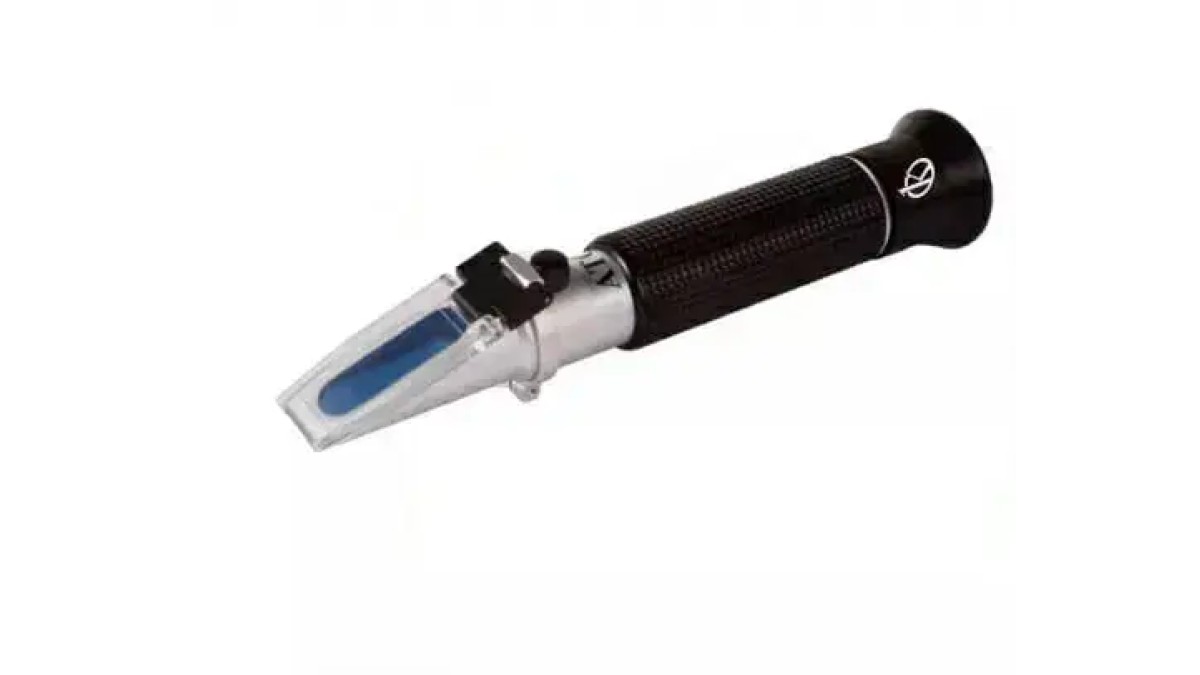
Car refractometers are essential tools used in various laboratory settings to measure the refractive index of fluids, particularly automotive coolants. Understanding how to effectively use these instruments can significantly enhance laboratory workflows and ensure accurate results.
What is it used for in 2026
In 2026, car refractometers are primarily used to determine the concentration of antifreeze solutions, such as ethylene glycol and propylene glycol, in automotive cooling systems. These instruments help in assessing the freezing and boiling points of these fluids, ensuring optimal performance and safety for vehicles. Furthermore, car refractometers assist in analyzing windshield washer fluids, enabling technicians to verify their effectiveness in various weather conditions.
History and evolution of the technology
The refractometer technology dates back to the late 19th century when it was initially developed for laboratory and industrial use. Over the years, advancements in technology have led to the incorporation of automatic temperature compensation (ATC) in refractometers, allowing for accurate measurements under varying temperature conditions. The evolution of car refractometers has focused on enhancing their portability, accuracy, and ease of use, making them indispensable tools for automotive professionals.
How to use it step by step
Using a car refractometer involves several steps to ensure accurate readings:
- Calibration: Before use, calibrate the refractometer using distilled water to ensure accuracy.
- Sample Preparation: Collect a fluid sample from the vehicle's cooling system or windshield washer reservoir.
- Application: Place a few drops of the fluid sample on the refractometer's prism.
- Measurement: Close the lid and look through the eyepiece to read the scale. Adjust for any temperature discrepancies if necessary.
- Record Results: Document the refractive index or specific gravity as required for analysis.
Best techniques and protocols
To achieve the best results when using car refractometers, follow these techniques and protocols:
- Always ensure the refractometer is clean and free from residues before each use.
- Use samples at temperatures close to the calibration temperature (typically around 20°C).
- Take multiple readings to ensure consistency and accuracy.
- Regularly maintain the refractometer by cleaning the prism and recalibrating as needed.
Practical applications by laboratory type
Car refractometers find practical applications across various laboratory types:
- Automotive Labs: Testing coolant concentrations and verifying the effectiveness of antifreeze.
- Quality Control Labs: Ensuring the quality of automotive fluids before distribution.
- Research Facilities: Studying fluid properties and their effects on engine performance.
Regulations, standards and certifications
In 2026, car refractometers must comply with certain regulations and standards to ensure reliability and safety. Certifications from organizations such as ISO ensure that the devices meet international quality standards. Users are advised to check for compliance with automotive industry standards, particularly those related to environmental safety and fluid analysis.
Comparison with alternative technologies
While car refractometers are excellent for specific gravity measurements, alternative technologies exist:
- Hydrometers: Good for measuring specific gravity but less accurate than refractometers.
- Digital refractometers: Offer enhanced features like automatic data logging but may be more expensive.
- Infrared thermometers: Useful for measuring temperature but not for determining fluid concentrations.
Comparison of available models
| Model | Best for | Key specs | Recommended use case |
|---|---|---|---|
| YR05916 | Testing coolant freezing points | Range: E:-60°C--0°C, P:-50°C-0°C, B:1.100-1.400sg | Ideal for automotive fluid testing in cold climates. |
| YR05917 | Testing coolant freezing points | Range: E:-60°C--0°C, P:-50°C-0°C, B:1.100-1.400sg | Best for regular maintenance checks of coolant systems. |
| YR05918 | Measuring windshield washer fluid | Range: E:-60°F-32°F, P:-50°F-32°F, B:1.15-1.30sg | Optimal for testing washer fluid performance in winter. |
| YR05919 | Testing coolant freezing points | Range: E:-60°C--0°C, P:-50°C-0°C, B:1.100-1.400sg | Suitable for both commercial and private vehicle maintenance. |
| YR05920 | Testing coolant freezing points | Range: E:-60°C--0°C, P:-50°C-0°C, B:1.100-1.400sg | Great for performance vehicles requiring precise measurements. |
| YR05921 | Testing coolant freezing points | Range: E:-60°C--0°C, P:-50°C-0°C, B:1.100-1.400sg | Recommended for extensive automotive fluid testing laboratories. |
Common mistakes and how to avoid them
Common mistakes when using car refractometers include:
- Neglecting Calibration: Always calibrate your refractometer before use to ensure accuracy.
- Incorrect Sample Temperature: Make sure samples are at the appropriate temperature for testing.
- Insufficient Cleaning: Regularly clean the prism to prevent contamination of readings.
Maintenance, calibration and good practices 2026
Proper maintenance of car refractometers is essential for longevity and accurate results:
- Clean the prism with a soft, lint-free cloth after each use.
- Regularly check and recalibrate the device according to manufacturer guidelines.
- Store the refractometer in a protective case to prevent damage.
Cost-benefit analysis 2026
When considering the investment in car refractometers, weigh the costs against the benefits:
- Initial costs are relatively low compared to the potential savings from preventing engine damage.
- Regular testing can improve vehicle performance and longevity, providing value over time.
- Accurate testing leads to better service and customer satisfaction in automotive services.
Frequently asked questions
What should I look for when choosing a car refractometer?
When selecting a car refractometer, consider the range of measurement, accuracy, temperature compensation features, and ease of use. Ensure it fits the specific fluids you will be testing.
How do I maintain my car refractometer?
To maintain your car refractometer, regularly clean the prism, calibrate it before use, and store it properly. Follow the manufacturer's maintenance guidelines for best practices.
Can I use a car refractometer for other fluids?
Yes, while car refractometers are designed for automotive fluids, they can also be used to test other fluids with similar refractive indices. However, ensure the device is suitable for the specific application.
How often should I calibrate my car refractometer?
Calibration should be performed before each use or whenever the device is cleaned. Regular checks ensure consistent and accurate results.
What are the common errors in using a car refractometer?
Common errors include not calibrating the instrument, not using samples at the correct temperature, and failing to clean the prism properly. Avoid these mistakes for accurate measurements.
What is the average lifespan of a car refractometer?
The lifespan of a car refractometer can vary based on usage and maintenance but generally lasts several years with proper care. Regular maintenance extends its functional life.
Where can I request a quote for car refractometers?
You can easily request a quote for car refractometers on our platform, where we offer a variety of models tailored for your laboratory needs.
If you are looking for a fusion of innovation and quality, you have come to the right place. At Kalstein, we offer you the luxury of exploring our exclusive catalog of laboratory equipment. We manufacture every device to the highest standards of excellence. Our intuitive and seamless online purchasing channels are designed for your convenience, securing the most competitive prices. Hesitate no longer — we bring science to life, it is time to become part of our community.