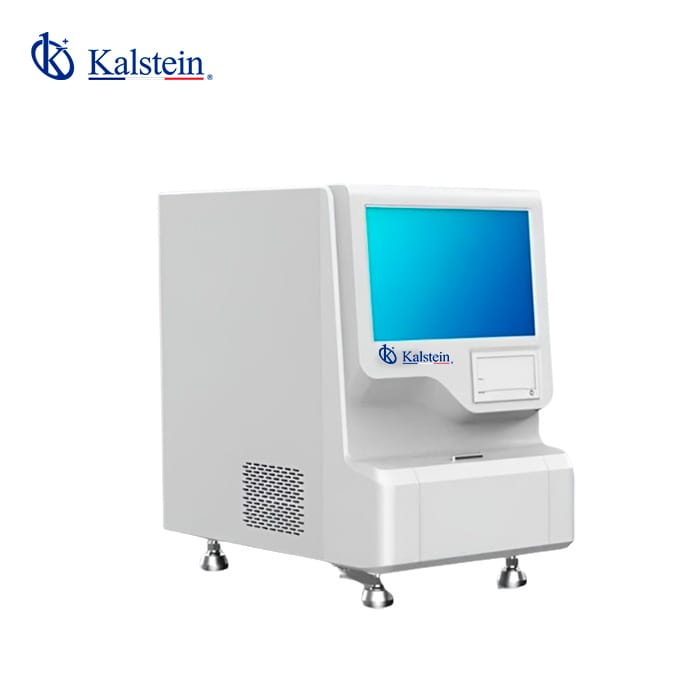
How Can Chemiluminescent Immunoassay Analyzers Enhance Energy Sustainability and Reduce Environmental Footprint?
The urgency of addressing environmental sustainability is reshaping the landscape of laboratory practices. Chemiluminescent immunoassay analyzers represent a pivotal technology in this endeavor, offering advanced diagnostic capabilities while promoting energy efficiency and minimizing carbon footprint. This article delves into how these analyzers, through their innovative features and operational efficiencies, can play a significant role in achieving energy sustainability and reducing environmental impact in clinical laboratories.
Understanding the Role of Chemiluminescent Immunoassay Analyzers in Promoting Energy Sustainability
Chemiluminescent immunoassay analyzers are designed for rapid and sensitive detection of various biomarkers. Their operational efficiency not only improves diagnostic turnaround times but also contributes to energy savings and reduced waste generation. These analyzers typically require less power than traditional methods, thanks to their advanced technologies such as automatic calibration, real-time monitoring and optimized reagent usage. The combination of these factors makes them an ideal choice for laboratories aiming to enhance their sustainability initiatives.
Comparison of Available Models
| Model | Energy Consumption (kWh/run) | Speed of Results | Reagent Usage | Best for |
|---|---|---|---|---|
| YR06387 | 2.5 | Results in 15 minutes | Optimized for high throughput | Clinical environments |
| YR06388 | 2.0 | Results in 15 minutes | Decreased reagent waste | Emergency labs |
| YR06389 | 2.7 | Results in 15 minutes | Efficient reagent consumption | Outpatient settings |
| YR06390 | 2.3 | Results in 15 minutes | High reagent efficiency | Primary care laboratories |
| YR06710 | 1.8 | Results in 20 minutes | Very low waste | Small spaces, emergencies |
Optimizing Energy Consumption in Chemiluminescent Immunoassay Analyzers
The energy consumption of laboratory analyzers is a crucial factor in their overall environmental impact. Each model offers various levels of efficiency. For instance, the YR06710 model is particularly noteworthy for its compact design, covering only 0.4 m², hence minimizing energy required for operation. Moreover, its ability to process 1 to 12 samples simultaneously ensures that energy is not wasted on idle units, making it a suitable choice for energy-conscious labs.
Reducing Waste Generation Through Efficient Reagent Usage
Another dimension of sustainability in the context of chemiluminescent immunoassay analyzers is related to reagent usage. Using advanced methodologies, such as CLEIA and magnetic separation, these systems can significantly reduce the volume of reagents required per test. For example, the YR06388 model incorporates a double chamber system allowing for independent operations, which leads to a more adaptable workflow with less reagent consumption.
Lifecycle Assessment of Chemiluminescent Immunoassay Analyzers
Conducting a lifecycle assessment (LCA) on chemiluminescent immunoassay analyzers helps in understanding their complete environmental impact from manufacturing to disposal. This assessment includes evaluating energy consumed during production, operation, and end-of-life disposal. Models like the YR06389 excel in this regard as their components are designed for easy recycling, which enhances their sustainability profile.
Common Mistakes and How to Avoid Them
Laboratories often overlook the importance of energy-efficient settings when operating chemiluminescent immunoassay analyzers. A common mistake is failing to calibrate equipment regularly, which can lead to increased energy consumption and reagent waste. Implementing an effective maintenance schedule and training staff on proper operational protocols can significantly improve both energy efficiency and test accuracy.
Frequently Asked Questions
How do chemiluminescent immunoassay analyzers contribute to reducing environmental impact?
Chemiluminescent immunoassay analyzers like the YR06390 reduce environmental impact by minimizing energy consumption and reagent waste. This model processes up to 220 T/h with a turnaround time of only 15 minutes, significantly enhancing efficiency while reducing the laboratory's overall energy footprint.
What are the energy consumption metrics for chemiluminescent immunoassay analyzers?
The energy consumption metrics vary by model; for instance, the YR06710 has a low energy consumption of only 1.8 kWh per run. This model's efficient design makes it ideal for labs focused on sustainability.
Which features in chemiluminescent immunoassay analyzers help in achieving sustainability?
Key features include automated calibration, optimized reagent consumption, and real-time monitoring. The YR06388, for example, employs a double chamber system that allows for efficient sample processing with minimal waste, promoting sustainable laboratory practices.
How can I optimize reagent use in my immunoassay lab?
Optimizing reagent use can be achieved through careful selection of analyzers, like the YR06389, that have proven efficient reagent consumption rates. Training staff on best practices for reagent handling and testing procedures also contributes to reduced wastage.
What lifecycle considerations should I take into account for analyzers?
When considering lifecycle impacts, assess the manufacturing energy, operational efficiency during use, and end-of-life recyclability. The YR06390 is a prime example of a model designed for minimal environmental impact throughout its lifecycle.
How do I ensure compliance with energy sustainability practices in my laboratory?
Ensure compliance by adopting energy-efficient technologies and practices, such as utilizing models like the YR06387, which are designed to operate with low energy consumption and minimal reagent waste, aligning with sustainability goals.
What is the best chemiluminescent immunoassay analyzer for small laboratories focused on sustainability?
The YR06710 is an excellent choice for small laboratories, as it covers a compact area of only 0.4 m² while maintaining high throughput and energy efficiency, thus supporting sustainability initiatives effectively.
What strategies can be implemented for reducing waste in immunoassay testing?
Strategies include selecting analyzers like the YR06388 that utilize effective reagent management systems, conducting regular training on waste reduction practices, and implementing a rigorous maintenance schedule to ensure optimal device performance.
If you are looking for a fusion of innovation and quality, you have come to the right place. At Kalstein, we offer you the luxury of exploring our exclusive catalog of laboratory equipment. We manufacture every device to the highest standards of excellence. Our intuitive and seamless online purchasing channels are designed for your convenience, securing the most competitive prices. Hesitate no longer — we bring science to life, it is time to become part of our community.