How to Choose Horizontal Electrophoresis Equipment for LIMS Integration and Data Digitalization
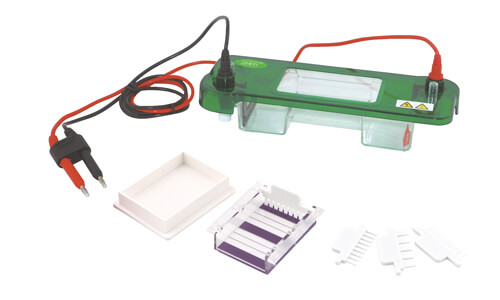
Horizontal electrophoresis systems play a crucial role in laboratories focusing on molecular biology, genomics, and proteomics. Their ability to separate nucleic acids and proteins effectively makes them indispensable in various research settings. However, as laboratories increasingly adopt Laboratory Information Management Systems (LIMS) for data management, it becomes essential to consider how well these electrophoresis systems integrate with such platforms. This article will explore the specific capabilities of several horizontal electrophoresis models, focusing on their suitability for LIMS integration and data digitalization.
Understanding Horizontal Electrophoresis with a Focus on LIMS Integration
Horizontal electrophoresis is a method utilized for separating macromolecules, such as DNA, RNA, and proteins, based on their size. The integration of these systems with LIMS enhances the workflow in laboratories by improving data tracking, sample management, and compliance with regulatory standards. Effective integration involves ensuring that the electrophoresis equipment can communicate seamlessly with the LIMS, facilitating automated data capture, real-time monitoring, and data storage.
Key Features for Successful LIMS Integration
When selecting horizontal electrophoresis systems, certain technical features significantly influence their compatibility with LIMS. These include:
- Connectivity Options: Systems that offer USB, Ethernet, or wireless networking capabilities are preferable for seamless integration.
- Data Export Formats: Compatibility with common data formats (like CSV or XML) ensures smooth data transfer to the LIMS.
- Software Integration: Look for systems that provide API access or support middleware solutions to bridge data between the electrophoresis unit and LIMS.
Comparison of Available Models
| Model | Gel Size (W x L) | Sample Volume | Buffer Volume | Dimensions (L x W x H) | Net Weight | Best for |
|---|---|---|---|---|---|---|
| YR03415 | 186 x 205 mm | 3, 5, 9 | ~150 ml | 250 x 90 x 50 mm | 0.4 Kg | General use; versatile experiments |
| YR03416 | 78 x 100 mm | 10, 15 | ~400 ml | 365 x 105 x 55 mm | 0.6 Kg | Small sample runs |
| YR03417 | 60 x 60 mm; 120 x 60 mm | 3, 6, 8, 11, 13, 18, 25 | ~550 ml | 300 x 160 x 75 mm | 1.1 Kg | Varied sample sizes; adaptable |
| YR03418 | 140 x 140 mm; 140 x 70 mm | 1, 2, 3, 6, 14, 8, 17, 13, 29 | ~900 ml | 390 x 187 x 63 mm | 2.0 Kg | High-throughput needs |
| YR03419 | 130 x 130 mm; 78 x 100 mm | 3, 5, 10, 15, 13, 26 | ~600 ml | 305 x 152 x 80 mm | 1.7 Kg | Multiple assay types |
| YR03420 | 200 x 200 mm; 200 x 150 mm | 17, 22, 36, 44 | ~1,800 ml | 397 x 230 x 93 mm | 3.3 Kg | Large sample volumes |
Common Mistakes and How to Avoid Them
When selecting horizontal electrophoresis systems, laboratories often make common mistakes that can hinder LIMS integration and data digitalization:
- Ignoring System Compatibility: Always review the specifications for connectivity and data formats supported by the electrophoresis unit.
- Neglecting User Training: Ensure staff understand both the electrophoresis system and LIMS to optimize data management effectively.
- Overlooking Maintenance Needs: Regular upkeep of both equipment and software ensures longevity and consistent performance.
Benefits of LIMS Integration in Horizontal Electrophoresis
The integration of LIMS with horizontal electrophoresis systems offers multiple benefits that enhance laboratory productivity and data integrity:
- Data Accuracy: Automated data entry minimizes human errors, ensuring reliable results.
- Enhanced Traceability: Integration allows for comprehensive tracking of samples and results throughout the testing process.
- Operational Efficiency: Streamlined processes lead to faster turnaround times and improved laboratory throughput.
Quantitative Analysis of Costs and Benefits
When considering LIMS integration with horizontal electrophoresis, it’s essential to perform a quantitative analysis of costs versus benefits. Below is a sample cost matrix breaking down initial and operational costs associated with each model:
| Model | Initial Cost (USD) | Annual Operating Cost (USD) | Estimated Lifetime (Years) | Cost per Test (USD) |
|---|---|---|---|---|
| YR03415 | 81.00 | 30.00 | 5 | 0.90 |
| YR03416 | 136.80 | 50.00 | 5 | 1.50 |
| YR03417 | 183.00 | 70.00 | 5 | 1.80 |
| YR03418 | 201.00 | 90.00 | 5 | 2.00 |
| YR03419 | 201.00 | 80.00 | 5 | 2.00 |
| YR03420 | 330.60 | 120.00 | 5 | 3.00 |
Frequently Asked Questions
How does LIMS integration enhance horizontal electrophoresis data management?
LIMS integration enhances data management in horizontal electrophoresis by automating data capture and improving traceability. For instance, the YR03415 model allows for seamless connectivity, ensuring that results are automatically uploaded to the LIMS for easy access and analysis.
What are the key connectivity features to look for in horizontal electrophoresis systems?
Key connectivity features include USB, Ethernet, and wireless capabilities. For example, models like YR03416 offer Ethernet connectivity for direct linking to LIMS, facilitating real-time data sharing and reducing manual entry errors.
Which horizontal electrophoresis model is best for high-throughput labs?
The YR03418 model is optimal for high-throughput laboratories as it supports larger sample volumes and faster processing times, making it ideal for applications requiring rapid results while integrating seamlessly with LIMS.
How can I ensure regulatory compliance with my horizontal electrophoresis data?
To ensure regulatory compliance, select models like YR03420 that offer features for comprehensive data tracking and traceability. These are essential for adhering to standards like ISO 17025, ensuring all laboratory processes align with regulatory requirements.
What are the common costs associated with horizontal electrophoresis systems?
Common costs include initial purchase price, annual operating costs, and consumables. For example, the YR03417 model has an initial cost of $183.00, with an estimated annual operating cost of $70.00, making it a cost-effective choice for many labs.
How do I choose the right horizontal electrophoresis system for my laboratory?
Choosing the right system involves assessing your laboratory’s specific needs, such as sample volume, gel size, and integration capabilities with LIMS. Models like YR03419 provide versatility for multiple assay types, making them suitable for diverse applications.
What role does automation play in horizontal electrophoresis?
Automation in horizontal electrophoresis simplifies workflows and minimizes manual handling. The YR03416 model, for example, features automated data capture, which enhances efficiency and accuracy, allowing labs to focus on data interpretation rather than data entry.
How does LIMS integration streamline laboratory workflows?
LIMS integration streamlines workflows by automating data transfer and tracking samples throughout their lifecycle. The YR03415 model, with its data export capabilities, allows for smooth integration with existing LIMS, facilitating enhanced laboratory efficiency.
If you want to ensure an effective integration of horizontal electrophoresis systems with LIMS and digitalize your laboratory data efficiently, request a quote on Kalstein Plus.
If you are looking for a fusion of innovation and quality, you have come to the right place. At Kalstein, we offer you the luxury of exploring our exclusive catalog of laboratory equipment. We manufacture every device to the highest standards of excellence. Our intuitive and seamless online purchasing channels are designed for your convenience, securing the most competitive prices. Hesitate no longer — we bring science to life, it is time to become part of our community.