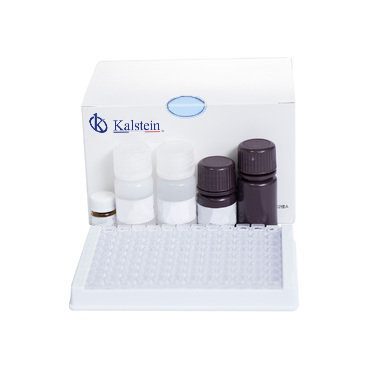
Clinical Chemistry Reagents: Best Techniques and Protocols in 2026
What is it used for in 2026
In 2026, clinical chemistry reagents are pivotal in laboratory settings, facilitating a wide array of biochemical analyses. These reagents are utilized to determine the chemical composition of various samples, including those related to liver function, cardiac enzyme indices, renal function, and electrolytes in blood gases. The precision and reliability of results provided by these reagents make them essential tools in both clinical diagnostics and research environments.
History and evolution of the technology
The journey of clinical chemistry reagents began with simple chemical compounds used in basic analyses. Over decades, the technology has evolved significantly, transitioning to more sophisticated formulations that enhance accuracy and efficiency. The integration of automation and advanced methodologies has further refined the application of these reagents in laboratories, allowing for higher throughput and reliability in test results.
How to use it step by step
- Preparation: Gather all necessary reagents, calibration solutions, and samples to be tested.
- Calibration: Ensure that the equipment is properly calibrated according to the manufacturer’s specifications.
- Sample Handling: Follow specific protocols for sample collection, preservation, and preparation to avoid contamination.
- Application: Introduce the reagents to the samples as per the established protocols for each analysis.
- Analysis: Allow the reactions to occur for the specified duration, and then measure the results using appropriate analytical methods.
- Result Interpretation: Analyze the results in conjunction with clinical guidelines to reach conclusions.
- Documentation: Record all findings and maintain compliance with laboratory regulations.
Best techniques and protocols
To achieve optimal results with clinical chemistry reagents, following best practices is essential. Techniques such as proper dilution of reagents, temperature control during analyses, and regular maintenance of laboratory equipment should be prioritized. Additionally, employing automation where possible can enhance precision and reduce human error.
Practical applications by laboratory type
Depending on the type of laboratory—whether clinical, research, or industrial—the applications of clinical chemistry reagents vary:
- Clinical Laboratories: Used for routine testing, including liver and kidney function tests.
- Research Laboratories: Essential for experimental studies that require biochemical analysis of samples.
- Industrial Laboratories: Applied in quality control processes to analyze chemical compositions in products.
Regulations, standards and certifications
Compliance with industry regulations and standards is crucial in laboratory settings. Clinical chemistry reagents must meet specifications outlined by organizations such as the FDA and ISO. Regular audits and certifications ensure that laboratories are maintaining high standards in safety and quality assurance practices.
Comparison with alternative technologies
While clinical chemistry reagents are widely used, alternative technologies such as point-of-care testing devices and enzymatic assay kits offer different advantages. Point-of-care devices provide rapid results at the site of care, while enzymatic assays can offer higher specificity for certain analyses. However, traditional clinical chemistry reagents remain preferred for their reliability and broader applicability.
Comparison of available models
| Model | Best for | Key specs | Recommended use case |
|---|---|---|---|
| YRA1 | Liver function tests | 48ml x 2, 12ml x 2, 120ml, IFCC ALT | Routine biochemical analysis |
| YRA2 | Cardiac enzyme indices | 48ml x 2, 12ml x 2, 120ml, IFCC AST | Diagnostic testing for myocardial infarction |
| YRA3 | GGT enzyme levels | 48ml x 2, 16ml x 2, 128ml, SZASZ method | Investigating liver conditions |
| YRA4 | Albumin measurement | 20ml x 8, 160ml | Protein level assessments |
| YRA5 | Bilirubin analysis | 48ml x 2, 12ml x 2, 120ml | Evaluating liver function |
| YRA6 | Oxidation assays | 48ml x 2, 12ml x 2, 120ml | Advanced biochemical analysis |
Common mistakes and how to avoid them
Some frequent mistakes in using clinical chemistry reagents include:
- Poor sample handling: Always follow protocols for sample collection and storage to prevent contamination.
- Incorrect calibration: Regularly calibrate equipment before use to ensure accurate measurements.
- Inadequate training: Ensure all laboratory personnel are trained on the correct use of reagents and equipment.
Maintenance, calibration and good practices 2026
For optimal functioning of clinical chemistry reagents, regular maintenance and calibration are essential. This includes cleaning and servicing analytical equipment, checking expiration dates of reagents, and adhering to storage conditions. Implementing a checklist for routine maintenance can help ensure compliance with best practices.
Cost-benefit analysis 2026
When considering the cost-benefit ratio of clinical chemistry reagents, factors such as reliability, accuracy, and turnaround time must be evaluated. While initial costs may be higher, the long-term benefits of reduced errors and improved patient outcomes can justify the investment.
Frequently asked questions
What are the key factors to consider when choosing clinical chemistry reagents?
Factors such as accuracy, specificity, and cost-effectiveness are crucial when selecting clinical chemistry reagents for laboratory use. Additionally, consider the compatibility with the existing laboratory equipment and the volume of testing required.
How should clinical chemistry reagents be stored?
Clinical chemistry reagents should be stored in a cool, dry place, away from direct sunlight and extreme temperatures. Always refer to the manufacturer's instructions for specific storage recommendations.
What is the importance of calibration in laboratory testing?
Calibration is essential in laboratory testing to ensure the accuracy and consistency of results. It helps to maintain the reliability of the analytical equipment used for testing.
Can clinical chemistry reagents be used for point-of-care testing?
While primarily designed for laboratory use, some clinical chemistry reagents can be adapted for point-of-care testing, depending on the specific requirements and protocols of the test.
How do I maintain compliance with laboratory regulations?
Maintaining compliance involves regular audits, ensuring that all laboratory practices align with industry standards, and continuously updating protocols based on regulatory changes.
What are the common troubleshooting steps for clinical chemistry analysis?
Common troubleshooting steps include checking reagent integrity, verifying instrument calibration, and ensuring proper sample handling techniques. If issues persist, consult the manufacturer for support.
What should I do if I encounter inconsistent results?
If inconsistent results are encountered, review the entire testing process, from sample collection to analysis. Check for any deviations from standard protocols, and recalibrate equipment if necessary.
If you are looking for a fusion of innovation and quality, you have come to the right place. At Kalstein, we offer you the luxury of exploring our exclusive catalog of laboratory equipment. We manufacture every device to the highest standards of excellence. Our intuitive and seamless online purchasing channels are designed for your convenience, securing the most competitive prices. Hesitate no longer — we bring science to life, it is time to become part of our community.