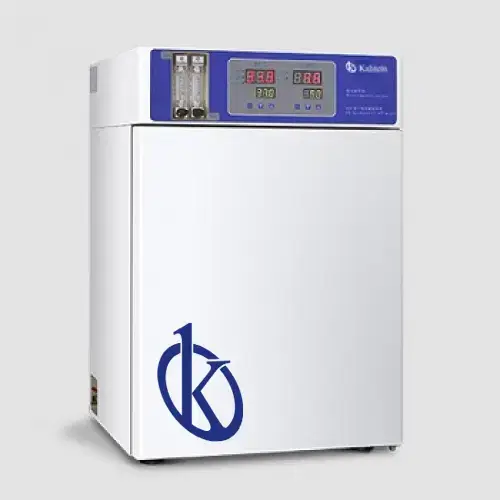
CO₂ Incubator: Practical Step-by-Step Usage Guide for 2026
What is it used for in 2026
In 2026, CO₂ incubators are essential tools in laboratory environments, primarily used for cultivating cells, tissues, and bacteria. They provide a controlled environment crucial for various applications such as immunology, oncology, genetics, and bioengineering. The precise control of carbon dioxide concentration and temperature allows researchers to create optimal conditions for cell growth, making CO₂ incubators invaluable in microbiological research, agricultural science, drug production, and more.
History and evolution of the technology
The development of CO₂ incubators has evolved significantly since their inception. Initially, incubators relied on basic temperature control without precise CO₂ regulation. With advancements in technology, modern CO₂ incubators now feature microprocessor controls that maintain stable temperature and gas concentration, improving experimental reliability. The integration of UV sterilization lamps and improved heating systems has further enhanced their functionality, minimizing contamination risks and ensuring optimal growth conditions.
How to use it step by step
Using a CO₂ incubator effectively requires a systematic approach. Here’s a step-by-step guide:
- Preparation: Ensure that the incubator is clean and calibrated. Check that all components, including CO₂ levels and temperature settings, are within specified ranges.
- Loading samples: Place your culture flasks or plates inside the incubator. Ensure that there is adequate space for air circulation and avoid overcrowding.
- Setting parameters: Input the required temperature (usually between 37°C) and CO₂ concentration (typically around 5%) settings on the incubator’s control panel.
- Monitoring: Regularly check the incubator’s readings to ensure all conditions remain stable. Utilize built-in alarms for any deviations from set parameters.
- Data recording: Document growth conditions and results to maintain a reliable record for future reference.
- Maintenance: Conduct routine maintenance checks, including cleaning and calibration of sensors and components.
Best techniques and protocols
Implementing best practices during usage ensures optimal results. Some recommended techniques include:
- Use sterile techniques when handling cultures to avoid contamination.
- Regularly calibrate temperature and CO₂ sensors, ideally bi-monthly, to maintain accuracy.
- Implement a routine cleaning schedule to prevent microbial growth and contamination.
- Utilize humidification systems to maintain appropriate humidity levels, especially for sensitive cultures.
Practical applications by laboratory type
CO₂ incubators find application across various laboratory types:
- Medical Research Laboratories: For cell line maintenance in drug testing and development.
- Biotechnology Firms: In genetic engineering and biopharmaceuticals.
- Microbiology Labs: For growing bacterial cultures and conducting microbial analysis.
- Agricultural Research: Used for plant tissue cultures and genetic studies.
Regulations, standards and certifications
Laboratories using CO₂ incubators must adhere to specific regulations and standards. Key considerations include:
- Compliance with ISO standards for laboratory equipment.
- Adherence to GLP (Good Laboratory Practices) for maintaining accurate records and quality control.
- Regular audits and certifications to ensure the equipment meets industry standards.
Comparison with alternative technologies
While CO₂ incubators are widely used, alternatives such as air-jacketed incubators and direct heat incubators exist. Each technology has its advantages:
- Air-Jacketed Incubators: Typically offer better temperature uniformity but may not always provide precise CO₂ control.
- Direct Heat Incubators: Allow for rapid temperature recovery but can have uneven heating patterns.
Comparison of available models
| Model | Best for | Key specs | Recommended use case |
|---|---|---|---|
| YR02048 | Cell, tissue, and bacteria culture | Temperature range: RT + 5 ~ 60°C, CO₂ control: 0 ~ 20% | Microorganism research and drug production |
| YR02049 | Cell, tissue, and bacteria culture | Temperature range: RT + 5 ~ 60°C, CO₂ control: 0 ~ 20% | Oncology and genetics research |
| YR02049-1 | Cell cultivation and microbiological research | Temperature range: RT + 5 ~ 55°C, CO₂ control: 0 ~ 20% | Pathology and life sciences studies |
Common mistakes and how to avoid them
Common pitfalls in using CO₂ incubators include:
- Overcrowding: Leads to uneven temperature and CO₂ distribution. Maintain adequate space between samples.
- Neglecting calibration: Inaccurate settings can compromise results. Schedule regular calibrations.
- Ignoring contamination risks: Ensure proper sterilization of equipment and follow aseptic techniques.
Maintenance, calibration and good practices 2026
To ensure longevity and effective performance of CO₂ incubators, implement the following practices:
- Conduct regular cleaning, focusing on surfaces and internal components to prevent contamination.
- Calibrate temperature and CO₂ sensors at least bi-monthly.
- Check and replace HEPA filters as required to maintain air quality.
Cost-benefit analysis 2026
Investing in CO₂ incubators provides numerous advantages, including:
- Improved experimental results due to stable growth conditions.
- Reduced contamination risk leading to fewer failed experiments.
- Enhanced productivity in laboratories through reliable technology.
While the initial investment may be significant, the long-term benefits and efficiencies gained justify the expense.
Frequently asked questions
What should I consider when choosing a CO₂ incubator?
Consider the size, temperature range, CO₂ control accuracy, and any additional features such as UV sterilization or humidity control for your specific laboratory needs.
How do I maintain my CO₂ incubator?
Regularly clean the interior and exterior, calibrate the sensors, replace filters, and monitor performance to ensure optimal operation.
What kind of samples can I use in a CO₂ incubator?
You can use a variety of samples, including cell cultures, bacterial cultures, and tissue samples, ensuring they are appropriate for the incubator's conditions.
How often should I calibrate the CO₂ incubator?
It is recommended to calibrate the incubator at least every two months or as required by your laboratory protocols.
What are the signs of contamination in my cultures?
Signs include unexpected color changes, turbidity, or abnormal growth patterns in the cultures, which may indicate contamination.
Is it necessary to use a humidity control system?
While not always necessary, humidity control can be crucial for specific sensitive cultures and can help prevent evaporation and concentration changes.
How do I effectively load samples into the incubator?
Ensure proper spacing between samples to allow for ventilation and avoid overcrowding, which can lead to inconsistent growth conditions.
If you are looking for a fusion of innovation and quality, you have come to the right place. At Kalstein, we offer you the luxury of exploring our exclusive catalog of laboratory equipment. We manufacture every device to the highest standards of excellence. Our intuitive and seamless online purchasing channels are designed for your convenience, securing the most competitive prices. Hesitate no longer — we bring science to life, it is time to become part of our community.