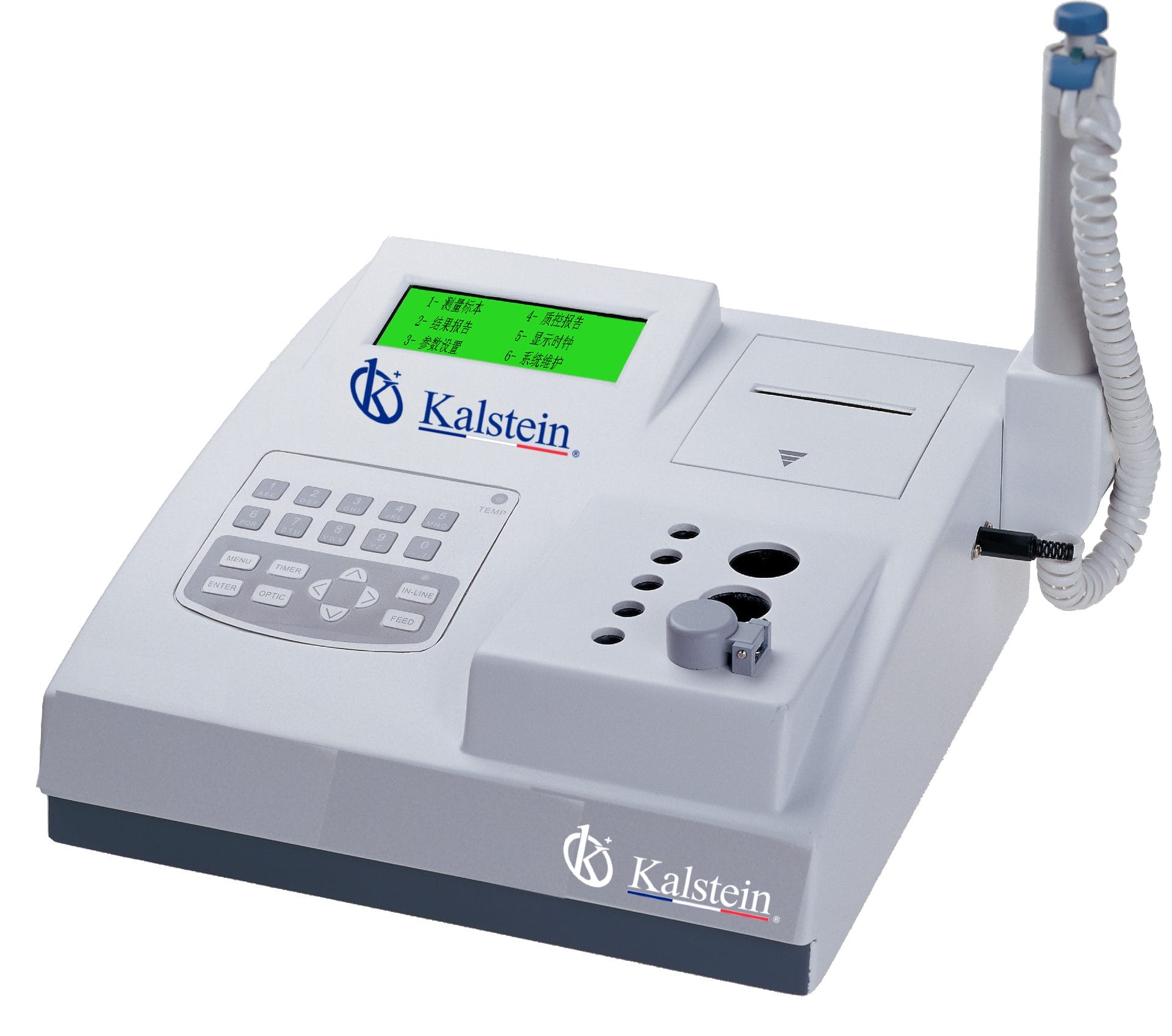
Coagulation Analyzers: Common Mistakes and How to Avoid Them in Daily Operation 2026
Coagulation analyzers are critical tools used in laboratories for monitoring blood coagulation parameters. Their effective use is pivotal in providing accurate patient diagnosis and treatment. In this article, we will discuss the common mistakes in the operation of coagulation analyzers and how to avoid them, ensuring optimal performance and reliability in 2026.
What is it used for in 2026
In 2026, coagulation analyzers are primarily utilized for the assessment of blood coagulation disorders. They are essential for determining the functionality of various coagulation factors in the blood, which helps in diagnosing conditions such as deep vein thrombosis, pulmonary embolism, and other clotting disorders. These analyzers also play a vital role in monitoring patients undergoing anticoagulant therapy, managing bleeding disorders, and guiding surgical decisions.
History and evolution of the technology
The development of coagulation analyzers has evolved significantly over the years. Initially, manual methods were employed to monitor coagulation parameters, which were time-consuming and prone to errors. The introduction of automated systems revolutionized the field, providing quicker and more accurate results. Over time, advancements in optical technology and reagents have improved the sensitivity and specificity of these devices, making modern coagulation analyzers indispensable in clinical laboratories.
How to use it step by step
Using a coagulation analyzer involves several key steps:
- Preparation: Ensure the analyzer is calibrated and all consumables are in place.
- Sample Collection: Collect blood samples in appropriate tubes, ensuring minimal contamination.
- Loading Samples: Load the samples into the analyzer, following the manufacturer’s guidelines.
- Running Tests: Select the desired coagulation tests on the device's interface.
- Results Analysis: Once tests are complete, analyze the results and ensure they are within expected ranges.
- Documentation: Record the results accurately in the laboratory information system (LIS).
- Cleaning: After use, clean the analyzer according to the manufacturer's maintenance instructions.
Best techniques and protocols
To ensure the best outcomes when using coagulation analyzers, consider the following techniques and protocols:
- Regular calibration and maintenance of the analyzer to ensure accuracy.
- Use of high-quality reagents to avoid false results.
- Thorough training for laboratory personnel on operating procedures.
- Regular quality control assessments to validate test results.
- Proper handling and storage of blood samples prior to testing.
Practical applications by laboratory type
Coagulation analyzers find applications in various laboratory settings, including:
- Clinical Laboratories: Routine testing for anticoagulant monitoring.
- Surgical Centers: Preoperative coagulation assessments.
- Research Laboratories: Studies on coagulation pathways and disorders.
- Emergency Departments: Rapid testing for trauma and bleeding patients.
Regulations, standards and certifications
Coagulation analyzers must comply with various regulations and certifications to ensure their reliability and safety. Standards from organizations such as the International Organization for Standardization (ISO) and the Clinical Laboratory Improvement Amendments (CLIA) set forth guidelines on performance, accuracy, and quality control. Compliance with these standards is essential for laboratories to maintain accreditation and ensure high-quality patient care.
Comparison with alternative technologies
Coagulation analyzers are often compared with other diagnostic technologies, such as:
- Manual Methods: While manual methods are cost-effective, they are labor-intensive and susceptible to human error.
- Point-of-Care Devices: These devices offer rapid results but may lack the accuracy of laboratory analyzers.
- Traditional Coagulation Tests: Generally slower and less efficient compared to modern automated systems.
Comparison of available models
| Model | Best for | Key specs | Recommended use case |
|---|---|---|---|
| YR05117 | Routine testing of PT and APTT | Low reagent consumption, memory for 10,000 tests | Small to medium-sized laboratories |
| YR05118 | Comprehensive coagulation testing | 4 test channels, 24 pre-warming positions | Medium to large laboratories |
| YR06083 | High throughput coagulation testing | Automated features, fast processing time | Large clinical laboratories |
| YR06082 | Advanced coagulation studies | Multiple test capabilities, high precision | Research and specialized laboratories |
Common mistakes and how to avoid them
Common mistakes in the operation of coagulation analyzers often lead to inaccurate results. Here are some frequent errors and tips to avoid them:
- Improper Sample Handling: Always follow proper protocols for collecting and storing samples to prevent hemolysis.
- Calibration Neglect: Schedule regular calibrations to ensure accuracy; ignore this at your peril.
- Ignoring Quality Control: Implement daily quality control checks to catch any discrepancies early.
- Inadequate Training: Ensure all laboratory personnel are thoroughly trained on equipment usage and troubleshooting.
- Inconsistent Documentation: Maintain accurate and consistent records for all tests performed.
Maintenance, calibration and good practices 2026
Maintaining coagulation analyzers in 2026 requires a proactive approach:
- Establish a routine maintenance schedule based on the manufacturer's recommendations.
- Perform regular calibrations using standard control materials to ensure precision.
- Keep the analyzer clean and free from contamination to ensure longevity.
- Train staff to recognize signs of malfunction and address them promptly.
Cost-benefit analysis 2026
Investing in coagulation analyzers offers numerous benefits for laboratories:
- Efficiency: Automating testing reduces labor costs and turnaround times.
- Accuracy: Improved accuracy leads to better patient outcomes and fewer retests.
- Reliability: High-quality analyzers last longer, reducing the need for frequent replacements.
- Compliance: Meeting regulatory standards protects the laboratory’s reputation and accreditation.
Frequently asked questions
What are the main factors to consider when choosing a coagulation analyzer?
When selecting a coagulation analyzer, consider factors such as the volume of tests required, types of tests needed, user-friendliness, maintenance costs, and compliance with regulatory standards.
How often should coagulation analyzers be calibrated?
Calibration should be performed regularly, ideally daily before use or according to the manufacturer's specifications to ensure accurate results.
What types of reagents are best for coagulation testing?
High-quality, clinically validated reagents that are compatible with the coagulation analyzer should be used to ensure reliability and accuracy in testing.
How can I reduce the risk of errors during testing?
To minimize errors, implement strict protocols for sample handling, ensure regular maintenance and calibration of the analyzer, and provide comprehensive training for laboratory staff.
What should I do if I get unexpected test results?
If unexpected results occur, verify the calibration of the analyzer, check the quality of reagents, and consider retesting the sample or reviewing sample handling procedures.
How can I ensure compliance with laboratory regulations?
Stay informed about relevant regulations and standards, conduct regular training for staff, and maintain detailed records of all testing and maintenance activities to demonstrate compliance.
Where can I request a quote for a coagulation analyzer?
You can request a quote for coagulation analyzers on the Kalstein platform, where we offer a wide range of laboratory equipment tailored to your needs.
If you are looking for a fusion of innovation and quality, you have come to the right place. At Kalstein, we offer you the luxury of exploring our exclusive catalog of laboratory equipment. We manufacture every device to the highest standards of excellence. Our intuitive and seamless online purchasing channels are designed for your convenience, securing the most competitive prices. Hesitate no longer — we bring science to life, it is time to become part of our community.