Common Mistakes and How to Avoid Them in Daily Operations
Universal Power Supplies (UPS) have become essential in laboratory environments, providing the necessary power stability for various experiments and instruments. However, improper usage and misunderstandings can lead to significant operational errors. This article aims to address common mistakes and provide guidance on best practices for using Universal Power Supplies effectively in 2026.
What is it used for in 2026
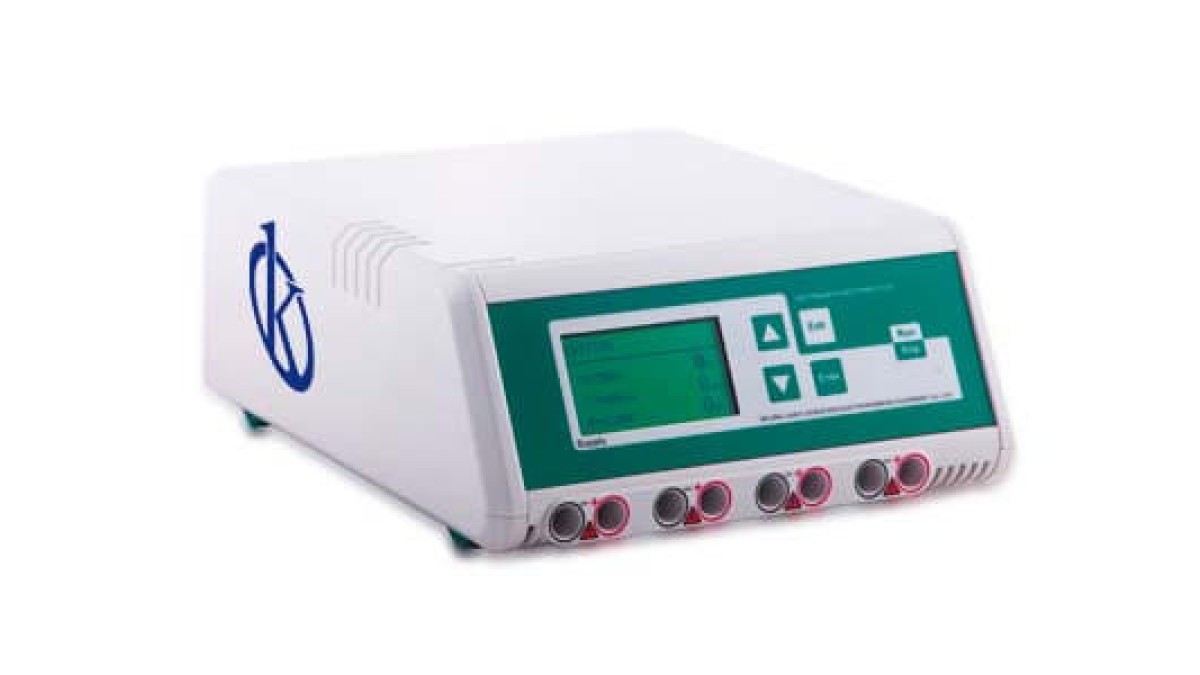
Universal Power Supplies serve a crucial role in laboratory settings, enabling the consistent delivery of required electrical power to various instruments, thus ensuring their optimal performance. They are used in applications such as electrophoresis, spectrophotometry, and various automated laboratory processes. With the advancements in technology, these devices now offer enhanced features such as memory storage for methods, real-time monitoring, and fault detection, enhancing both efficiency and reliability in laboratory operations.
History and evolution of the technology
The evolution of Universal Power Supplies has been driven by the growing complexity of laboratory equipment and the increasing demand for precision in research. Originally, these devices were simple voltage regulators. Over the years, advancements in microprocessor technology have led to the development of more sophisticated systems that include features such as dual-core microcontrollers, touchscreen controls, and enhanced safety protocols. This evolution has transformed them into indispensable components in modern laboratories.
How to use it step by step
Using a Universal Power Supply involves several key steps to ensure optimal performance and safety:
- Setup: Place the power supply on a stable surface, ensuring it is away from direct sunlight and moisture.
- Connect: Attach the output cables to the load or device ensuring proper polarity and secure connections.
- Power On: Turn on the power supply and select the desired voltage and current settings.
- Monitor: Continuously check the display readings to ensure they match the required parameters for your experiment.
- Adjust: Make any necessary adjustments to voltage or current based on real-time data.
- Shutdown: After completing the experiments, turn off the device safely and disconnect all cables.
Best techniques and protocols
When working with Universal Power Supplies, adopting best practices can significantly enhance operational efficiency:
- Calibration: Regularly calibrate the power supply to maintain accuracy.
- Documentation: Keep detailed records of settings used for different experiments for future reference.
- Safety Checks: Conduct safety checks before and after each use to prevent electrical hazards.
- Training: Ensure all personnel are trained on the operation and safety protocols associated with the equipment.
Practical applications by laboratory type
Universal Power Supplies are utilized across various laboratory types, including:
- Research Laboratories: For powering sophisticated analytical equipment.
- Clinical Labs: To support diagnostics and testing devices.
- Educational Institutions: In teaching laboratories for hands-on experiments.
Regulations, standards and certifications
In 2026, laboratories using Universal Power Supplies must adhere to various regulations and standards to ensure safety and quality, including:
- ISO 9001: Quality management systems.
- IEC 60950: Safety of information technology equipment.
- CE Marking: Indicates compliance with European standards.
Comparison with alternative technologies
While Universal Power Supplies offer many advantages, alternatives such as battery-powered systems and solar power supplies are also available. However, they may lack the stability and high output capabilities necessary for demanding laboratory applications. A comparison table can help illustrate the differences:
| Technology | Advantages | Disadvantages |
|---|---|---|
| Universal Power Supply | Stable output, multiple configurations, fault detection | Requires mains connection, cost |
| Battery-Powered Systems | Portability, independence from electricity | Limited power, need for recharging |
| Solar Power Supplies | Eco-friendly, renewable energy source | Dependence on sunlight, limited output |
Comparison of available models
| Model | Best for | Key specs | Recommended use case |
|---|---|---|---|
| YR03400-2 | High current applications | 10-600 V, 1-500 mA, 1-300 W | Electrophoresis and high-voltage experiments |
| YR03396-2 | Standard laboratory use | 5-300 V, 1-400 mA, 1-120 W | General laboratory research |
| YR03395-2 | High current applications | 5-200 V, 1-2000 mA, 1-200 W | Intensive electrophoresis tasks |
| YR03397-2 | Medium to high current applications | 5-300 V, 1-1500 mA, 1-450 W | Research demanding high power |
| YR03398-2 | Versatile laboratory tasks | 10-600 V, 1-500 mA, 1-300 W | General and specialized experiments |
| YR03399-2 | Flexible applications | 10-600 V, 1-500 mA, 1-300 W | Multi-purpose laboratory use |
Common mistakes and how to avoid them
Laboratory professionals often make several common mistakes when using Universal Power Supplies. Awareness of these errors can significantly improve efficiency and safety:
- Incorrect voltage settings: Always double-check voltage settings before powering equipment to avoid damage. Utilize the memory storage feature to retrieve previous configurations.
- Neglecting safety features: Familiarize yourself with the fault detection system to ensure immediate response to any issues.
- Inadequate training: Ensure all personnel are adequately trained in the device's operation and safety protocols.
Maintenance, calibration and good practices 2026
Proper maintenance and calibration of Universal Power Supplies are vital for optimal performance:
- Regular Calibration: Schedule calibration checks at least once a year to ensure the accuracy of outputs.
- Routine Maintenance: Conduct routine inspections to check for signs of wear or damage.
- Documentation: Keep detailed maintenance logs to track service history and performance.
Cost-benefit analysis 2026
When considering the purchase of a Universal Power Supply, a cost-benefit analysis is essential. Evaluate the initial investment against the potential increase in efficiency, accuracy, and reliability of laboratory processes. Factors to consider include:
- Initial Costs: Compare the prices of different models against the features offered.
- Operational Savings: Assess the long-term savings due to reduced errors and increased efficiency.
- Return on Investment: Calculate the expected return based on improved laboratory performance.
Frequently asked questions
What should I consider when choosing a Universal Power Supply?
When selecting a Universal Power Supply, consider factors such as output voltage range, current capacity, available features, and compatibility with your laboratory instruments. Additionally, think about the level of user-friendliness and safety features.
How can I ensure the safety of the Universal Power Supply while in use?
To ensure safety, regularly inspect the power supply for any damage, utilize safety features, and ensure all connections are secure. Training users on safe operating procedures is also essential.
What are the benefits of using memory storage features?
Memory storage features allow you to save previously used settings for quick retrieval, enhancing efficiency and reducing the risk of human error.
How often should I calibrate my Universal Power Supply?
It is recommended to calibrate your Universal Power Supply at least once a year or more frequently if used in critical applications to ensure accuracy and reliability.
Can I use a Universal Power Supply for various laboratory applications?
Yes, Universal Power Supplies are versatile and can be used for a wide range of laboratory applications, including electrophoresis and general research tasks, making them an excellent investment for labs.
What common mistakes should I avoid when using a Universal Power Supply?
Common mistakes include setting incorrect voltage, neglecting safety features, and failing to provide adequate training for users. Awareness and adherence to best practices can significantly reduce these errors.
If you are looking for a fusion of innovation and quality, you have come to the right place. At Kalstein, we offer you the luxury of exploring our exclusive catalog of laboratory equipment. We manufacture every device to the highest standards of excellence. Our intuitive and seamless online purchasing channels are designed for your convenience, securing the most competitive prices. Hesitate no longer — we bring science to life, it is time to become part of our community.