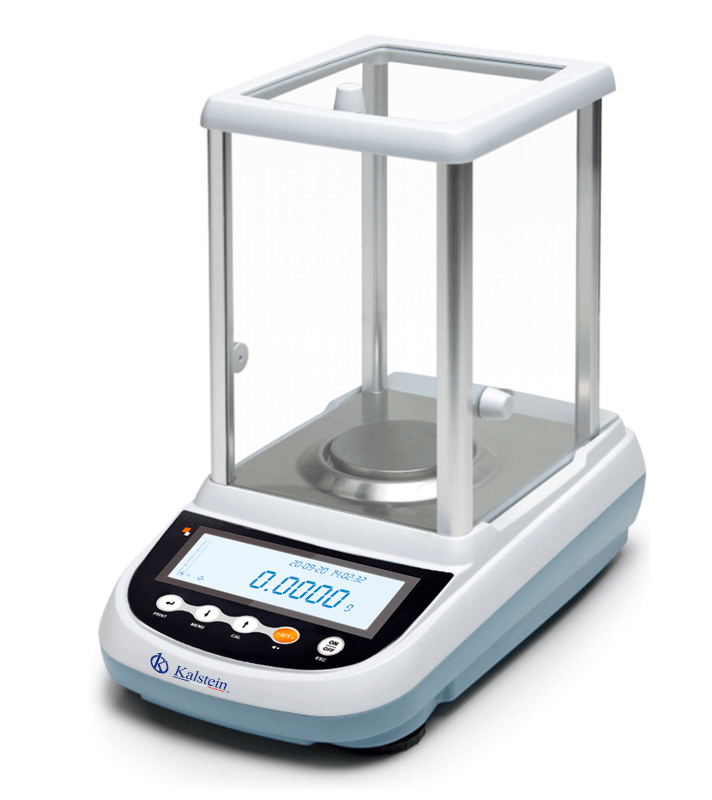
Comparative Analysis of Analytical Balances: Choosing the Right Model
In the modern laboratory environment, selecting the right analytical balance is critical to achieving precise results. Analytical balances are designed for measuring mass with high accuracy and are utilized in various applications across laboratories, including chemical analysis, pharmaceuticals, and research. This article provides a comprehensive comparative analysis of several models of analytical balances, focusing on their features and specifications to aid laboratory professionals in making informed decisions.
Understanding the Importance of Choosing the Right Analytical Balance
Choosing the right analytical balance involves understanding both the technical specifications and the specific requirements of your laboratory operations. Factors such as resolution, capacity, calibration capabilities, and environmental conditions must be considered. A well-selected analytical balance not only improves measurement precision but also enhances overall laboratory efficiency.
Comparison of Available Models
| Model | Capacity (g) | Resolution (g) | Price (USD) | Best for |
|---|---|---|---|---|
| YR05568 | 220 | 0.1 mg | 790.00 | General laboratory use |
| YR05569 | 310 | 0.1 mg | 825.00 | Higher capacity requirements |
| YR05570 | 410 | 0.1 mg | 1080.00 | Complex formulations |
| YR05571 | 510 | 0.1 mg | 1125.00 | Industrial applications |
| YR05572 | 610 | 0.1 mg | 1240.00 | Heavy-duty laboratory tasks |
| YR05573 | 100 | 0.0001 g | 325.00 | Jewelry and precision tasks |
Key Performance Features of Analytical Balances
Analytical balances such as the YR05568 and YR05572 are known for their high stability and sensitivity. The internal calibration feature ensures that measurements are accurate despite environmental changes. With capacities ranging from 100g to 610g, these balances cater to a variety of applications, from basic laboratory tasks to industrial needs.
Calibration and Stability: What to Consider
Calibration is a crucial aspect of maintaining the accuracy of analytical balances. Models like the YR05573 feature automatic internal calibration, providing consistent results over time. Stability in measurements is another important factor; for instance, the YR05570 provides stable readings in less than four seconds, essential for efficient laboratory operations.
Technical Specifications and Their Impact on Performance
The technical specifications of analytical balances directly affect their performance. A resolution of 0.1 mg is standard in models like YR05569, suitable for most laboratory applications. However, for higher-precision needs, the YR05573 offers a readability of 0.0001 g, making it ideal for tasks requiring extreme accuracy.
Common Mistakes and How to Avoid Them
Laboratory professionals often make mistakes when selecting analytical balances. Common errors include neglecting the importance of environmental conditions such as temperature and draft, which can affect measurement accuracy. Additionally, failing to consider the specific application requirements can lead to purchasing a model that does not meet the laboratory's needs. Always thoroughly evaluate the specifications against laboratory requirements before making a decision.
Frequently Asked Questions
What features should I prioritize when selecting an analytical balance?
When selecting an analytical balance, prioritize features such as internal calibration, capacity, and resolution. For example, the YR05568 offers a capacity of 220 grams and a resolution of 0.1 mg, making it suitable for general laboratory applications.
How does the capacity of an analytical balance affect its usability?
The capacity of an analytical balance affects its usability by determining the maximum weight that can be measured. For instance, the YR05572 has a capacity of 610 grams, making it ideal for heavy-duty laboratory tasks requiring precise measurements.
Which analytical balance model is best for high precision measurements?
The YR05573 model is excellent for high precision measurements with a readability of 0.0001 g. It's particularly useful in applications involving jewelry or laboratory scenarios where extreme accuracy is crucial.
How often should an analytical balance be calibrated for optimal performance?
Analytical balances should ideally be calibrated daily, especially if used frequently or in varying conditions. Models like the YR05570 provide internal calibration features that help maintain accuracy over time.
What is the typical price range for high-quality analytical balances?
The price range for high-quality analytical balances varies significantly, typically starting around $325 for basic models like the YR05573 and going up to $1240 for advanced options like the YR05572, depending on features and specifications.
Which analytical balance is best for laboratory research applications?
For laboratory research applications, the YR05570 is a strong contender due to its capacity of 410 grams and high resolution, making it suitable for complex formulations and precise measurements in research settings.
How do I ensure my analytical balance maintains accurate measurements?
To ensure your analytical balance maintains accurate measurements, regularly calibrate it as per the manufacturer's guidelines, avoid placing it in drafty areas, and ensure it is leveled correctly on a stable surface.
If you are looking for a fusion of innovation and quality, you have come to the right place. At Kalstein, we offer you the luxury of exploring our exclusive catalog of laboratory equipment. We manufacture every device to the highest standards of excellence. Our intuitive and seamless online purchasing channels are designed for your convenience, securing the most competitive prices. Hesitate no longer — we bring science to life, it is time to become part of our community.