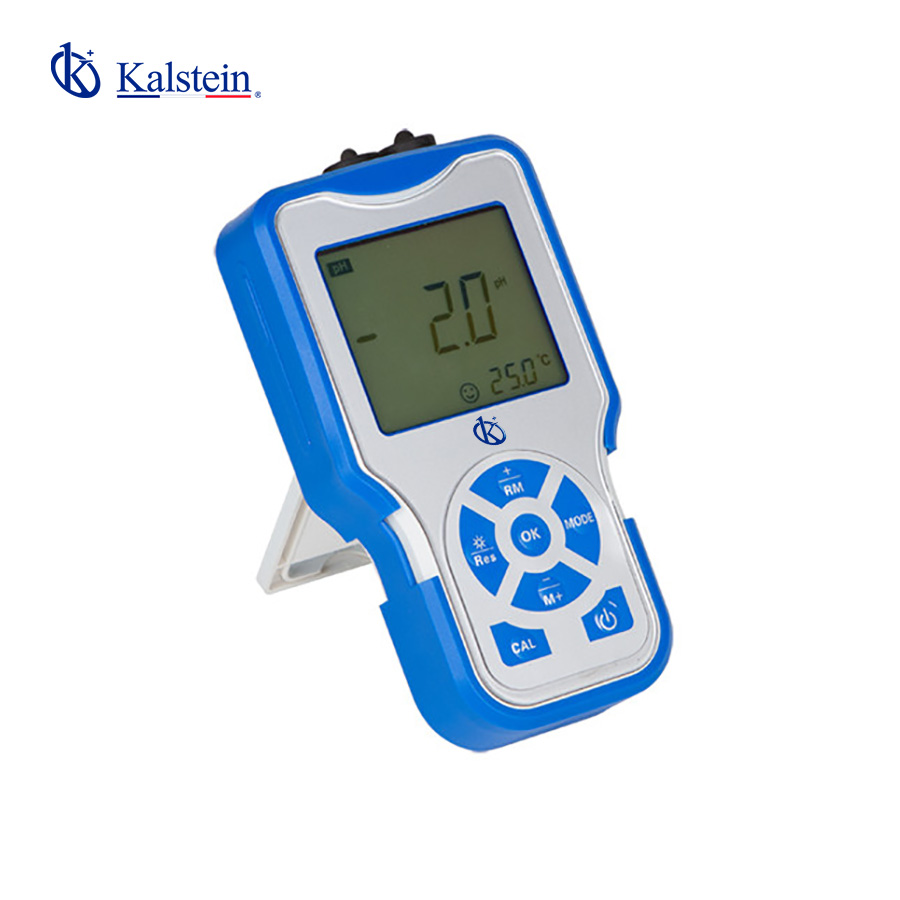
Comparative Analysis of Portable Ion Meters: Choosing the Right Technology
In the ever-evolving landscape of laboratory technology, portable ion meters are vital tools for accurate ion concentration measurements across various applications. This article presents a comparative analysis of different models of portable ion meters, focusing specifically on their unique features, advantages, and ideal use cases. By understanding the differences among these devices, laboratory professionals can make informed decisions that enhance their operations and result accuracy.
Understanding Portable Ion Meters
Portable ion meters are designed for convenient and accurate measurement of ion concentrations in various samples, including water, soil, and biological fluids. These meters enable field testing and laboratory analysis with precision, offering different modes for measuring pH, oxidation-reduction potential (ORP), and specific ion concentrations. Their portability makes them indispensable in environmental monitoring, industrial processes, and research applications.
Comparison of Available Models
| Model | Price (USD) | Key Features | Best For |
|---|---|---|---|
| YR01816 | 94.00 | 2-5 point calibration, LED display, ion concentration readings | General lab use |
| YR01817-1 | 229.00 | Low to high concentration calibration, multiple unit options | Outdoor testing |
| YR01817-10 | 500.00 | Professional meter, extensive calibration options, temperature compensation | Advanced ion analysis |
| YR01817-11 | 500.00 | High accuracy, multiple concentration units, field applications | Industrial monitoring |
| YR01817-12 | 500.00 | Calibration flexibility, LCD display, temperature compensation | Research environments |
| YR01817-13 | 500.00 | Professional-level features, high precision, outdoor suitability | Field data collection |
Comparative Advantages of Each Model
YR01816: Versatility in Measurement
The YR01816 model stands out for its multiparameter capabilities, allowing users to measure pH, ORP, and ion concentrations accurately. With calibration selectable from 2 to 5 points, it offers flexibility that suits a range of applications from routine testing to more specialized analyses. Its competitive pricing and user-friendly interface make it ideal for general laboratory use.
YR01817-1: Professional Ammonium Ion Meter
Designed specifically for ammonium ion measurement, the YR01817-1 excels in outdoor applications, featuring a robust design and an intuitive LCD display. This model allows for calibration across a broad concentration range from 0.001 to 10000 PPM, ensuring precise readings for environmental monitoring and agricultural applications.
YR01817-10: Enhanced Accuracy and Functionality
The YR01817-10 model is geared towards professionals seeking high accuracy in ion measurement. It supports multiple calibration points and temperature compensation, making it suitable for laboratory environments where precision is paramount. This model's extensive features cater to advanced testing scenarios, particularly in research settings.
YR01817-11: Industrial Application Ready
This model is tailored for industrial monitoring, featuring high accuracy and versatility in measurement. The YR01817-11 supports various concentration units (PPM, MG/L, MOL/L) and provides temperature compensation, which adds reliability to field data collection efforts. Its robust design is a plus for harsh working environments.
YR01817-12 and YR01817-13: Professional Grade Performance
Both the YR01817-12 and YR01817-13 models offer similar professional functionalities such as extensive calibration capabilities and high precision. Their suitability for demanding applications makes them popular choices among researchers and field analysts who need reliable data across different testing conditions.
Common Mistakes and How to Avoid Them
Laboratory professionals often make several common mistakes when selecting portable ion meters. Here are some key pitfalls and strategies to avoid them:
- Neglecting Calibration Needs: Ensure that the selected meter offers the appropriate calibration options required for your specific applications.
- Overlooking Portability: Examine portability features such as weight and battery life to ensure that the device is suitable for fieldwork.
- Ignoring Resolution and Accuracy: Different models offer varied accuracy levels; it is crucial to select a meter that meets your precision requirements.
- Failing to Assess Environmental Conditions: Consider the working conditions in which the meter will be used, such as temperature and humidity, to select a model with the necessary robustness.
Frequently Asked Questions
How do I choose the best portable ion meter for environmental testing?
Choosing the best portable ion meter for environmental testing depends on several factors, including the specific ions you need to measure and the meter's calibration capabilities. For instance, the YR01817-1 is ideal for ammonium ion measurements with extensive calibration options.
What features should I look for in a portable ion meter for lab use?
When selecting a portable ion meter for lab use, look for features such as multiple calibration points, high accuracy, and a clear display. The YR01816 offers 2-5 point calibration and a user-friendly interface, making it a solid choice for laboratory environments.
Which portable ion meter is best for outdoor applications?
The YR01817-1 model excels in outdoor applications due to its rugged design and ability to measure low to high concentration ranges. Its automatic temperature compensation feature further enhances its usability in fluctuating environmental conditions.
How accurate are portable ion meters compared to stationary models?
Portable ion meters, such as the YR01817-10, can match the accuracy of stationary models when calibrated correctly. Their design allows for precise measurements, making them reliable for both field and lab applications.
What calibration frequency is recommended for portable ion meters?
It is recommended to calibrate portable ion meters regularly, ideally before each use or daily in high-demand environments. The YR01817-11 supports multiple calibration points, ensuring that readings remain accurate over time.
Can portable ion meters be used for multiple ion types?
Yes, models like the YR01816 are designed to measure various ion types, including pH and ORP, making them versatile tools for laboratory professionals who require multiparameter analysis.
What is the typical lifespan of a portable ion meter?
The lifespan of a portable ion meter can vary, but with proper care and regular calibration, devices like the YR01817-12 can last several years, providing reliable performance throughout their usage.
Conclusion
Understanding the comparative strengths and features of various portable ion meters is essential for laboratory professionals. Each model offers unique benefits suited to specific testing environments and applications. By carefully evaluating your needs and the capabilities of each model, you can select the ideal portable ion meter that enhances your laboratory workflow and provides accurate, reliable data.
If you are looking for a fusion of innovation and quality, you have come to the right place. At Kalstein, we offer you the luxury of exploring our exclusive catalog of laboratory equipment. We manufacture every device to the highest standards of excellence. Our intuitive and seamless online purchasing channels are designed for your convenience, securing the most competitive prices. Hesitate no longer — we bring science to life, it is time to become part of our community.