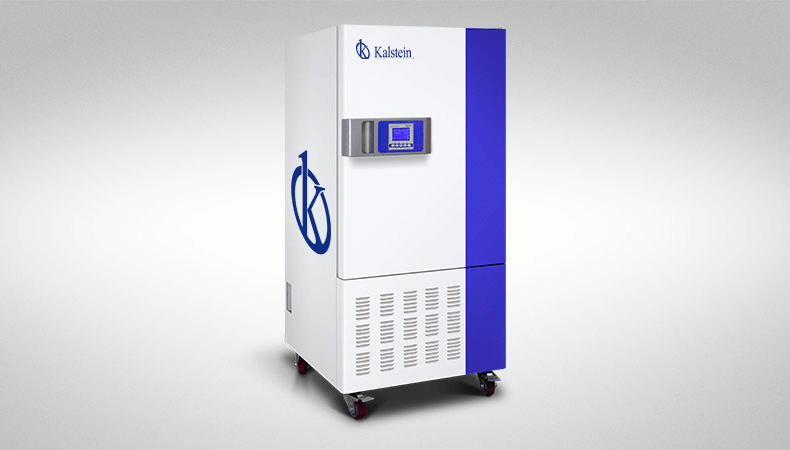
Comprehensive Drug Stability Test Chambers: Common Mistakes and How to Avoid Them in Daily Operations 2026
What is it used for in 2026
The Comprehensive Drug Stability Test Chambers are essential tools in pharmaceutical laboratories, allowing scientists and quality control professionals to assess the stability of drug products under controlled conditions. These chambers simulate various environmental factors such as temperature, humidity, and light exposure, thereby facilitating accelerated and long-term stability testing for pharmaceutical products and new drug formulations.
History and evolution of the technology
The technology behind stability test chambers has evolved significantly over the years. Initially, simple temperature-controlled environments were used, which lacked humidity or lighting controls. Modern comprehensive chambers, like the YR05354, YR05355, and YR05356 models, incorporate advanced PID microprocessor controllers, allowing for precise control over environmental conditions. This evolution has enabled more accurate and reliable stability testing, crucial for meeting regulatory standards.
How to use it step by step
- Determine the stability testing requirements based on the drug product formulation.
- Select the appropriate model (YR05354, YR05355, or YR05356) based on the specific needs such as humidity control and light exposure.
- Set the desired temperature and humidity levels on the chamber's PID control system.
- Place the drug samples inside the chamber, ensuring they are securely positioned.
- Initiate the stability test, monitoring the conditions regularly through the chamber's digital interface.
- Conduct periodic assessments of the samples per the testing schedule.
- Document all findings accurately for further analysis and compliance reporting.
Best techniques and protocols
Implementing best practices involves following established protocols for stability testing. Utilizing the correct loading procedures, ensuring calibration of equipment, and maintaining a clean testing environment are crucial. Additionally, it is advisable to follow ICH guidelines for stability testing, which recommend specific conditions based on product type (e.g., accelerated, intermediate, and long-term testing).
Practical applications by laboratory type
Pharmaceutical laboratories utilize Comprehensive Drug Stability Test Chambers for various purposes, including:
- Testing the stability of new drug formulations during the development phase.
- Conducting long-term stability studies to meet regulatory requirements.
- Evaluating the effects of extreme environmental conditions on product quality.
Regulations, standards and certifications
It is essential for laboratories using stability test chambers to adhere to industry regulations such as those set by the FDA, EMA, and ICH. Compliance with Good Manufacturing Practices (GMP) and obtaining ISO certifications are also crucial for maintaining quality and safety standards in laboratory operations.
Comparison with alternative technologies
While there are alternative methods for stability testing, such as using environmental chambers or simple temperature-controlled incubators, Comprehensive Drug Stability Test Chambers provide superior accuracy and flexibility. The ability to control multiple environmental variables simultaneously makes them invaluable for thorough stability assessments.
Comparison of available models
| Model | Best for | Key specs | Recommended use case |
|---|---|---|---|
| YR05354 | Long-term stability testing | Temperature: 10~65 ℃ (with lighting), 0~60 ℃ (without lighting) Humidity: 50~90% HR | Ideal for pharmaceutical applications requiring consistent light and humidity control. |
| YR05355 | Accelerated stability studies | Temperature: 10~65 ℃ (with lighting), 0~60 ℃ (without lighting) Humidity: 50~90% HR | Designed for rapid testing protocols and conditions for product development. |
| YR05356 | High humidity exposure testing | Temperature: 10~65 ℃ (with lighting), 0~60 ℃ (without lighting) Humidity: 50~90% HR | Best suited for testing products vulnerable to moisture and light. |
Common mistakes and how to avoid them
Common mistakes in operating Comprehensive Drug Stability Test Chambers include:
- Improper calibration: Ensure regular calibration of the chamber to maintain accuracy.
- Ignoring documentation: Always document each test condition and result to ensure traceability.
- Inadequate training: Train staff thoroughly on using the equipment and understanding protocols.
Maintenance, calibration and good practices 2026
Regular maintenance of stability test chambers includes cleaning, checking seals, and ensuring proper airflow. Calibration should be performed at least annually or whenever significant changes in performance are noted. Good practices involve establishing a routine schedule for maintenance and incorporating training sessions for all personnel involved in testing procedures.
Cost-benefit analysis 2026
Investing in Comprehensive Drug Stability Test Chambers may seem costly initially; however, the benefits gained from accurate stability testing far outweigh the costs. By ensuring product quality and compliance with regulations, laboratories can save money in potential recalls or product failures, making it a wise investment in the long run.
Frequently asked questions
What are the key factors to consider when choosing a stability test chamber?
Consider factors such as the required temperature and humidity ranges, light exposure needs, and the chamber's capacity to handle the volume of samples you need to test.
How often should I calibrate my stability test chamber?
Calibration should be performed at least once a year, or more frequently if the chamber shows significant variations in environmental conditions.
What is the importance of documentation in stability testing?
Documentation is crucial for ensuring compliance with regulatory authorities and for tracking the stability data over time. It provides a clear history of testing conditions and results.
Can I use the chamber for other types of testing beyond drug stability?
While these chambers are primarily designed for drug stability testing, they can also be used for testing other temperature and humidity-sensitive products as needed.
What should I do if I notice inconsistencies in temperature readings?
Investigate the cause immediately, and if necessary, recalibrate the chamber. If the problem persists, consult a technician for maintenance.
How do I ensure the correct placement of samples inside the chamber?
Position samples at least a few inches apart to allow for proper airflow. Avoid overcrowding to ensure uniform conditions throughout the chamber.
What are the best practices for loading samples into the test chamber?
Always load samples according to a predetermined plan, ensuring that the chamber is not overloaded and that samples are secured properly to prevent movement during testing.
If you are looking for a fusion of innovation and quality, you have come to the right place. At Kalstein, we offer you the luxury of exploring our exclusive catalog of laboratory equipment. We manufacture every device to the highest standards of excellence. Our intuitive and seamless online purchasing channels are designed for your convenience, securing the most competitive prices. Hesitate no longer — we bring science to life, it is time to become part of our community.