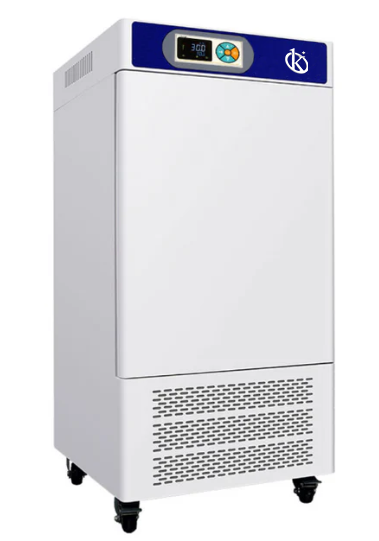
Constant Temperature and Humidity Incubators: ROI and Cost-Benefit Analysis for Laboratories 2026
Laboratories across various fields rely heavily on Constant Temperature and Humidity Incubators to ensure precise environmental conditions for experiments and processes. Understanding the return on investment (ROI) and conducting a cost-benefit analysis is crucial for laboratory professionals when selecting the right model for their specific applications. This article delves into the financial implications of investing in Constant Temperature and Humidity Incubators, focusing on three models: YR02053, YR02054, and YR02055, comparing their features, costs, and benefits.
Framing the Importance of Constant Temperature and Humidity Incubators
The function of Constant Temperature and Humidity Incubators is critical in various laboratory settings, including pharmaceuticals, environmental protection, and biological research. These devices provide stable conditions for biological samples, ensuring reproducibility and accuracy in experimental results. In 2026, laboratories are looking at these incubators not just as equipment but as investments that can yield significant financial returns by optimizing research processes and reducing waste. The integration of advanced technology in these incubators has further enhanced their efficiency and utility.
Comparison of Available Models
| Model | CAPEX (USD) | Cost per Test (USD) | Payback Period (Months) | Recommended Scenario |
|---|---|---|---|---|
| YR02053 | 1010.00 | 0.50 | 12 | Environmental testing |
| YR02054 | 1140.00 | 0.60 | 14 | Pharmaceutical research |
| YR02055 | 1430.00 | 0.75 | 16 | Advanced biological studies |
Common Mistakes and How to Avoid Them
One common mistake in selecting Constant Temperature and Humidity Incubators is overlooking the specific needs of the laboratory. Each model, such as YR02053, YR02054, and YR02055, has distinct specifications that cater to different requirements. Another frequent error is underestimating the total cost of ownership — knowing not only the initial capital expenditure (CAPEX) but also operational costs over time can guide better decision-making. By analyzing factors like energy consumption and maintenance requirements, labs can avoid unanticipated expenses.
Understanding ROI for Constant Temperature and Humidity Incubators
Return on investment (ROI) for Constant Temperature and Humidity Incubators involves evaluating both direct and indirect benefits. Direct benefits include enhanced reproducibility of experiments and reduced product loss due to environmental factors. Indirect benefits might involve improved employee satisfaction due to better working conditions. For instance, with YR02053, a laboratory can expect a payback period of approximately 12 months, making it a financially sound choice.
Cost-Benefit Analysis of Each Model
When performing a cost-benefit analysis, it is essential to examine the expenses and advantages associated with each incubator model. For example, while YR02055 has a higher upfront cost, its advanced features may justify the expense in a high-throughput lab environment. A quantitative breakdown shows that the cost per test for YR02055 is $0.75, whereas YR02053 and YR02054 offer lower costs per test but may not meet the same level of demand in terms of capacity and features.
Energy Consumption and Sustainability Considerations
Sustainability is becoming increasingly crucial in laboratory operations. Analyzing the energy consumption of Constant Temperature and Humidity Incubators can reveal significant savings over time. For example, YR02053 has a power consumption of 0.4 kW, making it a more energy-efficient option for smaller labs. In contrast, YR02055, while consuming more energy, may deliver greater overall productivity due to its capacity, thus presenting a different sustainability profile.
Key Features that Enhance Laboratory Productivity
The design and features of Constant Temperature and Humidity Incubators significantly affect laboratory productivity. Features such as automatic defrosting, dual-door designs, and built-in lighting in models like YR02054 streamline workflows. Laboratories can optimize time spent on sample handling and monitoring, translating to increased sample throughput and reduced bottlenecks. Investing in models that offer these features can lead to a more efficient laboratory environment.
Future Trends in Constant Temperature and Humidity Incubators
As we look towards the future, the trend in Constant Temperature and Humidity Incubators is leaning towards greater automation and connectivity. Labs in 2026 may see these incubators integrated with LIMS solutions, enabling real-time monitoring and data collection. Such technological advancements can enhance data accuracy and facilitate better decision-making, ultimately impacting the ROI positively.
Frequently Asked Questions
How does the ROI of a Constant Temperature and Humidity incubator compare in 2026?
The ROI for Constant Temperature and Humidity incubators like YR02053 in 2026 can be quite favorable, with a payback period of around 12 months, making it a strong investment for labs requiring stable environmental conditions.
What is the cost per test for YR02054 in 2026?
The cost per test for the Constant Temperature and Humidity incubator YR02054 is approximately $0.60, providing a balance between upfront investment and operational efficiency in laboratory settings.
How to choose between YR02053 and YR02055 for my lab?
Choosing between YR02053 and YR02055 depends on your lab's throughput requirements. YR02055, with higher capacity and features, may be ideal for high-demand environments, while YR02053 serves well in smaller labs focused on cost efficiency.
What are the energy savings of using YR02053?
Using the Constant Temperature and Humidity incubator YR02053, which has a power consumption of 0.4 kW, can lead to significant energy savings, especially in laboratories running extended operations.
How can I maximize the benefits of Constant Temperature and Humidity incubators?
Maximizing the benefits involves selecting the right model for your laboratory needs, such as YR02054 for pharmaceutical applications, and ensuring proper maintenance to sustain operational efficiency.
What features should I prioritize in a Constant Temperature and Humidity incubator for research?
When selecting a Constant Temperature and Humidity incubator for research, prioritize features like temperature accuracy, humidity control, and ease of use, as seen in the YR02055 model, which excels in these areas.
What is the typical payback period for Constant Temperature and Humidity incubators?
The typical payback period for Constant Temperature and Humidity incubators like YR02053 is around 12 months, making them a worthwhile investment for laboratories focused on efficiency and precision.
How does model YR02054 support sustainability in my lab?
Model YR02054 supports sustainability through its energy-efficient design and reduced resource consumption, helping laboratories decrease their environmental footprint while maintaining performance.
If you are looking for a fusion of innovation and quality, you have come to the right place. At Kalstein, we offer you the luxury of exploring our exclusive catalog of laboratory equipment. We manufacture every device to the highest standards of excellence. Our intuitive and seamless online purchasing channels are designed for your convenience, securing the most competitive prices. Hesitate no longer — we bring science to life, it is time to become part of our community.