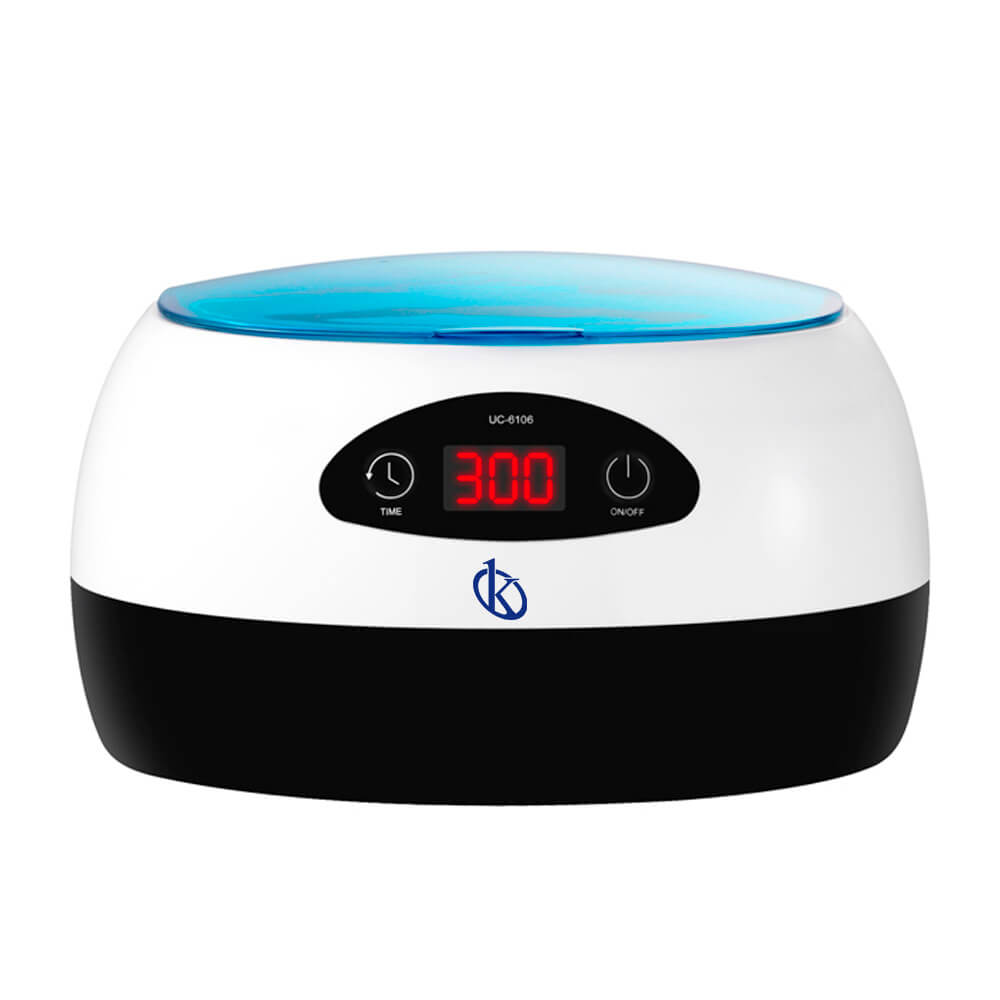
Cost-Benefit Analysis and ROI for Digital Desktop Ultrasonic Cleaners
In the world of laboratory equipment, Digital Desktop Ultrasonic Cleaners have gained significant traction due to their efficiency and versatility. This article aims to provide an in-depth cost-benefit analysis and return on investment (ROI) calculations for these devices, focusing primarily on the models available in the market. Understanding the financial implications of investing in ultrasonic cleaners is crucial for laboratory professionals looking to optimize their cleaning processes.
Understanding the Financial Implications of Digital Desktop Ultrasonic Cleaners
Digital Desktop Ultrasonic Cleaners offer a unique solution for effectively cleaning delicate laboratory instruments without manual scrubbing. However, a laboratory needs to consider the cost associated with acquiring, operating, and maintaining such a device. The major components of the financial implications include initial capital expenditure (CAPEX), operating expenses (OPEX), and the expected lifespan of the equipment, which typically varies among different models.
ROI Metrics: Understanding Return on Investment
Return on investment (ROI) is a key metric in evaluating the effectiveness and efficiency of laboratory equipment choices. For Digital Desktop Ultrasonic Cleaners, ROI can be calculated by comparing the total costs against the benefits gained from improved cleaning efficiency, reduced labor costs, and enhanced lifespan of the instruments being cleaned. This involves calculating the payback period and cost per cleaning cycle.
Comparison of Available Models
| Model | CAPEX (USD) | Cost per Cleaning Cycle (USD) | Payback Period (Months) | Recommended Scenario |
|---|---|---|---|---|
| YR05231 | 16.20 | 0.10 | 3 | Jewelry cleaning |
| YR05232 | 32.40 | 0.15 | 4 | General household items |
| YR05229 | 15.60 | 0.08 | 2 | Lens cleaning |
| YR05230 | 41.20 | 0.20 | 5 | Dental instruments |
Key Features Impacting ROI
Several key features significantly influence the ROI of Digital Desktop Ultrasonic Cleaners. These include the cleaning capacity, the effectiveness of the ultrasonic frequency, and the range of adjustable settings that allow customization for different cleaning tasks. The more versatile the cleaner, the higher its potential ROI, as it can handle various applications without the need for multiple devices.
Common Mistakes and How to Avoid Them
Laboratory professionals often make several common mistakes when purchasing and using Digital Desktop Ultrasonic Cleaners. One prevalent error is not considering the specific cleaning needs of the lab, leading to the selection of inappropriate models. Another mistake is underestimating the importance of maintenance, which can significantly affect performance and longevity. Always ensure to follow the manufacturer’s guidelines for use and maintenance.
Frequently Asked Questions
How to calculate the ROI for a Digital Desktop Ultrasonic Cleaner?
Calculating the ROI for a Digital Desktop Ultrasonic Cleaner involves comparing its initial costs, like the YR05230 priced at $41.20, against the savings from reduced manual cleaning labor and improved cleaning efficiency. It’s essential to consider annual operating costs to derive a comprehensive ROI.
What are the average cleaning costs for ultrasonic cleaners in laboratories?
The average cleaning cost for ultrasonic cleaners, such as the YR05232 model at $32.40, typically ranges from $0.08 to $0.20 per cycle, heavily influenced by the type of items being cleaned and the cleaning solution used.
Which Digital Desktop Ultrasonic Cleaner provides the best ROI for dental applications?
The YR05230, with a capacity of 2.5L and a cleaning cost of $0.20, is ideal for dental applications, offering effective cleaning of instruments like dental tools while ensuring a worthwhile ROI through reduced maintenance costs.
How long do Digital Desktop Ultrasonic Cleaners typically last?
Digital Desktop Ultrasonic Cleaners generally last several years with proper maintenance. Models like the YR05231 can offer longevity if maintained properly, making them a cost-effective choice for long-term laboratory use.
What factors affect the cost per cleaning cycle of ultrasonic cleaners?
The cost per cleaning cycle for ultrasonic cleaners, such as the YR05229 at $15.60, is influenced by factors such as the cleaning solution used, the frequency of cleaning, and the model’s efficiency. Understanding these can help in predicting operational costs.
How can I maximize the efficiency of my ultrasonic cleaner?
To maximize efficiency, ensure to use the recommended cleaning solutions and maintain the ultrasonic cleaner regularly. The YR05232’s adjustable time settings can also help tailor cleaning cycles for different materials, enhancing cleaning performance.
What maintenance practices should be followed for ultrasonic cleaners?
Maintaining ultrasonic cleaners, such as the YR05230, involves regular cleaning of the tank, replacing cleaning solutions, and following the manufacturer’s guidelines for operation and maintenance to ensure optimal performance and longevity.
Conclusion
In conclusion, evaluating the cost-benefit analysis and ROI of Digital Desktop Ultrasonic Cleaners is essential for laboratory professionals. By understanding the financial implications and comparing available models, labs can make informed decisions that optimize their cleaning processes and improve overall efficiency. If you are looking for a fusion of innovation and quality, you have come to the right place. At Kalstein, we offer you the luxury of exploring our exclusive catalog of laboratory equipment. We manufacture every device to the highest standards of excellence. Our intuitive and seamless online purchasing channels are designed for your convenience, securing the most competitive prices. Hesitate no longer — we bring science to life, it is time to become part of our community.