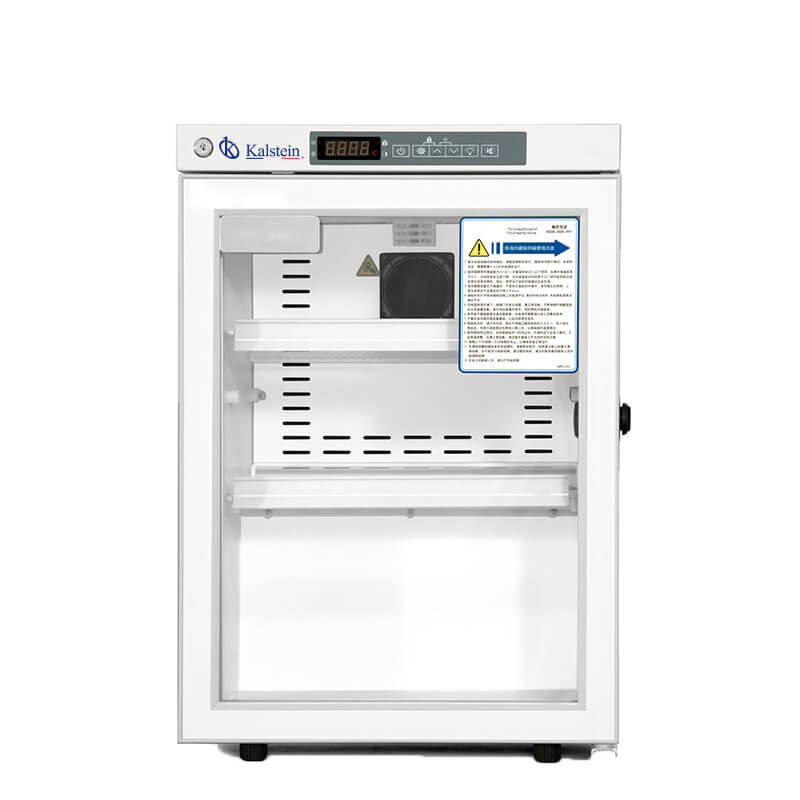
Cost-Benefit Analysis and ROI Strategies in Medical Refrigerators
In the realm of laboratory management, particularly for those handling sensitive materials, the choice of medical refrigerators is pivotal. Understanding the financial implications through a detailed cost-benefit analysis and evaluating the return on investment (ROI) can significantly enhance operational efficiency and compliance with industry standards. This article delves deep into how laboratory professionals can leverage these strategies when selecting medical refrigerators.
Understanding the Importance of Cost-Benefit Analysis in Medical Refrigerators
A cost-benefit analysis helps laboratory managers estimate the strengths and weaknesses of alternatives when making business decisions. For medical refrigerators, this involves evaluating the upfront costs, operational expenses, and potential savings or revenue generated from maintaining optimal storage conditions. Each model can offer different features impacting both initial investment and long-term savings.
Evaluation Criteria for Medical Refrigerators
When assessing medical refrigerators, laboratory professionals should focus on several key evaluation criteria, including:
- Initial purchase cost (CAPEX)
- Operational cost (OPEX)
- Energy efficiency and consumption
- Storage capacity and temperature stability
- Compliance with industry regulations and standards
Comparative Analysis of Medical Refrigerator Models
To provide a clearer understanding of how specific models measure up in terms of ROI and cost-effectiveness, we've compiled a comparison of various medical refrigerators. This table outlines critical metrics that laboratory professionals should consider:
| Model | CAPEX (USD) | Energy Consumption (kWh/24h) | Temperature Range (°C) | Best Use Case |
|---|---|---|---|---|
| YR05083 | $280.00 | 0.84 | 2-8 | Basic storage with high temperature alert features |
| YR05085 | $770.00 | 3.97 | 2-8 | High-capacity vaccine storage |
| YR05086 | $1,220.00 | 5.75 | 2-8 | Enhanced stability for sensitive pharmaceuticals |
| YR05087 | $1,400.00 | 6.23 | 2-8 | High-demand medical facilities |
| YR05286-1 | $1,190.00 | Optimized (not specified) | 2-8 | Pharmacy-grade cooler for diverse product ranges |
| YR05288 | $560.00 | 2.2 | 2-8 | Cost-effective solution for general laboratory use |
Calculating ROI for Medical Refrigerators
To truly understand the financial benefits of investing in specific medical refrigerators, it’s essential to calculate the ROI. The formula for ROI is:
ROI = (Net Profit / Cost of Investment) x 100
For instance, if a laboratory spends $1,220.00 on the YR05086 model and anticipates a saving of $500.00 annually due to its energy efficiency and reliability, the ROI would be calculated as follows:
ROI = (($500 - $1,220) / $1,220) x 100 = -59.84%
This negative ROI indicates that while the initial purchase may seem high, the model’s reliability and operational savings will need to be factored in over time.
Common Mistakes and How to Avoid Them
Laboratory professionals often fall into several traps when choosing medical refrigerators. Common mistakes include:
- Overlooking energy consumption in favor of initial cost
- Failing to consider storage needs and temperature stability
- Not evaluating warranty and service agreements
- Ignoring regulatory compliance aspects
Avoid these mistakes by conducting thorough evaluations and consulting manufacturers for detailed specifications.
Frequently Asked Questions
What factors should I consider for ROI on medical refrigerators?
When assessing ROI for medical refrigerators like the YR05086, consider factors such as initial costs, energy efficiency (5.75 kWh/24h), and savings from reduced energy bills over time.
How do I calculate the total cost of ownership for a medical refrigerator?
Total cost of ownership includes the purchase price, ongoing maintenance costs, energy consumption (like $1,220.00 for YR05086), and expected lifespan savings. This holistic view aids in comprehensive budgeting.
How can energy efficiency impact my lab's operational costs?
Energy-efficient models such as the YR05288, which consumes only 2.2 kWh/24h, can significantly lower monthly bills, thus improving your lab's overall profitability and sustainability.
What is the average lifespan of a medical refrigerator?
The average lifespan of a medical refrigerator like the YR05085 can range from 10 to 15 years, which is crucial for calculating long-term ROI and cost benefits.
Which medical refrigerator model is best for high-demand laboratories?
The YR05087 model is best suited for high-demand labs due to its robust features and reliability, ensuring vital samples are stored securely.
What compliance standards should my medical refrigerator meet?
Models like the YR05286-1 meet numerous compliance standards suitable for pharmacy-grade applications, ensuring the safety and efficacy of temperature-sensitive materials.
How often should I perform maintenance on a medical refrigerator?
Regular maintenance for models such as the YR05086, at least twice a year, is recommended to ensure optimal performance and compliance with safety standards.
How do different refrigerants impact my laboratory's operational costs?
Models using refrigerants such as R600a (like YR05083) might offer lower operational costs due to better efficiency and environmental compliance, ultimately affecting overall expenditures.
If you are looking for a fusion of innovation and quality, you have come to the right place. At Kalstein, we offer you the luxury of exploring our exclusive catalog of laboratory equipment. We manufacture every device to the highest standards of excellence. Our intuitive and seamless online purchasing channels are designed for your convenience, securing the most competitive prices. Hesitate no longer — we bring science to life, it is time to become part of our community.