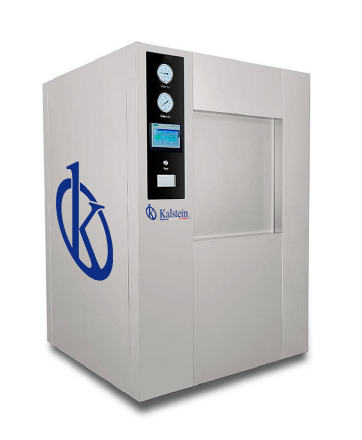
How to Analyze Cost-Benefit and Return on Investment for Vertical Autoclaves
Vertical autoclaves are essential for laboratory sterilization, especially in medical and research settings. Understanding the cost-benefit analysis and return on investment (ROI) for these devices is crucial for laboratory professionals. This article will explore different models, their functionalities, and how to assess their economic impact to enhance laboratory operations.
Understanding Cost-Benefit Analysis in Laboratory Sterilization
Cost-benefit analysis (CBA) is a vital process that helps laboratory managers determine the economic feasibility of investments like vertical autoclaves. By comparing the total expected costs with the benefits derived from their use, labs can make informed decisions. The benefits include decreased contamination risks, improved workflow efficiency, and compliance with safety regulations.
In the context of vertical autoclaves, CBA involves evaluating factors such as initial investment, maintenance costs, and the lifespan of the equipment against the potential savings in operational costs and increased productivity.
ROI Metrics for Vertical Autoclaves
Return on investment (ROI) is a key performance indicator that measures the profitability of an investment. For vertical autoclaves, several metrics can be analyzed:
- Initial Investment: The upfront costs associated with purchasing the autoclave.
- Operational Costs: Ongoing expenses for maintenance, utilities, and consumables.
- Payback Period: The time required to recover the initial investment from the net benefits.
- Annual Savings: Cost reductions achieved through improved sterilization processes.
Comparison of Available Models
| Model | Price (USD) | Control System | Best For | Payback Period (Months) | Annual Savings Estimate (USD) |
|---|---|---|---|---|---|
| YR05653 | 13030.00 | Electronic | General laboratory use | 24 | 5000 |
| YR05653-1 | 14394.00 | Electronic | Pharmaceutical applications | 26 | 4800 |
| YR05655 | 724.00 | PID Processor | Small labs | 12 | 2000 |
| YR05656 | 853.00 | PID Processor | Research institutions | 14 | 2200 |
| YR05657 | 1210.00 | PID Processor | High-temperature applications | 20 | 3000 |
| YR05658 | 1448.00 | PID Processor | University research | 22 | 3500 |
Factors Influencing Cost-Benefit Analysis of Vertical Autoclaves
Several factors can influence the cost-benefit analysis of vertical autoclaves:
- Operational Efficiency: How well the autoclave performs its sterilization tasks can significantly impact labor costs and time savings.
- Maintenance and Support: The cost of repairs and maintenance should be factored into the overall cost calculation.
- Compliance with Standards: Autoclaves that meet regulatory standards can help avoid costly fines and operational disruptions.
- Market Demand: The demand for sterilization services can affect the pricing structure and profitability of the laboratory.
Common Mistakes and How to Avoid Them
When conducting a cost-benefit analysis for vertical autoclaves, labs often make mistakes such as:
- Overlooking Hidden Costs: Ensure all operational and maintenance costs are included in the analysis.
- Ignoring Usage Patterns: Assess the actual usage and workload to accurately project annual savings and ROI.
- Neglecting Training Needs: The costs associated with training staff to operate new equipment should be considered.
- Failing to Update Analysis: Regularly review and update the CBA to reflect changes in operational needs or costs.
Frequently Asked Questions
How can vertical autoclaves improve ROI in laboratory settings?
Vertical autoclaves like the YR05653 can improve ROI by optimizing sterilization processes, reducing downtime, and increasing throughput. With a payback period of approximately 24 months, these devices help labs realize significant savings in operational costs.
What are the maintenance costs for vertical autoclaves like YR05655?
The maintenance costs for vertical autoclaves such as the YR05655 typically range from 5% to 10% of the initial purchase price annually. This can affect the overall cost-benefit analysis when assessing long-term investment.
Which features enhance the cost-effectiveness of vertical autoclaves?
Features like PID control systems, energy efficiency, and high-capacity drying options in models like YR05656 enhance cost-effectiveness by minimizing energy consumption and ensuring reliable sterilization.
What is the average lifespan of a vertical autoclave?
The average lifespan of a vertical autoclave such as the YR05657 is typically around 10 to 15 years. This longevity positively impacts the ROI by spreading the initial investment over many years of use.
How do I calculate the payback period for a vertical autoclave?
The payback period for a vertical autoclave is calculated by dividing the initial investment by the annual savings. For instance, if the YR05658 costs $1448 and provides $3500 in annual savings, the payback period would be less than a year.
What are the energy consumption metrics of vertical autoclaves?
Energy consumption for vertical autoclaves varies by model, but an average like the YR05655 can consume approximately 3-5 kWh per cycle, depending on settings. Analyzing this can aid in determining operating costs.
How do vertical autoclaves ensure compliance with safety standards?
Vertical autoclaves, such as the YR05656, ensure compliance by incorporating advanced control systems and safety features that meet industry standards for sterilization, thus protecting laboratory personnel and maintaining quality assurance.
What factors should I consider when selecting a vertical autoclave?
When selecting a vertical autoclave, consider factors like capacity, control system, energy efficiency, and the specific needs of your laboratory. Models like YR05653 and YR05655 cater to different laboratory sizes and needs.
If you would like to learn more about the best vertical autoclaves for your laboratory and how they can enhance your operations, feel free to request a quote.
If you are looking for a fusion of innovation and quality, you have come to the right place. At Kalstein, we offer you the luxury of exploring our exclusive catalog of laboratory equipment. We manufacture every device to the highest standards of excellence. Our intuitive and seamless online purchasing channels are designed for your convenience, securing the most competitive prices. Hesitate no longer — we bring science to life, it is time to become part of our community.