Digital BRIX Refractometers: Practical Applications and Techniques 2026
What is it used for in 2026
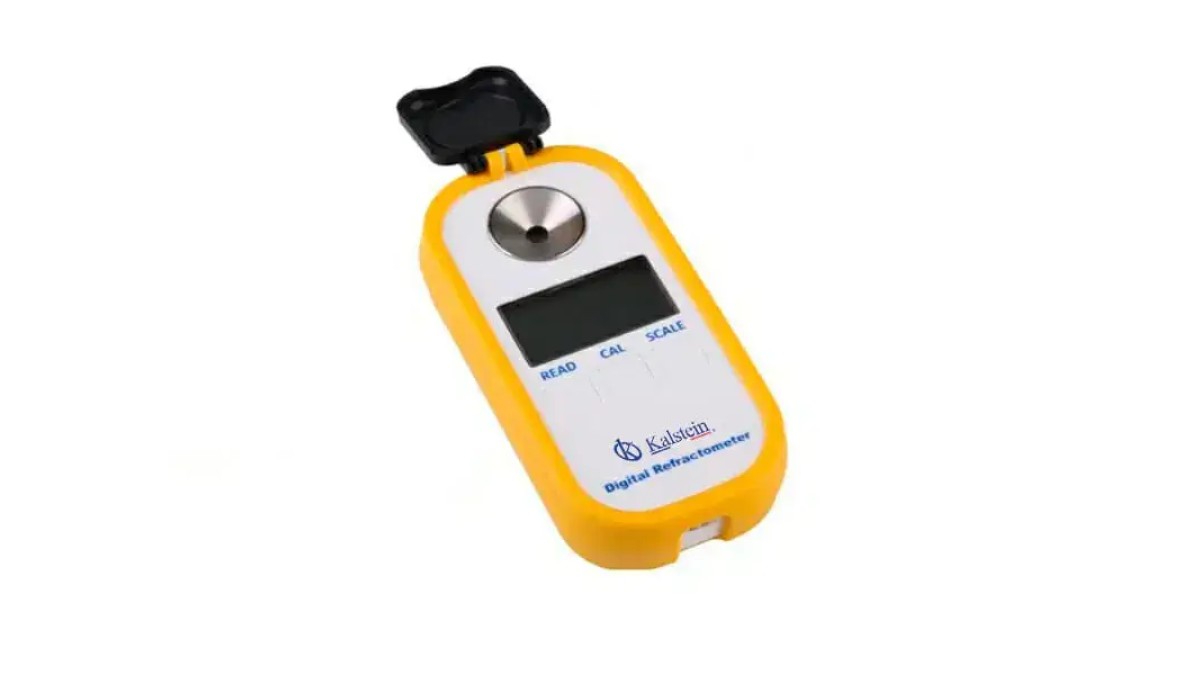
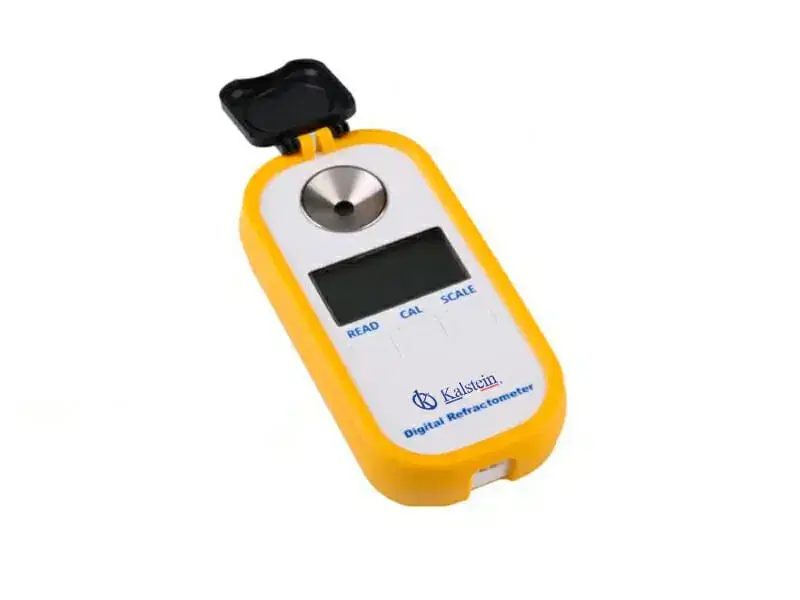
The Digital BRIX Refractometer is essential in laboratory settings for measuring the concentration of soluble solids, primarily sugars, in aqueous solutions. This is crucial for various industries including food and beverage, pharmaceuticals, and research labs. In 2026, these instruments are particularly valuable for analyzing fruit juices, syrups, purees, and beverages such as coffee and cocoa. The ability to measure both BRIX values and refractive indices helps researchers and quality control professionals ensure that products meet required specifications.
History and evolution of the technology
The technology behind refractometers has evolved significantly since its inception in the 18th century. Initially, manual refractometers required significant skill and experience to operate. The introduction of digital technology in the late 20th century revolutionized this field, enabling more accurate and user-friendly measurements. Today's digital BRIX refractometers integrate advanced temperature compensation and high-resolution displays, enhancing their efficacy in laboratory environments.
How to use it step by step
- Preparation: Ensure the refractometer is clean and calibrated. If necessary, perform a calibration check using a standard solution.
- Sample Collection: Collect a small sample of the liquid to be measured. Ensure it is free from bubbles and contaminants.
- Measurement: Place a few drops of the sample on the prism of the refractometer. Close the cover to avoid light interference.
- Read the Result: Look through the eyepiece or read the digital display to obtain the BRIX value or refractive index.
- Documentation: Record the results immediately for analysis and further processing.
- Cleaning: Clean the prism surface with distilled water and a soft cloth after each use to maintain accuracy.
Best techniques and protocols
To obtain accurate measurements, it is important to follow best practices such as:
- Performing regular calibrations with known standards.
- Ensuring sample temperatures are within the recommended range (0-40°C) for temperature compensation.
- Using only high-quality, uncontaminated samples to avoid skewed results.
- Making sure the refractometer is properly zeroed before each use.
- Maintaining a clean workspace to prevent cross-contamination between samples.
Practical applications by laboratory type
Digital BRIX refractometers find applications in various laboratory settings:
- Food and Beverage Testing: Used for quality control in juices, wines, and syrups.
- Pharmaceutical Industry: Helps in the formulation of syrup-based medications.
- Agricultural Labs: Assists in assessing the sugar content of fruits for harvest timing.
- Research Laboratories: Utilized in experiments requiring precise liquid measurements.
Regulations, standards and certifications
In 2026, laboratories using Digital BRIX refractometers must adhere to various standards dictated by organizations such as ISO and FDA. Compliance with Good Laboratory Practices (GLP) and ensuring that the equipment is calibrated according to the manufacturer’s specifications are essential for maintaining laboratory accreditation and ensuring trust in results.
Comparison with alternative technologies
While Digital BRIX refractometers are highly effective, there are alternative methods for measuring sugar concentration, such as:
- Hydrometers: Useful for specific gravity measurements but less accurate than refractometers.
- Infrared Spectroscopy: Provides detailed compositional analysis but requires complex instrumentation.
- Conductivity Meters: Effective in certain contexts but not specific to sugar content.
Comparison of available models
| Model | Best for | Key specs | Recommended use case |
|---|---|---|---|
| YR05944 | General BRIX measurement | Brix: 0.0-50.0%; Refractive Index: 1.3330-1.4200 nD | Measuring sugar concentration in beverages |
| YR05945 | High sugar concentration solutions | Brix: 0.0-90.0% | Testing high-sugar content juices |
| YR05946 | Refractive index measurement | Refractive Index: 1.3330-1.5177 nD | Relevant for concentrated syrups |
| YR05947 | Dextran concentration | Dextran: 0.0-10.6% | Pharmaceutical applications |
| YR05948 | Fructose concentration | Fructose: 0.0-68.9% | Testing natural sweeteners |
| YR05949 | Glucose concentration | Glucose: 0.0-59.9% | Research and quality control in food |
| YR05950 | Lactose measurement | Lactose: 0.0-1% | Dairy product analysis |
Common mistakes and how to avoid them
Common pitfalls with Digital BRIX refractometers include:
- Neglecting Calibration: Always calibrate before use to ensure accuracy.
- Ignoring Temperature Effects: Samples must be at the appropriate temperature for reliable results.
- Poor Sample Quality: Ensure samples are clear of bubbles and contaminants.
- Inaccurate Record Keeping: Always document results immediately to avoid discrepancies.
Maintenance, calibration and good practices 2026
Regular maintenance is vital for optimal performance:
- Clean the prism after each use with distilled water.
- Calibrate the device regularly, ideally before each use.
- Store the refractometer in a protected environment to avoid dust and damage.
- Perform periodic professional servicing to ensure long-term reliability.
Cost-benefit analysis 2026
Investing in a Digital BRIX refractometer can yield significant benefits:
- Cost savings from reduced waste due to more accurate measurements.
- Enhanced product quality leading to customer satisfaction.
- Time efficiency in testing processes compared to alternative methods.
- Compliance with industry standards, thus avoiding costly penalties.
Frequently asked questions
What is the best way to calibrate a Digital BRIX refractometer?
Calibration involves using a standard solution with a known BRIX value to adjust the refractometer. Follow the manufacturer’s instructions for the specific calibration process, ensuring accurate results.
How do I know which model is right for my laboratory?
Consider the specific applications you require. For high sugar concentration needs, models like YR05945 are ideal, while those focusing on glucose measurements would benefit from YR05949.
Can I use a Digital BRIX refractometer for other liquids besides sugar solutions?
Yes, Digital BRIX refractometers can measure various aqueous solutions, but ensure that the liquid is suitable for the instrument's specifications to avoid damage or inaccurate readings.
What precautions should I take when using the refractometer?
Ensure samples are clean and free from air bubbles. Use the instrument in a stable environment away from direct sunlight to minimize external influences.
How frequently should maintenance be performed on my refractometer?
Routine cleaning after each use is essential, while thorough checks and professional servicing should be done at least once a year to maintain accuracy and functionality.
Is training necessary for using a Digital BRIX refractometer?
While basic operation is straightforward, training can enhance understanding of best practices, ensuring accuracy and reliability in measurements.
Where can I request a quote for purchasing this equipment?
If you are interested in acquiring a Digital BRIX refractometer, you can request a quote through our dedicated platform for a competitive price.
If you are looking for a fusion of innovation and quality, you have come to the right place. At Kalstein, we offer you the luxury of exploring our exclusive catalog of laboratory equipment. We manufacture every device to the highest standards of excellence. Our intuitive and seamless online purchasing channels are designed for your convenience, securing the most competitive prices. Hesitate no longer — we bring science to life, it is time to become part of our community.