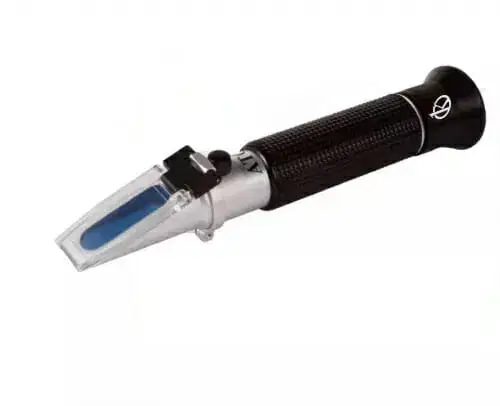
Digital Clinical Refractometers: A Practical Guide for 2026
What is it used for in 2026
Digital clinical refractometers are essential instruments in both veterinary and human medicine, primarily used for measuring the specific gravity of bodily fluids, such as urine and serum. In 2026, their application extends to diagnostics, hydration assessment, and quality control in laboratories. These devices facilitate rapid, accurate measurements, which are crucial for timely medical decisions.
History and evolution of the technology
The evolution of refractometers began in the 19th century, where the first optical refractometers were developed. Over the years, advancements in technology led to the development of digital refractometers, which offer enhanced accuracy and ease of use. In 2026, the latest models incorporate features like automatic temperature compensation (ATC) and user-friendly interfaces that enhance workflow efficiency in laboratories.
How to use it step by step
To effectively utilize a digital clinical refractometer, follow these steps:
- Calibration: Ensure that the device is calibrated with distilled water before use.
- Sample Preparation: Collect the fluid sample, ensuring there are no air bubbles.
- Measurement: Place the sample on the prism of the refractometer and close the cover.
- Read Results: Observe the digital display for the specific gravity or refractive index measurement.
- Clean Up: After measurements, clean the prism to avoid contamination of future samples.
Best techniques and protocols
Adhering to specific techniques and protocols enhances measurement accuracy:
- Always use distilled water for calibration to maintain precision.
- Ensure samples are at the correct temperature, as discrepancies can affect readings.
- Regularly maintain the device according to the manufacturer's guidelines to ensure optimal performance.
Practical applications by laboratory type
Digital clinical refractometers find usage in various laboratory settings:
- Veterinary Laboratories: Utilized for assessing hydration levels and diagnosing kidney-related issues in animals.
- Human Clinical Laboratories: Employed in routine urine tests and serum protein analysis, crucial for patient diagnostics.
- Research Laboratories: Used in studies requiring precise measurements of solutions or fluids, enhancing research quality.
Regulations, standards and certifications
In 2026, it is essential for clinical refractometers to comply with stringent regulations set by organizations such as the FDA and ISO. These standards ensure that devices are safe, reliable, and effective for clinical use. Regular audits and certifications are necessary to maintain compliance and enhance user trust.
Comparison with alternative technologies
Digital clinical refractometers are often compared with traditional optical refractometers. While both serve the same primary function, digital models provide enhanced features such as:
- Faster results
- Automatic temperature compensation
- Simplified user interface
- Higher accuracy and repeatability
Comparison of available models
| Model | Best for | Key specs | Recommended use case |
|---|---|---|---|
| YR05915 | Clinical use for humans and animals | 0-12g/dl, 1.000-1.050sg, 1.3300RI-1.3600RI | Quick assessment of vital fluid levels |
| YR05966 | Veterinary and human serum analysis | 1.000-1.050, IP65 waterproof | Measuring urine specific gravity |
| YR05967 | Serum protein analysis | 0-12.1 g/dl, 0.1 min division | Quick protein level assessments |
| YR05968 | Refractive index measurement | 1.3330-1.3900nD, 0.0001nD min division | Research requiring refractive index determinations |
Common mistakes and how to avoid them
Common mistakes in using digital refractometers include:
- Failing to calibrate before use; always calibrate with distilled water.
- Not allowing samples to reach room temperature; ensure sample temperature is stable.
- Using dirty or contaminated prisms; always clean the prism after each use.
Maintenance, calibration and good practices 2026
Regular maintenance is crucial for accurate measurements:
- Calibrate regularly, especially after extended periods of non-use.
- Keep the device clean, focusing on the prism area.
- Store in a protective case to prevent damage when not in use.
Cost-benefit analysis 2026
Investing in a digital clinical refractometer can save time and increase accuracy in laboratory measurements. While initial costs may vary, the long-term benefits include:
- Reduced labor time due to faster measurements
- Decreased need for repeated tests due to improved accuracy
- Enhanced diagnostic capabilities leading to better patient outcomes
Frequently asked questions
What should I consider when choosing a digital clinical refractometer?
When selecting a digital clinical refractometer, consider features such as measurement range, automatic temperature compensation, and ease of use. Evaluate the specific needs of your laboratory to ensure optimal performance.
How often should I calibrate my refractometer?
Calibration should be performed before each use or at least daily in high-volume settings to ensure accurate measurements. Regular calibration is essential for maintaining device reliability.
Can I use a refractometer for different types of samples?
Yes, many digital refractometers are versatile and can be used for various types of fluids, including urine, serum, and solutions, depending on the specific model's design and capabilities.
What common issues may arise during use?
Common issues include inaccurate readings due to improper calibration, ambient temperature effects, and contamination of the prism. Always ensure proper maintenance and follow best practices.
How can I ensure my refractometer lasts longer?
To extend the life of your refractometer, carry out regular cleaning, follow calibration protocols, and store it securely when not in use to protect against damage.
If you are looking for a fusion of innovation and quality, you have come to the right place. At Kalstein, we offer you the luxury of exploring our exclusive catalog of laboratory equipment. We manufacture every device to the highest standards of excellence. Our intuitive and seamless online purchasing channels are designed for your convenience, securing the most competitive prices. Hesitate no longer — we bring science to life, it is time to become part of our community.