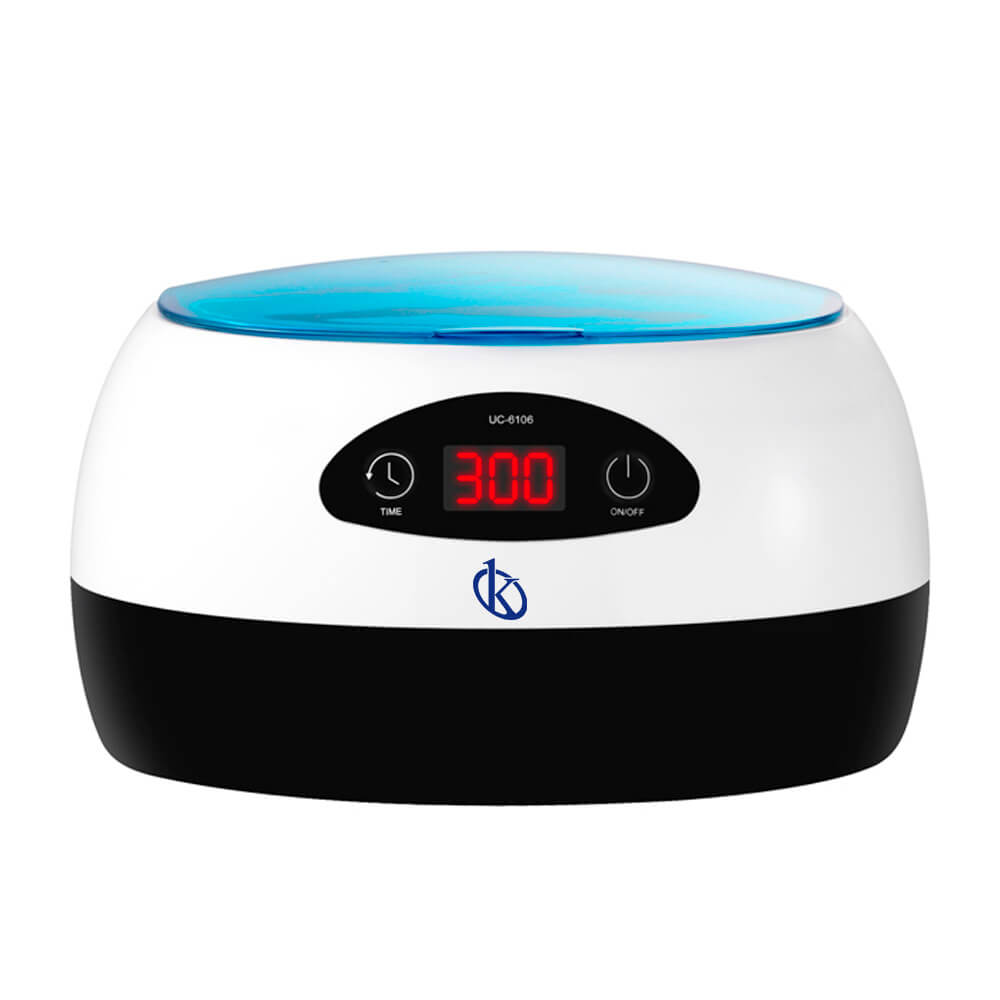
Digital Desktop Ultrasonic Cleansers: Practical Applications and Techniques 2026
Digital Desktop Ultrasonic Cleansers are essential tools in many laboratory and academic settings. Their ability to effectively clean various items through high-frequency sound waves makes them invaluable for research, biotechnology, and academic purposes. This article provides an in-depth look into the applications, techniques, and best practices for using these devices effectively in 2026.
What is it used for in 2026
In 2026, Digital Desktop Ultrasonic Cleansers are widely used in laboratories for cleaning delicate instruments, jewelry, dental tools, and electronic components. The ultrasonic waves produced by these devices create cavitation bubbles in the cleaning solution, which burst and generate tiny shock waves. This process effectively removes contaminants such as dust, grease, and biological materials from surfaces without scratching or damaging them. Their precision makes them suitable for tasks that require meticulous care, particularly in fields like biochemistry, material science, and clinical diagnostics.
History and evolution of the technology
The concept of ultrasonic cleaning has been around since the 1950s. Initially popular in industrial sectors, the technology has evolved significantly over the decades. The introduction of digital control systems in ultrasonic cleansers has enhanced their efficiency and precision. By 2026, the incorporation of advanced features such as programmable cleaning cycles, adjustable frequency settings, and improved tank materials has made Digital Desktop Ultrasonic Cleansers more user-friendly and effective, catering specifically to the needs of laboratory professionals.
How to use it step by step
- Prepare the items for cleaning: Before placing items into the ultrasonic cleaner, ensure they are free from excess dust or debris. Rinse them if necessary to prevent larger particles from causing damage.
- Fill the cleaner's tank: Use an appropriate cleaning solution, ensuring it is compatible with the items being cleaned. Fill the tank to the recommended level, avoiding overfilling.
- Set the cleaning parameters: Choose the desired cleaning duration and, if applicable, the frequency setting. Most Digital Desktop Ultrasonic Cleansers come with preset options for various cleaning tasks.
- Start the cleaning cycle: Turn on the device to commence the cleaning process. Monitor the process periodically to ensure everything is functioning correctly.
- Remove and rinse items: Once the cycle is complete, carefully remove the items. Rinse them under clean water to eliminate any residues from the cleaning solution.
- Dry the items: Use a clean, lint-free cloth or let the items air dry thoroughly before storing or using them again.
Best techniques and protocols
To maximize the efficacy of Digital Desktop Ultrasonic Cleansers, follow these best practices:
- Always use the correct cleaning solution for the specific materials being cleaned.
- Adjust the cleaning time according to the level of soiling; stubborn contaminants may require longer cleaning cycles.
- Regularly clean the tank and replace the cleaning solution to maintain optimal performance.
- Use baskets or holders designed for ultrasonic cleaners to prevent items from directly touching the tank's bottom, which minimizes the risk of damage.
- When cleaning delicate items, monitor the cleaning process closely to prevent potential damage.
Practical applications by laboratory type
Digital Desktop Ultrasonic Cleansers find applications across various laboratory types:
- Biotechnology Labs: Used for cleaning glassware and delicate instruments to prevent cross-contamination.
- Dental Clinics: Ideal for cleaning dental instruments, ensuring they are free from biological contaminants.
- Jewelry Studios: Effective for cleaning intricate jewelry pieces without causing damage.
- Research Facilities: Utilized for cleaning electronic components and sensitive instruments regularly.
Regulations, standards and certifications
In 2026, it is crucial for laboratories using Digital Desktop Ultrasonic Cleansers to adhere to relevant regulations and standards, ensuring compliance with safety and quality protocols. Various standards such as ISO 13485 for medical devices and ISO 9001 for quality management systems apply. Additionally, manufacturers typically undergo certification processes to ensure their ultrasonic cleansers meet international safety and performance benchmarks.
Comparison with alternative technologies
Compared to alternative cleaning methods like manual cleaning or steam cleaning, Digital Desktop Ultrasonic Cleansers offer several advantages:
- Efficiency: Ultrasonic cleaning is faster and often achieves better results than manual cleaning.
- Gentleness: They clean delicate items without the risk of physical damage that can occur with abrasive cleaning methods.
- Consistency: Digital controls ensure uniform cleaning results, reducing variability between cleaning batches.
Comparison of available models
| Model | Best for | Key specs | Recommended use case |
|---|---|---|---|
| YR05231 | General use, jewelry | 750 ml capacity, 50W power, 42KHz frequency | Cleaning small jewelry items and delicate tools |
| YR05232 | Jewelry cleaning | 1400 ml capacity, 60W power, 40KHz frequency | Effective for larger jewelry pieces and metals |
| YR05229 | Lens and jewelry cleaning | 0.6 L capacity, 50W power, 42KHz frequency | Best for compact cleaning needs, suitable for lenses |
| YR05230 | Dental tools and jewelry | 2.5 L capacity, 60W power, 42KHz frequency | Ideal for cleaning dental instruments and larger jewelry |
Common mistakes and how to avoid them
Here are some common mistakes to avoid when using Digital Desktop Ultrasonic Cleansers:
- Overloading the tank: This can reduce cleaning efficiency and potentially damage items. Always follow the manufacturer's guidelines regarding load capacity.
- Using the wrong cleaning solution: Ensure the solution is suitable for the materials being cleaned to avoid chemical reactions.
- Not monitoring the cleaning process: Delicate items should be checked periodically to prevent damage.
Maintenance, calibration and good practices 2026
For optimal performance of Digital Desktop Ultrasonic Cleansers, regular maintenance is essential. Clean the tank after each use, replace cleaning solutions frequently, and check for any signs of wear or malfunction. Calibration should be performed as per the manufacturer's recommendations to ensure settings remain accurate. Following good practices, including proper cleaning techniques and storage, can extend the lifespan of the equipment.
Cost-benefit analysis 2026
When considering the investment in Digital Desktop Ultrasonic Cleansers, the benefits often outweigh the costs. Their efficiency in cleaning can lead to significant time savings, reduced labor costs, and improved safety in laboratory environments. Moreover, maintaining clean instruments ensures higher accuracy in laboratory results, contributing to better outcomes in research and clinical settings.
Frequently asked questions
How do I choose the right ultrasonic cleaner for my lab?
When choosing an ultrasonic cleaner, consider the size of the items you need to clean, the frequency and power specifications suitable for your cleaning needs, and the volume capacity of the tank. Identify specific use cases and match them to the features of available models.
Can ultrasonic cleaners be used for all materials?
No, ultrasonic cleaners are not suitable for all materials. Delicate items such as certain plastics and porous materials may get damaged. Always refer to the manufacturer’s guidelines regarding material compatibility.
What cleaning solutions should I use?
Use cleaning solutions specifically designed for ultrasonic cleaning. Avoid using solutions that may foam excessively or are chemically incompatible with the items being cleaned.
How often should I clean my ultrasonic cleaner?
It is recommended to clean the ultrasonic cleaner after each use to prevent cross-contamination and to maintain optimal performance.
Can I use tap water in my ultrasonic cleaner?
While you can use tap water, it is best to use distilled or deionized water for superior cleaning results and to prevent mineral build-ups in the tank.
What are the safety precautions when using ultrasonic cleaners?
Always wear appropriate protective gear, such as gloves and goggles, when handling cleaning solutions and items being cleaned. Ensure the workspace is well-ventilated and avoid direct exposure to ultrasonic waves.
Where can I request a quote for ultrasonic cleaners?
You can request a quote easily through Kalstein Plus, where we provide detailed options and pricing for our innovative laboratory equipment.
If you are looking for a fusion of innovation and quality, you have come to the right place. At Kalstein, we offer you the luxury of exploring our exclusive catalog of laboratory equipment. We manufacture every device to the highest standards of excellence. Our intuitive and seamless online purchasing channels are designed for your convenience, securing the most competitive prices. Hesitate no longer — we bring science to life, it is time to become part of our community.