Digital Salinity Refractometers: Best Techniques and Protocols 2026
What is it used for in 2026
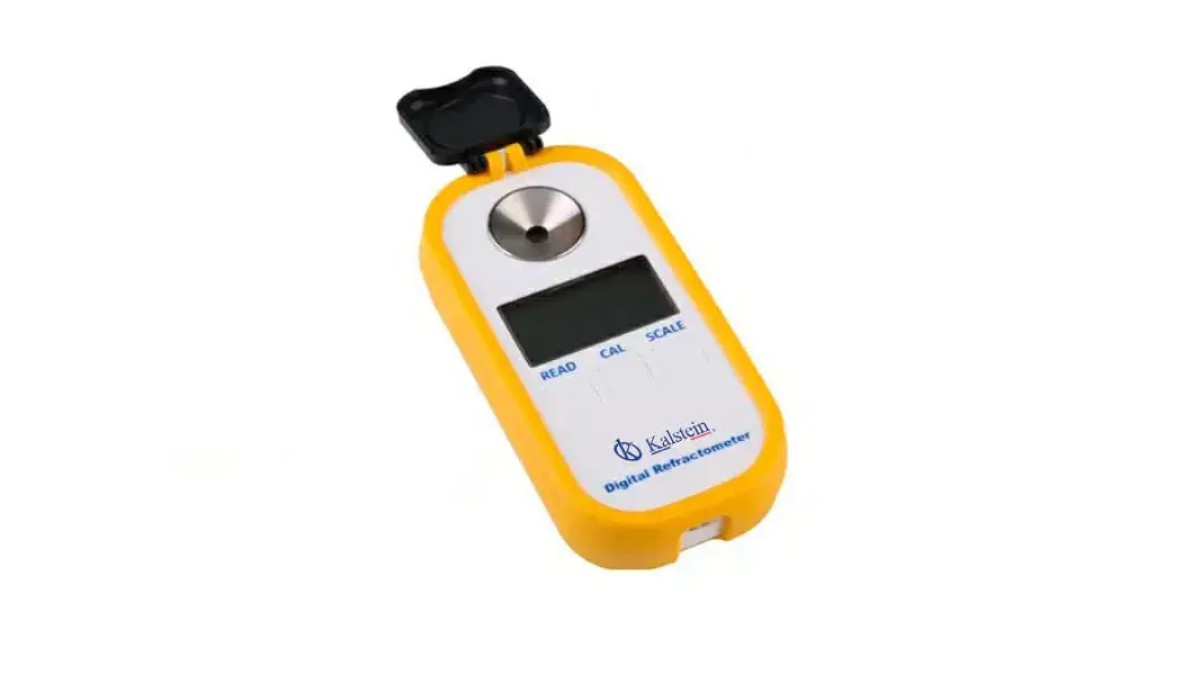
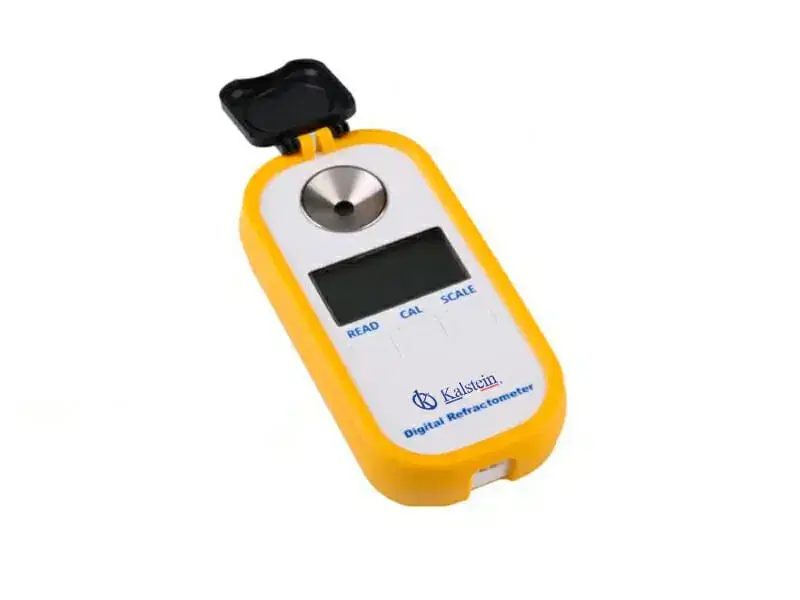
Digital salinity refractometers are precision instruments used in laboratories to measure the salinity of solutions. In 2026, these devices are essential in various fields including aquatic research, food science, and environmental monitoring. They provide accurate salinity readings for solutions such as sodium chloride, seawater, and other mixtures.
History and evolution of the technology
The first refractometers appeared in the early 20th century, initially designed for measuring sugar content in solutions. Over the decades, technology advanced to incorporate digital displays and automatic temperature compensation (ATC), enhancing accuracy and user-friendliness. The introduction of digital salinity refractometers in the 21st century has revolutionized how laboratories conduct salinity measurements, leading to significant improvements in precision and ease of use.
How to use it step by step
Using a digital salinity refractometer involves several straightforward steps:
- Calibrate the refractometer according to the manufacturer's instructions, using distilled water or a standard calibration solution.
- Place a drop of the sample solution on the measuring prism.
- Close the cover to avoid light interference.
- Press the read button to obtain the salinity measurement.
- Record the reading displayed on the digital screen.
- Clean the prism with distilled water and a soft cloth after each use to maintain accuracy.
Best techniques and protocols
To ensure accurate and reliable results, follow these best practices:
- Always use fresh samples to avoid contamination.
- Perform multiple measurements for consistency and average the results.
- Ensure the refractometer is calibrated regularly, particularly before beginning a series of measurements.
- Maintain a controlled temperature environment to avoid temperature-induced inaccuracies.
- Utilize the ATC feature for reliable readings across various temperatures.
Practical applications by laboratory type
Digital salinity refractometers have diverse applications across laboratory types:
- Aquatic Research Labs: Used for monitoring salinity levels in bodies of water, essential for aquatic life studies.
- Food Science Labs: Employed in quality control to measure salt concentration in food products.
- Environmental Monitoring: Utilized for assessing water quality in environmental agencies.
Regulations, standards and certifications
In the laboratory setting, compliance with established standards such as ISO and ASTM is crucial. Digital salinity refractometers must meet specific accuracy and reliability standards to ensure valid results. Certification of the devices may be required depending on the laboratory's accreditation.
Comparison with alternative technologies
While digital salinity refractometers are highly accurate, alternative methods such as conductivity meters and titration can also measure salinity. However, refractometers provide faster results and can be more convenient, particularly for quick field measurements where sample size is limited.
Comparison of available models
| Model | Best for | Key specs | Recommended use case |
|---|---|---|---|
| YR05953 | Salinity Measurement | 0.0--28.0%, ±0.1%, ATC 0-40°C | Ideal for marine biology studies |
| YR05954 | High Salinity Solutions | 0--280‰, ±1‰, ATC 0-40°C | Used in seawater analysis |
| YR05955 | Density Measurement | 1.000-1.217, ±0.002, ATC 0-40°C | Applicable in beverage industry |
| YR05956 | Refractive Index Measurement | 1.3330--1.3900nD, ±0.0003nD, ATC 0-40°C | Analytical applications in chemistry |
| YR05957 | Salinity Measurement | 0—100‰, ±2‰, ATC 0-40°C | Water quality monitoring |
| YR05958 | Chlorinity Measurement | 0--57‰, ±2‰, ATC 0-40°C | Used in aquaculture |
| YR05959 | Density Measurement | 1.000-1.070, ±0.002, ATC 0-40°C | Applicable in food industry |
| YR05960 | Refractive Index Measurement | 1.3330--1.3530nD, ±0.0003nD, ATC 0-40°C | Useful in pharmaceutical applications |
Common mistakes and how to avoid them
Common errors in using digital salinity refractometers include:
- Not calibrating the device regularly — ensure calibration is done before every major series of tests.
- Failing to clean the measuring prism — cleanliness ensures accuracy; always clean after each use.
- Ignoring temperature effects — utilize the ATC feature to compensate for temperature variations.
Maintenance, calibration and good practices 2026
Regular maintenance is vital for accurate readings. Follow these practices:
- Calibrate weekly or before significant usage.
- Store the refractometer in a protective case when not in use.
- Use only distilled water for cleaning to avoid contamination.
Cost-benefit analysis 2026
Investing in a digital salinity refractometer offers significant benefits. These devices save time and provide reliable results, enhancing laboratory efficiency. The initial cost is offset by long-term accuracy, reduced errors, and the ability to conduct tests quickly compared to traditional methods.
Frequently asked questions
What is the main advantage of using digital salinity refractometers?
The main advantage is their accuracy and ease of use, which allows for quick and reliable measurements of salinity in various solutions.
How often should I calibrate my refractometer?
Calibration should be performed regularly, ideally before every batch of tests, to maintain accuracy.
Can I use a digital salinity refractometer for all types of solutions?
While they are versatile, ensure the refractometer's specifications match the specific type of solution you are testing, as some models are tailored for specific ranges of salinity.
What should I do if I get inconsistent readings?
Check the calibration, ensure that the prism is clean, and verify that the temperature compensation feature is functioning properly.
Is it necessary to clean the prism after every use?
Yes, cleaning the prism after each use prevents cross-contamination and ensures accurate measurements.
How does temperature affect salinity readings?
Temperature variations can affect the density and refractive index of the solution, leading to inaccurate readings; hence, using ATC is crucial.
Where can I request a quote for purchasing a digital salinity refractometer?
You can request a quote for purchasing a digital salinity refractometer through our dedicated sales representatives or online channels.
If you are looking for a fusion of innovation and quality, you have come to the right place. At Kalstein, we offer you the luxury of exploring our exclusive catalog of laboratory equipment. We manufacture every device to the highest standards of excellence. Our intuitive and seamless online purchasing channels are designed for your convenience, securing the most competitive prices. Hesitate no longer — we bring science to life, it is time to become part of our community.