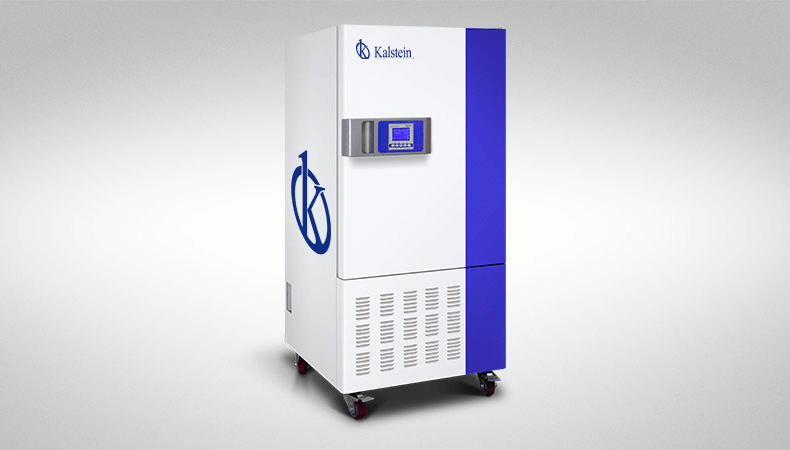
Drug Stability Test Chambers: Applications in Research, Biotechnology, and Academia 2026
What is it used for in 2026
Drug Stability Test Chambers are essential tools in various industries, particularly in pharmaceuticals, biotechnology, and academia for evaluating the stability and shelf life of drugs under controlled environmental conditions. In 2026, these chambers are increasingly vital in ensuring compliance with regulatory requirements, assessing the impact of environmental factors on drug stability, and enhancing the overall safety and efficacy of pharmaceutical products.
History and evolution of the technology
The technology behind Drug Stability Test Chambers has evolved significantly since their inception. Initially focusing on basic temperature and humidity control, modern chambers now incorporate advanced features such as precise microprocessor PID controllers, automated defrost systems, and sophisticated safety mechanisms. This evolution has enabled laboratories to perform more accurate and reliable stability testing, conforming to stringent industry standards.
How to use it step by step
Using a Drug Stability Test Chamber involves several key steps:
- Preparation: Ensure the chamber is clean and calibrated correctly. All required parameters must be set according to the testing protocol.
- Loading Samples: Place drug samples in designated racks ensuring adequate spacing for airflow.
- Setting Conditions: Configure temperature and humidity levels as specified in the study protocol.
- Monitoring: Regularly check the chamber’s performance metrics to ensure they remain constant throughout the testing period.
- Documentation: Record all observations, deviations, and operational data for compliance and analysis.
Best techniques and protocols
Employing the best techniques and protocols in using Drug Stability Test Chambers is crucial for ensuring accuracy. This includes:
- Using validated methods for sample preparation and handling.
- Regular calibration and maintenance of equipment according to manufacturer guidelines.
- Adhering to protocols such as ICH guidelines for stability testing, ensuring consistency and reliability.
Practical applications by laboratory type
Drug Stability Test Chambers find applications across various laboratory environments:
- Pharmaceutical Labs: Primarily used for stability testing of new formulations and existing products.
- Biotechnology Firms: Essential for testing the stability of biologics and biosimilars.
- Academic Research: Used in research settings for both drug development studies and educational purposes.
Regulations, standards and certifications
Compliance with regulations such as FDA and ICH guidelines is critical when using Drug Stability Test Chambers. These organizations outline specific requirements for testing methodologies, environmental conditions, and documentation practices that laboratories must follow to ensure the validity of their results and maintain product integrity.
Comparison with alternative technologies
While there are various methods for stability testing, such as accelerated shelf life testing or using traditional incubators, Drug Stability Test Chambers provide controlled environments that ensure precise and regulated conditions, making them superior for consistent results. The technological advancements in these chambers—especially in terms of automation and data logging—further enhance their effectiveness compared to alternative technologies.
Comparison of available models
| Model | Best for | Key specs | Recommended use case |
|---|---|---|---|
| YR05350 | General pharmaceutical stability testing | Temperature range: 0~60°C, Humidity range: 50~90% HR | Long-term stability studies in controlled environments |
| YR05351 | Advanced pharmaceutical research | Temperature accuracy: ±0.1°C, Humidity fluctuation: ±3% HR | Complex formulations requiring tight environmental controls |
| YR05352 | High-end stability testing | Uniformity: ±1°C, Humidity fluctuation: ±3% HR | Regulatory compliance and high-precision testing |
Common mistakes and how to avoid them
Common mistakes in using Drug Stability Test Chambers include improper calibration, inadequate sample spacing, and failure to document environmental conditions. To avoid these pitfalls:
- Follow a strict calibration schedule.
- Ensure samples are not overcrowded to prevent airflow obstruction.
- Maintain thorough and accurate records of all testing parameters and results.
Maintenance, calibration and good practices 2026
Regular maintenance and calibration of Drug Stability Test Chambers are essential for optimal performance. This includes:
- Routine cleaning of the chamber interior and components.
- Calibrating temperature and humidity sensors quarterly.
- Implementing a logbook for maintenance activities and observations.
Cost-benefit analysis 2026
Investing in a Drug Stability Test Chamber is a strategic decision for laboratories focused on drug development and compliance. Although the upfront cost may be significant, the long-term benefits—such as improved accuracy in stability testing, compliance with regulatory standards, and reduction of product recalls—often outweigh the initial investment.
Frequently asked questions
What factors should I consider when choosing a Drug Stability Test Chamber?
When selecting a Drug Stability Test Chamber, consider the temperature and humidity ranges, accuracy, uniformity, and specific features like data logging and automation capabilities that suit your laboratory needs.
How often should I calibrate my Drug Stability Test Chamber?
It is recommended to calibrate your chamber at least quarterly, or more frequently if used extensively or if you notice any deviations in performance.
Can I use a Drug Stability Test Chamber for other tests?
While these chambers are primarily designed for stability testing, they can also be used for other tests requiring controlled environmental conditions, such as certain biological assays.
What is the typical lifespan of a Drug Stability Test Chamber?
With proper maintenance, a Drug Stability Test Chamber can last over a decade, although this can vary based on usage frequency and environmental conditions it is exposed to.
How do I ensure proper airflow in the chamber?
Ensure that samples are spaced adequately apart and avoid overcrowding the chamber. Regularly check and clean the fans and vents to maintain good airflow.
What should I do if my chamber deviates from set conditions?
If deviations occur, immediately check for any obstructions, verify calibration, and consult the user manual or manufacturer for troubleshooting steps.
If you are looking for a fusion of innovation and quality, you have come to the right place. At Kalstein, we offer you the luxury of exploring our exclusive catalog of laboratory equipment. We manufacture every device to the highest standards of excellence. Our intuitive and seamless online purchasing channels are designed for your convenience, securing the most competitive prices. Hesitate no longer — we bring science to life, it is time to become part of our community.