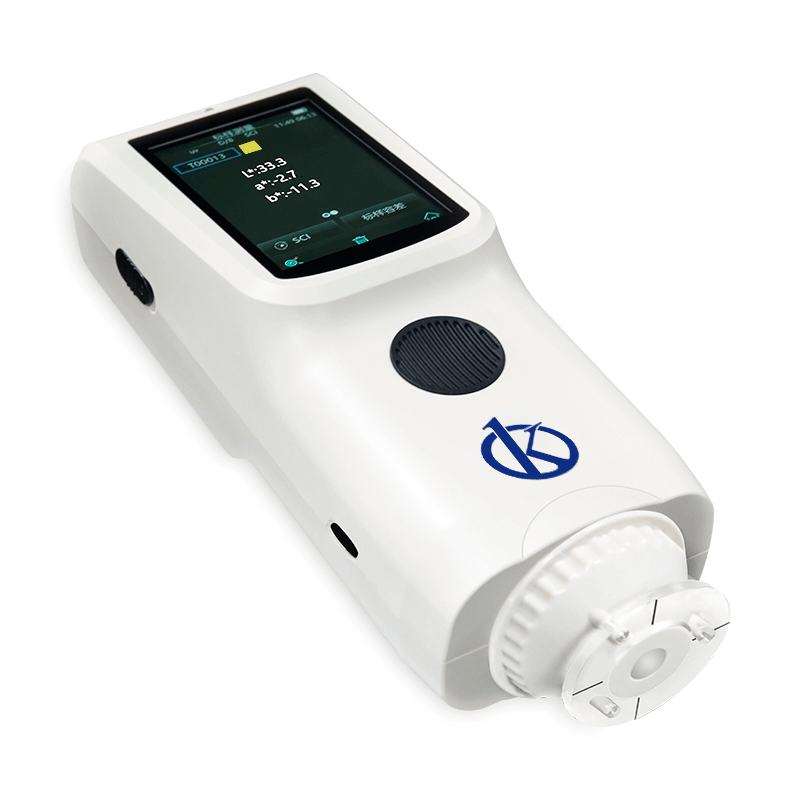
How to Achieve Efficient Data Flow Integration with Spectrocolorimeters and LIMS
In modern laboratories, the integration of spectrocolorimeters with Laboratory Information Management Systems (LIMS) is crucial for effective data management and operational efficiency. This article delves into how laboratories can leverage this integration to improve workflows, ensure data accuracy, and comply with industry standards.
Understanding Spectrocolorimeters in Laboratory Settings
Spectrocolorimeters are essential instruments used for precise color measurement and quality control in various materials, including textiles, plastics, and paints. These devices analyze light reflectance to provide quantifiable color data, which is vital for product consistency and adherence to industry standards.
Integration with LIMS: A Strategic Approach
Integrating spectrocolorimeters with LIMS facilitates a seamless data flow, enhancing laboratory efficiency. This integration allows for automated data capture, reducing the likelihood of human error and ensuring that data is readily available for analysis and reporting. Moreover, it enables laboratories to maintain comprehensive records for compliance with quality assurance protocols.
Key Specifications of Spectrocolorimeters
When selecting a spectrocolorimeter for LIMS integration, it is essential to consider key specifications:
- Optical geometry: D/8 (diffuse illumination) for accurate color measurement.
- Measurement modes: SCI/SCE modes for enhanced adaptability.
- Compliance standards: Meeting international standards such as CIE No.15 and ISO 7724-1 ensures reliability.
Comparison of Available Models
| Model | Connectivity | Protocols Supported | Integration Effort | Best For |
|---|---|---|---|---|
| YR05516 | USB, Ethernet | HL7, ASTM | Medium | Quality control in plastics |
| YR05517 | USB, Wi-Fi | REST, ASTM | Low | Paint and coating analysis |
| YR05518 | USB | LIS2-A2 | High | Textiles and garment industry |
| YR05519 | Ethernet | HL7 | Medium | Environmental monitoring |
Common Mistakes and How to Avoid Them
One common mistake in integrating spectrocolorimeters with LIMS is underestimating the importance of data validation processes. Laboratories should implement robust validation protocols to ensure data accuracy and compliance with standards. Additionally, failure to train staff on the integrated system can lead to inefficiencies and errors. Regular training and a clear understanding of the system are crucial.
Enhancing Data Management through Integration
The integration of spectrocolorimeters with LIMS not only streamlines data management but also provides enhanced data analysis capabilities. Laboratories can utilize real-time data to make informed decisions, leading to improved product quality and reduced waste. For instance, using the YR05516 model, labs can automate color measurement processes, ensuring consistency and compliance.
Implementation Strategies for Successful Integration
To successfully integrate spectrocolorimeters with LIMS, laboratories should follow a strategic approach that includes:
- Assessment of existing workflows and identification of integration points.
- Selection of compatible spectrocolorimeter models.
- Development of a clear data management strategy, including protocols for data entry and validation.
- Training staff on both spectrocolorimeter operation and LIMS functionalities.
Frequently Asked Questions
How can spectrocolorimeters improve data accuracy in LIMS integration?
Spectrocolorimeters, such as the YR05518 model, enhance data accuracy by providing precise color measurements that are automatically uploaded to LIMS. This eliminates manual entry errors and ensures compliance with standards like ISO 7724-1.
What are the best practices for integrating spectrocolorimeters with LIMS?
Best practices include choosing models like YR05517 that support multiple protocols, ensuring staff training, and developing a clear data management strategy to streamline processes and maintain compliance.
Which spectrocolorimeter model is best for environmental monitoring?
The YR05519 model is highly regarded for environmental monitoring due to its robust connectivity options and compliance with ASTM standards, making it ideal for accurate color measurement in environmental applications.
What challenges may arise during the integration of spectrocolorimeters with LIMS?
Challenges can include data compatibility issues and user resistance to new technologies. Addressing these challenges requires thorough training and choosing spectrocolorimeter models that are LIMS-compatible.
How do I ensure compliance with industry standards when using spectrocolorimeters?
Using models like YR05516, which meet standards such as CIE No.15, will help ensure compliance. Laboratories must regularly validate their processes against these standards to maintain quality control.
What role does LIMS play in enhancing the usability of spectrocolorimeters?
LIMS enhances usability by enabling automated data capture from spectrocolorimeters like YR05517, allowing labs to streamline workflows and maintain comprehensive records for analysis and reporting.
How can I assess the effectiveness of my spectrocolorimeter integration?
Effectiveness can be assessed by measuring improvements in data accuracy, reduction in manual entry errors, and overall workflow efficiency post-integration of models like YR05518 into the LIMS.
Are there cost implications when integrating spectrocolorimeters with LIMS?
Yes, the initial costs include purchasing compatible models like YR05519 and implementing training programs. However, the long-term ROI through improved efficiency and compliance can justify these expenses.
If you are looking for a fusion of innovation and quality, you have come to the right place. At Kalstein, we offer you the luxury of exploring our exclusive catalog of laboratory equipment. We manufacture every device to the highest standards of excellence. Our intuitive and seamless online purchasing channels are designed for your convenience, securing the most competitive prices. Hesitate no longer — we bring science to life, it is time to become part of our community.