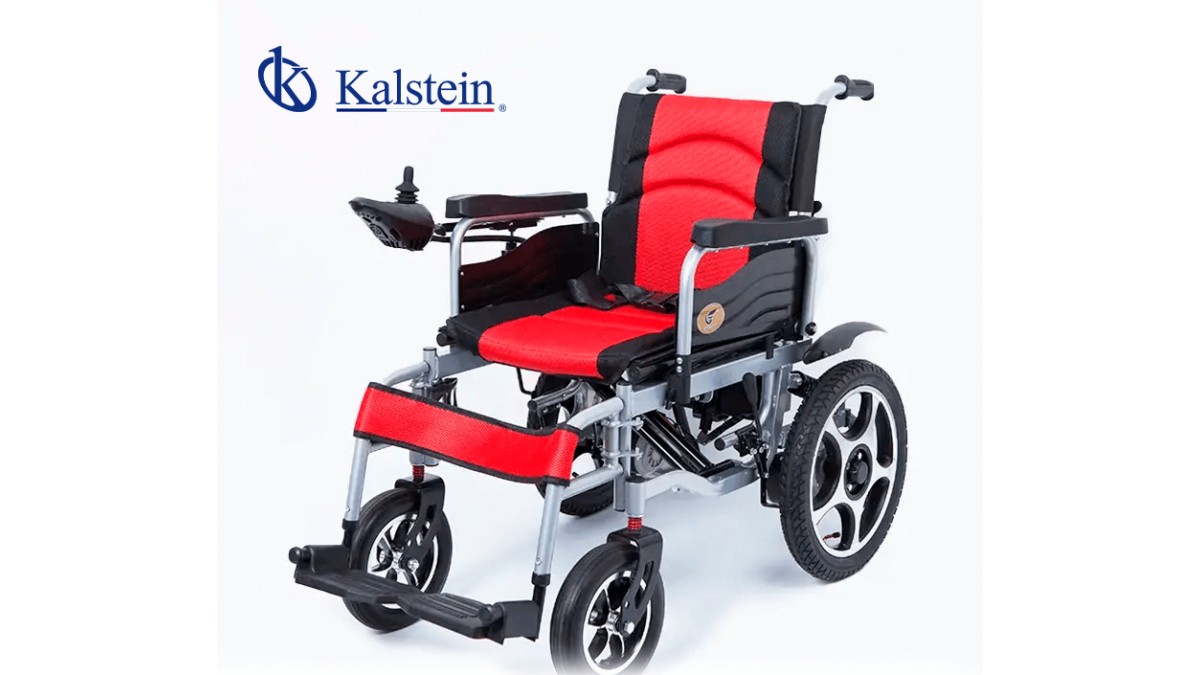
Electric Wheelchairs: Practical Applications and Techniques 2026
Electric wheelchairs have revolutionized mobility for individuals with disabilities and the elderly, providing greater independence and access to various environments. In 2026, the advancements in electric wheelchair technology have made them indispensable in research, biotechnology, and academic settings. This article will guide you through their applications, best practices, and practical insights into the various models available.
What is it used for in 2026
In 2026, electric wheelchairs are utilized across multiple sectors, primarily focusing on enhancing mobility for individuals requiring assistance. They serve applications in:
- Healthcare Facilities: Providing mobility solutions for patients in hospitals and rehabilitation centers.
- Biotechnology Labs: Assisting researchers with limited mobility in navigating laboratories and accessing necessary equipment.
- Academic Institutions: Enabling students with disabilities to participate fully in campus activities and classes.
History and evolution of the technology
The concept of electrically powered wheelchairs dates back to the mid-20th century. Initially developed to assist veterans with mobility impairments, these devices have undergone significant technological advancements. Innovations in battery life, weight reduction, and maneuverability have transformed them into versatile mobility aids. The introduction of lightweight materials, improved motors, and smart technologies has enhanced their functionality and user experience.
How to use it step by step
Using an electric wheelchair efficiently involves a few straightforward steps:
- Familiarize with the Controls: Understand the joystick or control panel to navigate safely.
- Adjust the Seat: Ensure that the seat height and backrest are adjusted for comfort.
- Check Battery Levels: Before use, verify the battery charge to avoid unexpected shutdowns.
- Engage Safety Features: Use seat belts and ensure the wheelchair is stable before operating.
- Practice Maneuvering: Start in a safe, open area to practice turning, reversing, and stopping.
Best techniques and protocols
For effective use of electric wheelchairs, consider the following techniques and protocols:
- Regular Training: Schedule training sessions for new users to build confidence.
- Safety Checks: Conduct routine maintenance checks to ensure all components are functioning correctly.
- Environmental Awareness: Be mindful of surroundings, especially in crowded or uneven terrain.
Practical applications by laboratory type
Electric wheelchairs can be beneficial in various laboratory settings:
- Biotechnology Labs: Facilitate mobility between lab stations and equipment.
- Research Facilities: Allow researchers with disabilities to participate actively in projects.
- Educational Labs: Enable students with mobility issues to access lab resources and participate in experiments.
Regulations, standards and certifications
Electric wheelchairs must adhere to specific regulations and standards to ensure user safety and device reliability. In 2026, these include:
- FDA Regulations: Ensuring compliance with federal guidelines for medical devices.
- ISO Certifications: Meeting international standards for quality and safety.
- Local Regulations: Complying with state and local laws regarding mobility devices.
Comparison with alternative technologies
Compared to traditional manual wheelchairs, electric wheelchairs offer several advantages, including:
- Ease of Use: Electric models require less physical effort to operate.
- Speed: They can cover more distance quickly, beneficial in larger facilities.
- Advanced Features: Many models include technologies such as remote controls and customizable settings.
Comparison of available models
| Model | Best for | Key specs | Recommended use case |
|---|---|---|---|
| YR05440 | Lightweight transport | Weight 44.5 KG, Load 130 KG | Ideal for travel and short distances |
| YR05441 | Adjustable seating | Weight 47 KG, Load 130 KG | Perfect for users needing adjustable height |
| YR05442 | All-terrain use | Weight 104 KG, Load 200 KG | Best for outdoor and rugged environments |
| YR05443 | Remote operation | Weight 30 KG, Load 130 KG | Suitable for those needing assistance with operation |
| YR05444 | Mobile charging features | Weight 25 KG, Load 100 KG | Great for users requiring mobile charging capabilities |
| YR05445 | Compact design | Weight 18 KG, Load 100 KG | Ideal for users with limited space needs |
Common mistakes and how to avoid them
To maximize the benefits of electric wheelchairs, users should avoid common pitfalls:
- Neglecting Maintenance: Regular checks are essential to ensure functionality.
- Ignoring Safety Features: Always use safety belts and follow manufacturer guidelines.
- Overloading: Respect the weight limits to prevent damage and ensure safety.
Maintenance, calibration and good practices 2026
Proper maintenance and care can enhance the lifespan of electric wheelchairs:
- Regular Cleaning: Keep the wheelchair clean to prevent wear and tear.
- Battery Maintenance: Charge batteries as recommended and check for wear.
- Component Checks: Inspect wheels, brakes, and controls periodically.
Cost-benefit analysis 2026
Investing in electric wheelchairs in 2026 provides substantial benefits:
- Improved Mobility: Greater independence leads to better quality of life.
- Long-term Savings: Reducing the need for assistance can lower overall care costs.
- Enhanced Accessibility: Increased access to various environments opens more opportunities.
Frequently asked questions
What should I consider when choosing an electric wheelchair?
Consider your mobility needs, weight capacity, intended environments, and specific features such as battery life and control ease when selecting an electric wheelchair.
How do I maintain my electric wheelchair?
Regular cleaning, battery checks, and component inspections are crucial for maintaining your electric wheelchair's performance and safety.
Can I use an electric wheelchair outdoors?
Yes, many electric wheelchairs are designed for outdoor use, but ensure you choose a model specifically rated for all-terrain capabilities.
Are electric wheelchairs covered by insurance?
Coverage varies by plan. It's essential to check with your insurance provider regarding the specifics of coverage for electric wheelchairs.
How do I improve my skill in using an electric wheelchair?
Practice in safe, open environments, participate in training programs, and consult with professionals for tips and techniques.
Can electric wheelchairs be customized?
Yes, many models offer customizable features to suit individual preferences and needs, enhancing comfort and usability.
Where can I request a quote for an electric wheelchair?
You can request a quote on Kalstein Plus for a variety of electric wheelchair models that meet your requirements.
If you are looking for a fusion of innovation and quality, you have come to the right place. At Kalstein, we offer you the luxury of exploring our exclusive catalog of laboratory equipment. We manufacture every device to the highest standards of excellence. Our intuitive and seamless online purchasing channels are designed for your convenience, securing the most competitive prices. Hesitate no longer — we bring science to life, it is time to become part of our community.