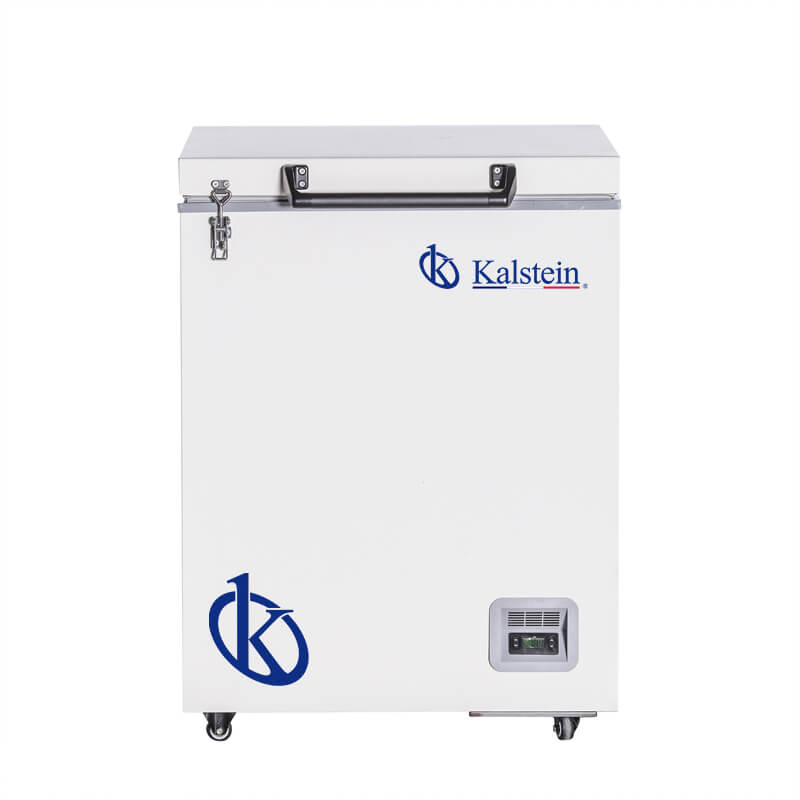
Energy Efficiency and Environmental Impact Reduction in Chest Freezers
As laboratories increase their focus on sustainability, choosing the right chest freezer becomes a crucial decision. This article delves into how energy-efficient models can help reduce environmental footprints while maintaining the necessary performance for laboratory and medical applications. By analyzing various models, we can identify the best options for sustainability in energy consumption and overall environmental impact.
Understanding Energy Efficiency in Chest Freezers
Energy efficiency in chest freezers is measured by their energy consumption and ability to maintain stable internal temperatures. Most modern freezers utilize environmentally friendly refrigerants and advanced insulation materials that decrease energy usage. The models discussed here demonstrate various technologies that optimize energy consumption while meeting laboratory needs.
Importance of Reducing Environmental Impact
Reducing the environmental impact of laboratory equipment is vital. Laboratories are significant energy consumers, and optimizing freezer usage can lead to substantial reductions in energy costs and carbon footprints. Energy-efficient models not only save money but also align with global sustainability goals, making them a responsible choice for modern labs.
Comparison of Available Models
| Model | Power Consumption (kWh/24h) | Temperature Range (°C) | Best for | Price (USD) |
|---|---|---|---|---|
| YR05102 | 1.65 | -10 to -40 | General laboratory use | 450.00 |
| YR05103 | 1.68 | -10 to -40 | Medium-scale storage | 885.00 |
| YR05104 | 3.45 | -20 to -40 | High-demand storage | 1100.00 |
| YR05314 | 11.5 | -40 to -86 | Ultra-low temperature applications | 3150.00 |
| YR05313 | 3.8 | -40 to -86 | Small-scale ultra-low storage | 1825.00 |
| YR05315 | 3.2 | -25 to -60 | Biomedical applications | 1150.00 |
Factors Affecting Energy Efficiency in Chest Freezers
Several factors can affect the energy efficiency of chest freezers, including the type of refrigerant used, insulation quality, and compressor technology. Models like the YR05102 and YR05103 utilize R290 refrigerant, which is both environmentally friendly and efficient. Additionally, the use of microprocessor controls allows for precise temperature regulation, reducing unnecessary energy consumption.
Key Features that Enhance Sustainability
Modern chest freezers come equipped with features that enhance sustainability. For instance, many models include alarms for temperature fluctuations, which help in preventing energy waste. The YR05104 model has multiple alarms for both high and low temperatures, ensuring that energy is not wasted due to malfunctions. Additionally, efficient compressor systems improve performance while minimizing energy usage.
Lifecycle Assessment of Chest Freezers
A lifecycle assessment (LCA) involves evaluating the environmental impacts associated with all the stages of a product's life from cradle to grave. By choosing models like the YR05314, which are designed for longevity and efficiency, laboratories can reduce their overall environmental footprint. Factors such as energy consumption, refrigerant type, and waste management at the end of life are crucial in this assessment.
Common Mistakes and How to Avoid Them
When purchasing a chest freezer, one common mistake is not considering long-term operating costs associated with energy consumption. It is essential to evaluate the energy usage metrics provided by manufacturers. Another mistake is overlooking the environmental impact of refrigerants used in the freezers. Opting for models with environmentally friendly refrigerants, like the R290 used in many models, can help mitigate this issue.
Frequently Asked Questions
How do different chest freezer models impact energy consumption for laboratories?
Energy consumption varies significantly among models. For instance, the YR05102 has a consumption rate of 1.65 kWh/24h, making it suitable for general laboratory use. In contrast, the YR05314, designed for ultra-low temperatures, consumes 11.5 kWh/24h. Understanding these differences helps laboratories choose models that align with their energy sustainability goals.
Which chest freezer is best for reducing environmental impact in a lab?
The YR05102 is one of the best options for reducing environmental impact due to its low energy consumption of 1.65 kWh/24h and usage of R290 refrigerant, which is environmentally friendly. This model provides a balance of efficiency and performance suitable for various laboratory needs.
What specific features enhance the sustainability of chest freezers?
Features such as energy-efficient compressors, environmentally friendly refrigerants, and advanced temperature control systems enhance sustainability. For example, the YR05103 comes with a microprocessor temperature control system that optimizes energy usage while maintaining reliable performance.
How do I assess the total cost of ownership for a chest freezer?
To assess the total cost of ownership, consider the initial purchase price, energy consumption per year, maintenance costs, and potential environmental fees. For example, the YR05104 may have a higher initial cost of $1100 but offers features that significantly reduce ongoing energy costs.
What role does refrigerant choice play in environmental sustainability?
The choice of refrigerant plays a crucial role in environmental sustainability. Models like the YR05102 use R290, which has a low global warming potential. This reduces the environmental impact substantially compared to older refrigerants like HFCs, which are more harmful.
How can laboratories calculate energy savings from efficient chest freezers?
Laboratories can calculate energy savings by comparing the energy consumption of different models. For instance, if a lab shifts from a standard freezer consuming 5 kWh/24h to the YR05102 at 1.65 kWh/24h, substantial savings can be made annually, which can be quantified to support budgeting decisions.
What are the best practices for maintaining energy-efficient freezers?
Best practices include regular maintenance checks, ensuring proper ventilation, and monitoring temperature settings. For example, models like the YR05314 come with alarm systems that notify users of any temperature fluctuations, which can prevent energy waste.
How do chest freezers impact laboratory operational costs in the long run?
Choosing energy-efficient chest freezers can significantly reduce operational costs over time. For example, using the YR05103, which consumes only 1.68 kWh/24h, can lower electricity bills compared to less efficient models, ensuring a faster return on investment.
If you are looking for a fusion of innovation and quality, you have come to the right place. At Kalstein, we offer you the luxury of exploring our exclusive catalog of laboratory equipment. We manufacture every device to the highest standards of excellence. Our intuitive and seamless online purchasing channels are designed for your convenience, securing the most competitive prices. Hesitate no longer — we bring science to life, it is time to become part of our community.