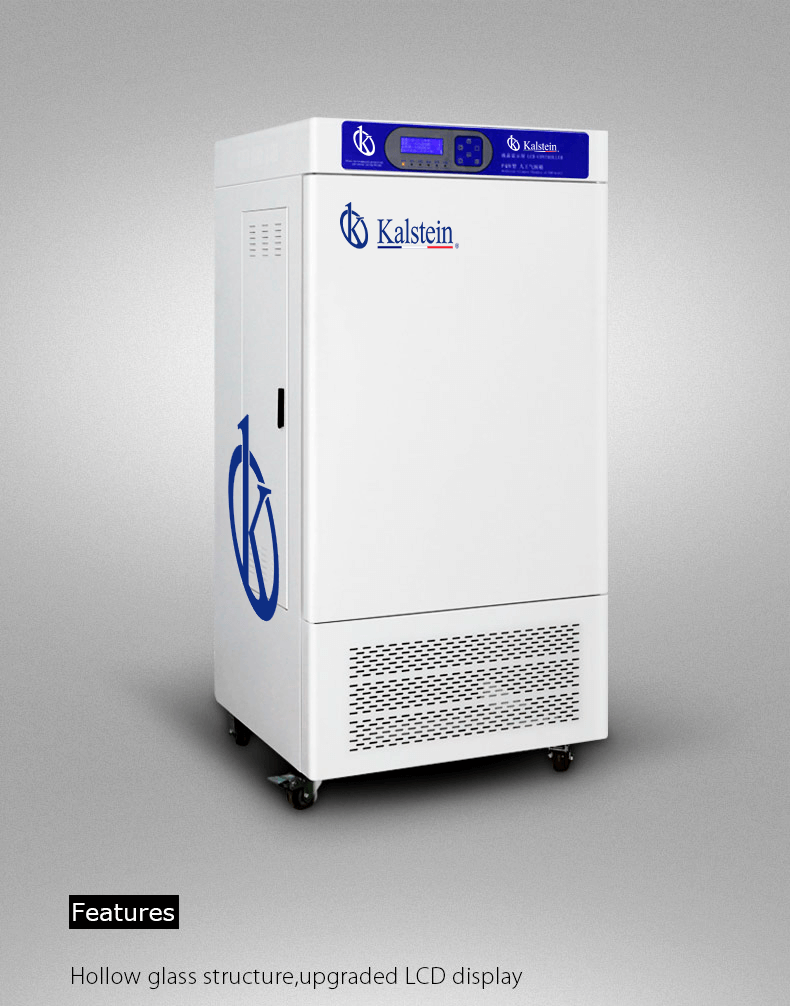
How Energy Efficiency in Plant Growth Chambers Can Reduce Environmental Impact
In laboratory settings, plant growth chambers play a crucial role in supporting plant research and development. However, the energy consumption of these chambers can be substantial, contributing to a larger environmental footprint. This article examines how modern plant growth chambers can enhance energy efficiency, significantly reducing their environmental impacts while maximizing research productivity.
Understanding Energy Sustainability in Plant Growth Chambers
Energy sustainability involves utilizing energy resources in a manner that minimizes environmental degradation while ensuring that research requirements are met. Plant growth chambers designed with energy efficiency in mind not only help laboratories minimize their operational costs but also contribute to healthier ecosystems. By adopting energy-efficient technologies, labs can reduce their reliance on non-renewable energy sources, thus lowering their overall carbon footprint.
Key Features of Energy-Efficient Plant Growth Chambers
Modern plant growth chambers, such as the YR05331, YR05332, and YR05333, are equipped with features aimed at reducing energy consumption. These include:
- Balanced Cooling Systems: These systems maintain optimal temperatures without excessive energy use.
- Intelligent Control Systems: Microcomputer-controlled systems optimize lighting and temperature settings based on real-time conditions.
- Adjustable Lighting: The capacity to adjust light intensity reduces power consumption while still providing adequate light for plant growth.
- Use of Eco-Friendly Refrigerants: These chambers utilize refrigerants that have a lower environmental impact.
Comparative Analysis of Available Models
The following table presents a comparison of the various models of energy-efficient plant growth chambers available on the market, focusing on their key specifications and suitability for different research applications.
| Model | Temperature Range (°C) | Illumination (LX) | Power (W) | Volume (L) | Best For |
|---|---|---|---|---|---|
| YR05331 | 10~50 (with light), 5~60 (without light) | 0~10000 | 900 | 150 | Seed Germination and Microbial Testing |
| YR05332 | 10~50 (with light), 5~60 (without light) | 0~15000 | 1000 | 250 | Plant Growth and Animal Feeding Studies |
| YR05333 | 10~50 (with light), 5~60 (without light) | 0~15000 | 1200 | 350 | Quality Testing and Constant Temperature Experiments |
Strategies for Enhancing Energy Efficiency
To further enhance energy efficiency, laboratories can adopt several strategies:
- Optimizing Usage Patterns: Schedule experiments during off-peak energy hours.
- Regular Maintenance: Ensure that all components are functioning efficiently to prevent energy waste.
- Implementing Renewable Energy Sources: Utilize solar panels or wind energy to power chambers.
- Monitoring Energy Consumption: Use energy monitoring tools to track and optimize usage.
Common Mistakes and How to Avoid Them
When adopting new plant growth chambers, certain common mistakes can lead to increased energy consumption and environmental impact:
- Ignoring Technical Specifications: Always choose a model that aligns with specific research needs. For example, the YR05332 is best for larger plants due to its greater volume.
- Inadequate Training: Ensure lab personnel are trained in operating the controls efficiently to minimize wastage of resources.
- Neglecting Regular Maintenance: Regular checks and maintenance of the cooling and lighting systems are essential to prevent inefficiencies.
Frequently Asked Questions
How can energy-efficient plant growth chambers lower operational costs?
Energy-efficient plant growth chambers like the YR05331 reduce energy consumption significantly, leading to lower operational costs. With features such as intelligent control systems, these models can optimize energy usage, hence potentially halving energy bills compared to traditional models.
What are the energy consumption metrics for the YR05332 model?
The YR05332 model uses 1000W of power and features adjustable illumination levels, helping maintain energy efficiency. By optimizing the lighting, laboratories can significantly reduce their overall energy consumption, making it an excellent option for sustainable practices.
Which features make the YR05333 ideal for eco-conscious laboratories?
The YR05333 is designed with eco-friendly refrigerants and energy-efficient lighting systems. These features not only reduce energy consumption but also minimize environmental impact, making it a suitable choice for eco-conscious laboratories focused on sustainability.
How does LED lighting contribute to the efficiency of plant growth chambers?
LED lighting, utilized in models like the YR05331, provides higher illumination with lower power consumption than traditional lighting. This feature allows for optimal plant growth while minimizing energy use, aligning with sustainability goals in laboratories.
What control mechanisms in plant growth chambers help maintain energy efficiency?
Models such as the YR05332 utilize microcomputer controls that adjust lighting and temperature based on real-time environmental conditions. This adaptive approach ensures that energy is used only when necessary, enhancing efficiency and reducing waste.
How often should plant growth chambers be maintained for optimal performance?
Regular maintenance of plant growth chambers, ideally every 3-6 months, is essential. This includes cleaning and calibrating systems to ensure they operate efficiently, as neglect can lead to increased energy consumption and reduced performance.
What role does insulation play in the energy efficiency of plant growth chambers?
Effective insulation in models like the YR05333 ensures minimal heat exchange with the external environment, thus reducing the energy required to maintain internal conditions. This characteristic is key in achieving energy efficiency in laboratory settings.
How can I assess the environmental impact of a plant growth chamber?
To assess the environmental impact, consider factors such as energy consumption (kWh per cycle), usage frequency, and materials used in construction. Models like the YR05331 are designed to minimize these impacts, making them more sustainable options in laboratory settings.
If you are looking for a fusion of innovation and quality, you have come to the right place. At Kalstein, we offer you the luxury of exploring our exclusive catalog of laboratory equipment. We manufacture every device to the highest standards of excellence. Our intuitive and seamless online purchasing channels are designed for your convenience, securing the most competitive prices. Hesitate no longer — we bring science to life, it is time to become part of our community.