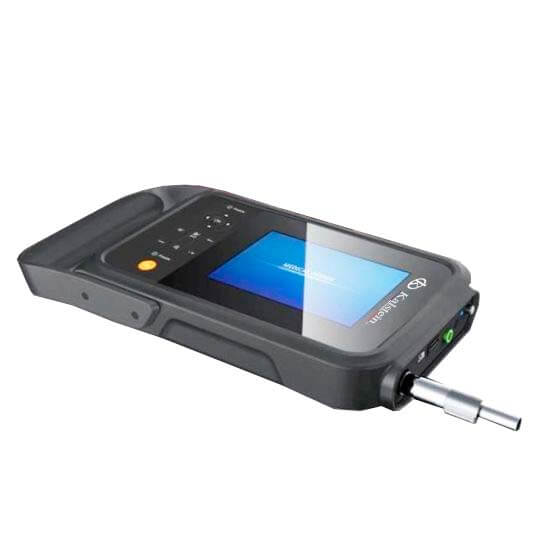
Energy Efficiency in Ultrasonic Diagnostic Equipment: A Comprehensive Guide
The growing concern for environmental sustainability has prompted many industries, including healthcare and diagnostics, to seek energy-efficient solutions. Ultrasonic diagnostic equipment plays a crucial role in various medical and veterinary applications, but it is essential to evaluate their energy consumption and environmental footprint. This article explores how the latest models of ultrasonic diagnostic equipment can enhance sustainability while maintaining high diagnostic standards.
Understanding Energy Efficiency in Ultrasonic Diagnostic Equipment
Energy efficiency refers to the ability of a device to perform its intended function while consuming the least amount of energy. In the context of ultrasonic diagnostic equipment, this means optimizing power usage without compromising the quality of imaging and diagnostics. By focusing on energy-efficient designs, manufacturers can contribute to a reduced carbon footprint and lower operational costs for laboratories and clinics.
Comparison of Available Models
| Model | Energy Consumption (kWh/run) | Battery Life (hours) | Best for |
|---|---|---|---|
| YR05146 | 0.05 | 3 | Veterinary practices |
| YR05147 | 0.07 | 3 | Obstetrics and GYN |
| YR05154 | 0.06 | Not specified | General diagnostics |
| YR05154-1 | 0.08 | Not specified | Mobile diagnostics |
| YR05155 | 0.05 | Not specified | General diagnostics |
| YR05155-1 | 0.09 | Not specified | Mobile diagnostics |
Energy Consumption of Ultrasonic Diagnostic Equipment
Energy consumption in ultrasonic diagnostic equipment varies significantly by model. For instance, the YR05146 model is known for its lightweight design and only consumes about 0.05 kWh per run, making it an excellent choice for veterinary practices looking to minimize energy costs. In contrast, the YR05147, a 3D4D obstetric ultrasound device, has a slightly higher consumption at 0.07 kWh per run but offers comprehensive reporting capabilities that enhance its value.
Reducing Environmental Footprint with Energy Efficiency
By selecting energy-efficient models like the YR05146 and YR05155, laboratories can significantly reduce their environmental footprint. In addition to lower energy consumption, these devices often come with features such as power-saving modes and battery options that further improve sustainability. By adopting these technologies, labs not only comply with regulations but also demonstrate their commitment to environmental responsibility.
Common Mistakes and How to Avoid Them
When investing in ultrasonic diagnostic equipment, one common mistake is not considering the total cost of ownership, which includes energy consumption. For example, while the YR05147 might have a higher initial cost, its energy efficiency and comprehensive features could lead to long-term savings. It is vital to evaluate each model's energy metrics alongside their diagnostic capabilities to ensure a responsible investment.
Factors Influencing Energy Efficiency in Ultrasonic Devices
Several factors influence the energy efficiency of ultrasonic diagnostic equipment, including design, technology used, and operational practices. For instance, devices that utilize advanced imaging software, such as the YR05147, are designed to optimize energy use while delivering high-quality images. Additionally, adopting best practices in usage, such as regular maintenance and efficient scheduling, can further enhance energy savings.
Measuring the Impact of Energy-efficient Ultrasound Equipment
To accurately measure the impact of energy-efficient ultrasonic diagnostic equipment, labs should conduct a lifecycle assessment (LCA) that includes energy consumption, waste generation, and resource use. For example, the YR05155-1, with its portable design, can be assessed for its carbon footprint reduction in mobile applications. This proactive approach helps facilities understand the broader effects of their equipment choices.
Frequently Asked Questions
How does the energy consumption of ultrasonic diagnostic equipment influence lab sustainability?
The energy consumption of ultrasonic diagnostic equipment directly impacts lab sustainability. For instance, the YR05146 consumes only 0.05 kWh per run, allowing labs to save on energy costs and reduce their environmental footprint while providing high-quality veterinary services.
Which ultrasonic diagnostic equipment models are best for reducing energy consumption?
Models like the YR05146 and YR05155 are optimal for reducing energy consumption, with respective consumptions of 0.05 kWh and 0.05 kWh per run. These models are designed to deliver efficient performance while minimizing operational costs.
What features help ultrasonic diagnostic equipment meet energy efficiency standards?
Energy-efficient models such as the YR05147 include features like power-saving modes and high-resolution imaging capabilities that optimize energy usage. These features help labs maintain compliance with energy efficiency standards while offering superior diagnostic services.
How can laboratories assess the environmental impact of their ultrasonic equipment?
Laboratories can assess the environmental impact of ultrasonic equipment by conducting a lifecycle assessment (LCA). This includes evaluating energy consumption, waste generation, and resource use, which can be effectively applied to models like the YR05155-1.
What role does battery life play in the sustainability of portable ultrasonic devices?
Battery life is crucial for the sustainability of portable ultrasonic devices. For example, the YR05146 offers around 3 hours of battery life, enabling efficient use without constant recharging, which contributes to lower overall energy consumption.
How do ultrasonic diagnostic devices contribute to reducing laboratory energy costs?
Ultrasonic diagnostic devices, such as the YR05147, contribute to reducing laboratory energy costs through their efficient energy use, with some models consuming as little as 0.07 kWh per run, thus lowering operational expenses over time.
What advancements are being made in energy-efficient ultrasonic technology?
Advancements in energy-efficient ultrasonic technology include the integration of smart imaging software and energy-saving features. Devices like the YR05154 exemplify these advancements, making them suitable for a variety of diagnostic applications while minimizing energy use.
How can labs ensure they are selecting the most energy-efficient ultrasonic diagnostic equipment?
Labs can ensure they select the most energy-efficient ultrasonic diagnostic equipment by reviewing energy consumption metrics, such as kWh per run, and evaluating features that enhance energy efficiency, as seen with models like the YR05155.
If you are looking for a fusion of innovation and quality, you have come to the right place. At Kalstein, we offer you the luxury of exploring our exclusive catalog of laboratory equipment. We manufacture every device to the highest standards of excellence. Our intuitive and seamless online purchasing channels are designed for your convenience, securing the most competitive prices. Hesitate no longer — we bring science to life, it is time to become part of our community.