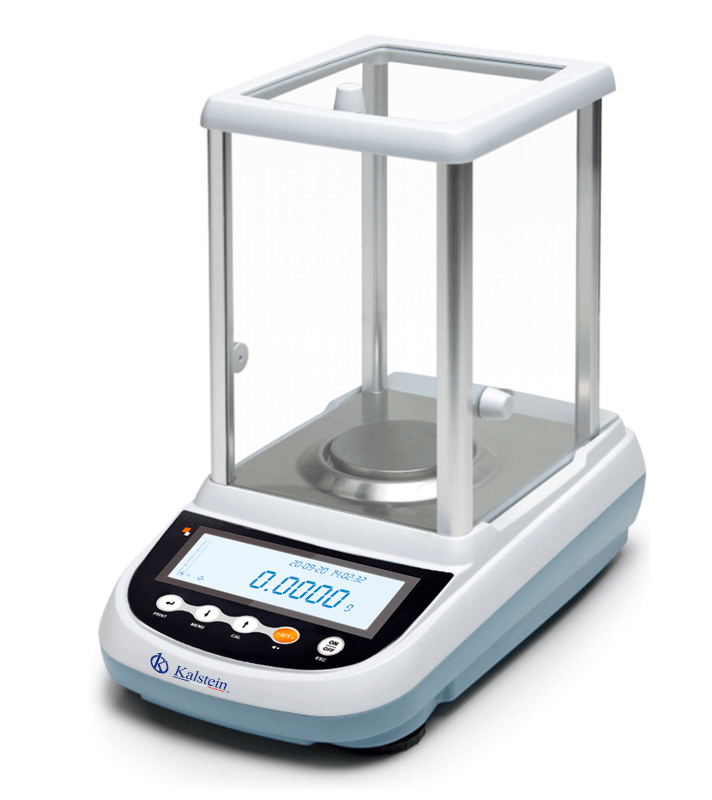
Achieving Energy Sustainability and Reducing Environmental Footprint with Analytical Balances
In today's laboratory environment, energy sustainability and minimizing the environmental footprint have become paramount concerns. As laboratory professionals increasingly prioritize eco-friendly practices, the role of analytical balances in achieving these objectives is critical. Analytical balances are designed not only for precision and accuracy but also for reducing energy consumption and waste, thus aligning with the global push for sustainability. In this article, we will explore how specific models can help laboratories achieve these goals effectively.
Overview of Analytical Balances in Energy Sustainability
Analytical balances are sophisticated devices used to measure the mass of substances with high precision. They are essential in a variety of applications, including pharmaceuticals, food quality control, and academic research. However, their energy consumption and waste management practices are increasingly scrutinized. By choosing energy-efficient models and implementing best practices in usage, laboratories can significantly reduce their carbon footprint.
Comparison of Available Models
| Model | Capacity (g) | Price (USD) | Energy Consumption (kWh/year) | Best Usage Scenario |
|---|---|---|---|---|
| YR05568 | 220 | 790.00 | 60 | General laboratory use |
| YR05569 | 310 | 825.00 | 65 | Quality assurance in pharmaceuticals |
| YR05570 | 410 | 1080.00 | 55 | Academic research |
| YR05571 | 510 | 1125.00 | 58 | Environmental testing |
| YR05572 | 610 | 1240.00 | 50 | High-precision measurement |
| YR05573 | 100 | 325.00 | 45 | Jewelry applications |
Understanding Energy Consumption of Analytical Balances
Energy consumption in analytical balances can vary significantly based on design, features, and intended usage. Models like the YR05572 with a reported energy consumption of just 50 kWh/year exemplify how manufacturers are focusing on sustainability. This balance is equipped with features that reduce energy waste, such as automatic shut-off and energy-efficient display technologies. Understanding the energy footprint is crucial for laboratories aiming to improve their sustainability metrics.
Water and Reagent Savings through Efficient Design
In addition to energy savings, analytical balances can contribute to water and reagent conservation. By implementing features such as internal calibration, models like YR05568 ensure that accurate readings can be taken with minimal setup time and reagent use. This reduces waste and streamlines laboratory processes. Laboratories can actively lower their environmental impact by choosing models that prioritize efficiency in both energy and resource consumption.
Implementing Lifecycle Assessments for Analytical Balances
Conducting a lifecycle assessment (LCA) helps laboratories evaluate the environmental impacts associated with all stages of a product's life, from raw material extraction through production, use, and disposal. By selecting analytical balances that are designed with sustainability in mind, such as the YR05573, laboratories can reduce their overall environmental impact. This balance is built with recyclable materials and offers long-lasting performance, significantly reducing e-waste.
Strategies for Reducing Environmental Footprint in Laboratories
Laboratories can adopt various strategies to minimize their environmental footprint while using analytical balances. Implementing best practices like maintaining equipment regularly, optimizing operational protocols, and training staff on energy-efficient practices can lead to substantial improvements. For instance, routinely calibrating the YR05570 helps maintain accuracy and efficiency, reducing the need for excessive reagent use or energy wastage.
Common Mistakes and How to Avoid Them
One of the primary mistakes labs make is underestimating the energy consumption of their equipment. Often, they opt for lower initial costs without considering long-term energy efficiency. To avoid this, laboratories should assess the total cost of ownership, including energy use, maintenance, and potential waste generation. Additionally, failing to utilize the latest features designed for energy savings, such as the automatic calibration in YR05568 models, can hinder sustainability efforts.
Frequently Asked Questions
How do I choose an analytical balance with low energy consumption?
When selecting an analytical balance, prioritize models like YR05572 that offer low energy consumption, such as 50 kWh/year. Look for features such as automatic shut-off and energy-efficient displays, which can significantly reduce ongoing operational costs.
What are the specific sustainability features of the YR05573 analytical balance?
The YR05573 analytical balance incorporates an internal calibration system and is constructed from recyclable materials, making it a sustainable choice. Its design also minimizes energy consumption, with only 45 kWh/year, which contributes to a reduced environmental footprint.
How can analytical balances help in reducing laboratory waste?
Analytical balances like the YR05568 minimize waste through accurate measurements that reduce the need for excess reagents. By ensuring precise data, laboratories can avoid overuse of materials, thus lowering their overall environmental impact.
What is the expected lifespan of an analytical balance like YR05570?
Typically, analytical balances such as the YR05570 have a lifespan of 10 years or more with proper maintenance. Its robust design aids in longevity, reducing the need for replacements and thus minimizing waste generation.
Which features should I look for to ensure compliance with environmental standards?
Look for analytical balances equipped with energy-efficient technologies, like the YR05571, which offers automatic calibration and low energy consumption. Compliance with environmental standards often includes features that contribute to minimizing energy and waste impact.
Can I integrate analytical balances with sustainability initiatives in my laboratory?
Yes, analytical balances such as the YR05569 can easily be integrated into sustainability initiatives. Their energy-efficient designs, combined with proper usage protocols, support laboratories in meeting their green objectives.
How does the internal calibration feature in analytical balances aid in sustainability?
The internal calibration feature in models like YR05568 allows for consistent precision without frequent manual adjustments, reducing the time and resources required for calibration processes. This contributes to overall efficiency and sustainability in laboratory operations.
What are the long-term cost benefits of choosing energy-efficient analytical balances?
Choosing energy-efficient analytical balances, such as the YR05572, leads to significant long-term cost savings on energy bills, reduced reagent use, and minimized waste disposal costs. This results in a lower total cost of ownership over time, benefiting both the environment and the laboratory budget.
If you are looking for a fusion of innovation and quality, you have come to the right place. At Kalstein, we offer you the luxury of exploring our exclusive catalog of laboratory equipment. We manufacture every device to the highest standards of excellence. Our intuitive and seamless online purchasing channels are designed for your convenience, securing the most competitive prices. Hesitate no longer — we bring science to life, it is time to become part of our community.