How to Achieve Energy Sustainability and Reduce Environmental Footprint in Chemical Analyzers
In today's rapidly evolving scientific landscape, laboratories are increasingly focused on energy sustainability and reducing environmental footprints. Chemical analyzers are integral to laboratory operations, but they also contribute to energy consumption and waste generation. This article explores various models of chemical analyzers and examines how they can be optimized for sustainability while maintaining high performance and accuracy.
Understanding Energy Sustainability in Chemical Analyzers
Energy sustainability refers to practices that minimize energy consumption while maximizing efficiency. In the context of chemical analyzers, this involves utilizing technologies that provide accurate results without excessive energy costs. For instance, models like the YR06075 Automatic Chemistry Analyzer can perform 560 tests per hour but also incorporate features that reduce energy usage, such as efficient warming systems and automatic shut-offs.
Moreover, advancements in LED lighting and the use of energy-efficient components are crucial. Notably, many modern analyzers now feature components that meet ENERGY STAR guidelines, thereby reducing total energy consumption and lowering operational costs.
Reducing Environmental Impact Through Waste Management
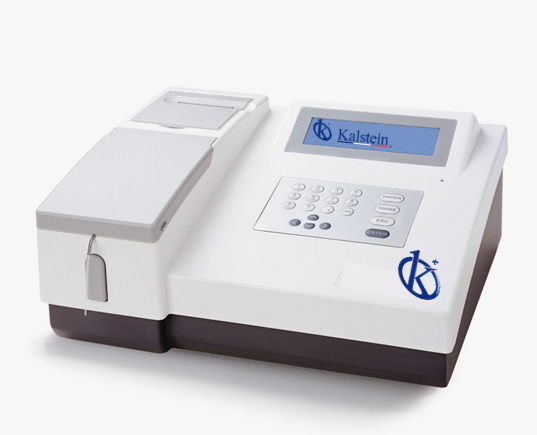
Environmental footprint can be significantly reduced through effective waste management protocols in laboratories. Chemical analyzers generate waste in the form of reagents and consumables. Therefore, choosing models that use fewer reagents or that have a closed-loop system, like the YR05116 Semiautomatic Chemistry Analyzer, can greatly minimize waste. This model supports both cuvette and flow cell testing modes, providing flexibility and reducing the demand for single-use items.
Additionally, implementing recycling protocols for plastic and glassware associated with chemical analyses can further mitigate environmental impact. Laboratories should also consider suppliers that follow eco-friendly practices in manufacturing and packaging their products.
Energy Consumption Metrics in Chemical Analyzers
Understanding the energy consumption metrics of chemical analyzers is essential for evaluating their sustainability. For instance, the YR06092 Portable Chemical Analyzer has a power capacity of 70W, while the YR06075 Automatic Chemistry Analyzer has a maximum power consumption of 1500W. Analyzing these metrics allows laboratories to make informed decisions regarding equipment purchases based on their sustainability goals.
| Model | Power Consumption (W) | Test Capacity (tests/hour) | Best for |
|---|---|---|---|
| YR06075 | 1500 | 560 | High-demand environments |
| YR06092 | 70 | N/A | Portable applications |
Lifecycle Assessment of Chemical Analyzers
A lifecycle assessment (LCA) evaluates the environmental impacts of a product from its creation to disposal. When assessing chemical analyzers, factors such as manufacturing processes, energy consumption during operation, and end-of-life disposal must be considered. Models like the YR05115 Semi-automatic Chemistry Analyzer are designed with energy-efficient components that contribute to a reduced carbon footprint throughout their lifecycle.
Furthermore, laboratories can conduct LCAs on each model to compare their environmental impacts and select those with lower overall footprints.
Implementation of Energy-Efficient Features
Modern chemical analyzers often come equipped with energy-efficient features aimed at reducing consumption. For example, the YR05114 Semi-automatic Chemistry Analyzer includes a hibernation mode that conserves energy when the device is not in use. This feature not only extends the lifespan of components but also contributes to overall energy savings.
Additionally, including features such as programmable schedules and remote control capabilities can enhance the operational efficiency of these analyzers, allowing laboratories to optimize their energy usage during peak times.
Comparison of Available Models
| Model | Power Consumption (W) | Test Capacity | Best for | Energy Sustainability Features |
|---|---|---|---|---|
| YR05115 | 800 | 80 | General lab use | Hibernation mode |
| YR05114 | 950 | 80 | General lab use | Hibernation mode |
| YR06092 | 70 | N/A | Portable applications | Low energy consumption |
| YR06075 | 1500 | 560 | High-demand environments | High throughput |
| YR05116 | 1300 | Multiple | Flexibility in testing | System open to various reagents |
| YR06078 | 1100 | 75 | Versatile laboratory settings | Multiple testing modes |
Common Mistakes and How to Avoid Them
One common mistake in laboratories focused on sustainability is overlooking the importance of energy-efficient equipment. Laboratories often opt for cheaper models without considering the long-term implications. Investing in models like the YR06078 Semi-Automatic Chemistry Analyzer, with its versatile features and energy-saving technologies, can save money in the long run while reducing environmental impact.
Another mistake is neglecting the proper training of staff on how to use these energy-efficient features effectively. Ensuring staff understand the significance of energy-saving modes and optimal operation can greatly enhance a laboratory's sustainability efforts.
Frequently Asked Questions
What are the energy consumption benefits of the YR06092 Portable Chemical Analyzer?
The YR06092 Portable Chemical Analyzer operates at only 70W, making it highly energy-efficient for portable applications. Its low power consumption is ideal for laboratories aiming to reduce their environmental footprint.
How does the YR06075 Automatic Chemistry Analyzer support sustainability initiatives?
The YR06075 Automatic Chemistry Analyzer supports sustainability by offering a high throughput of up to 560 tests per hour, which optimizes resource use and minimizes waste generated in high-demand environments.
Which features make the YR05116 Semiautomatic Chemistry Analyzer energy-efficient?
The YR05116 Semiautomatic Chemistry Analyzer has a hibernation mode that conserves energy during periods of inactivity. This feature significantly reduces electricity usage, supporting sustainability in laboratory operations.
How can laboratories effectively reduce reagent waste with chemical analyzers?
Laboratories can reduce reagent waste by selecting models like the YR05115 Semi-automatic Chemistry Analyzer, which allows for both cuvette and flow cell testing, minimizing the need for single-use consumables.
What role does lifecycle assessment play in selecting chemical analyzers?
A lifecycle assessment helps laboratories evaluate the environmental impacts of chemical analyzers throughout their use. By assessing models like the YR05114 Semi-automatic Chemistry Analyzer, labs can choose equipment that aligns with their sustainability goals.
How do energy-efficient features enhance laboratory productivity?
Energy-efficient features, such as those found in the YR06078 Semi-Automatic Chemistry Analyzer, help laboratories optimize their energy usage. This leads to reduced costs and improved productivity through efficient operation and reduced downtime.
What are the common mistakes laboratories make while pursuing sustainability?
Common mistakes include choosing lower-cost models that aren't energy-efficient and not training staff on how to utilize energy-saving features. Proper investment in equipment like the YR06092 Portable Chemical Analyzer can prevent these pitfalls.
To ensure that your laboratory is equipped with energy-efficient and sustainable chemical analyzers, consider requesting a quote on Kalstein Plus. Our team can provide you with tailored solutions that meet your laboratory's needs.
If you are looking for a fusion of innovation and quality, you have come to the right place. At Kalstein, we offer you the luxury of exploring our exclusive catalog of laboratory equipment. We manufacture every device to the highest standards of excellence. Our intuitive and seamless online purchasing channels are designed for your convenience, securing the most competitive prices. Hesitate no longer — we bring science to life, it is time to become part of our community.