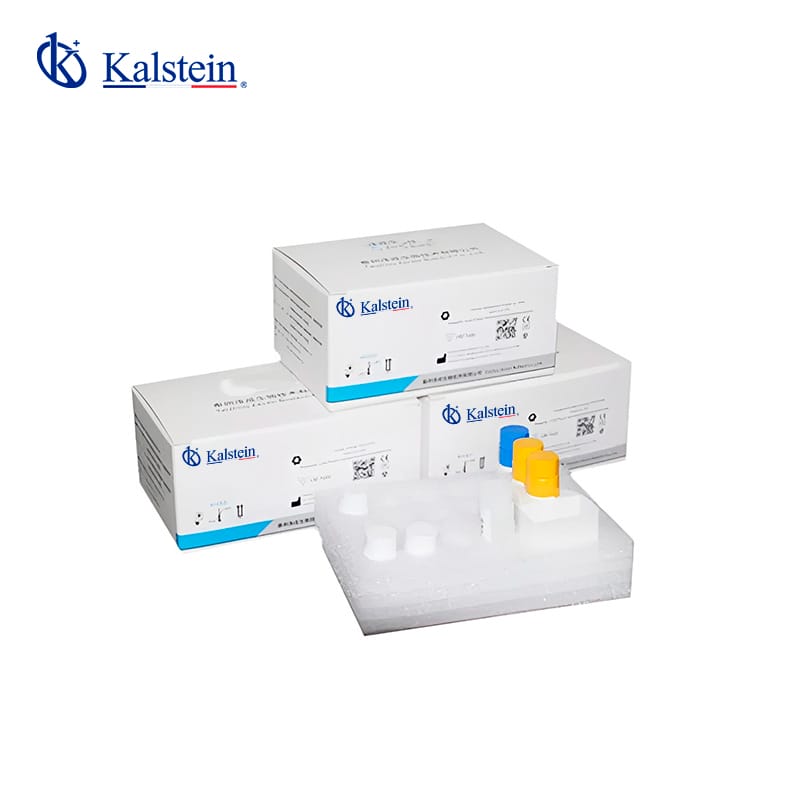
How to Optimize Energy Sustainability in Chemiluminescence Reagents
In today's laboratory environment, the push towards energy sustainability is more prominent than ever. The increasing concern over environmental impacts necessitates a focus on reducing the carbon footprint associated with laboratory operations. This article aims to explore specific strategies and practices related to chemiluminescence reagents that laboratories can adopt to optimize energy consumption and minimize environmental impact.
Understanding Chemiluminescence Reagents and Energy Sustainability
Chemiluminescence reagents are essential for various assays and diagnostics, particularly in immunoassays. They provide enhanced sensitivity and specificity, which are crucial for accurate results. However, the energy required for their production, storage, and usage can significantly contribute to a laboratory's overall energy consumption. By understanding these aspects, laboratories can implement strategies to improve energy sustainability.
Exploring Energy Consumption in Chemiluminescence Assays
The energy consumption during chemiluminescence assays can primarily be divided into three segments: reagent preparation, assay execution, and waste management. Each of these segments offers opportunities for energy efficiency improvements. For instance, optimizing reagent storage conditions can reduce energy wastage.
Reducing Reagent Waste in Chemiluminescence Analysis
Reagent waste is a significant contributor to the environmental footprint of chemiluminescence assays. By adopting best practices in reagent management, such as using only the necessary amount of reagents and ensuring proper storage, laboratories can drastically reduce waste. Additionally, implementing protocols to recycle or repurpose reagents can further minimize environmental impact.
Comparison of Available Models
| Model | Cost (USD) | Parameters Tested | Best Use Case |
|---|---|---|---|
| YRA279 | 15.00 | TSH, TT3, TT4, FT3, FT4, TFAb, TPOAb, TRAb | General thyroid testing |
| YRA280 | 15.00 | TSH, TT3, TT4, FT3, FT4, TFAb, TPOAb, TRAb | General thyroid testing |
| YRA281 | 15.00 | TSH, TT3, TT4, FT3, FT4, TFAb, TPOAb, TRAb | General thyroid testing |
| YRA282 | 15.00 | TSH, TT3, TT4, FT3, FT4, TFAb, TPOAb, TRAb | General thyroid testing |
| YRA283 | 15.00 | TSH, TT3, TT4, FT3, FT4, TFAb, TPOAb, TRAb | General thyroid testing |
| YRA284 | 35.00 | TSH, TT3, TT4, FT3, FT4, TFAb, TPOAb, TRAb | General thyroid testing |
Implementing Energy-Efficient Practices in the Laboratory
Adopting energy-efficient practices is essential in reducing overall energy consumption. This includes optimizing the laboratory layout to reduce transportation distances, using energy-efficient equipment, and training staff on energy-saving techniques. For example, utilizing models like YRA284, which are designed for energy efficiency, can contribute significantly to sustainability goals.
Lifecycle Assessment of Chemiluminescent Reagents
A lifecycle assessment (LCA) of chemiluminescent reagents helps laboratories understand the total environmental impact from production to disposal. By analyzing the environmental costs associated with each stage of the reagent's life, laboratories can identify areas for improvement. For instance, if the production phase is found to be the most energy-intensive, labs might consider sourcing reagents from manufacturers with sustainable practices.
Common Mistakes and How to Avoid Them
Laboratories often make common mistakes that hinder their sustainability efforts. These include underestimating the importance of proper reagent disposal, neglecting energy audits, and failing to engage staff in sustainability practices. To avoid these pitfalls, it is crucial to establish clear protocols and regularly review sustainability goals.
Frequently Asked Questions
What are the key parameters tested by YRA279 chemiluminescence reagents?
The YRA279 chemiluminescence reagent tests for several key thyroid function parameters, including TSH, TT3, TT4, FT3, FT4, TFAb, TPOAb, and TRAb. This comprehensive testing enables clinicians to accurately assess thyroid function and identify potential disorders.
How does the YRA284 model contribute to energy sustainability?
The YRA284 model is designed with energy-efficient protocols that minimize the energy required during assays. By using this model, laboratories can significantly reduce their energy consumption and overall environmental footprint while maintaining high-quality results.
What are best practices for minimizing reagent waste in chemiluminescence analysis?
To minimize reagent waste, laboratories should implement inventory management systems to track reagent usage, utilize only required amounts, and explore recycling options where feasible. This can help reduce overall costs and environmental impact associated with chemiluminescence reagents.
How can lifecycle assessment improve sustainability in laboratories?
A lifecycle assessment provides insight into the environmental impact associated with each phase of reagent use, from production to disposal. By identifying areas of high impact, laboratories can target specific practices to enhance sustainability and reduce energy consumption.
What role does staff training play in energy sustainability?
Staff training is crucial for energy sustainability as it ensures that all personnel understand the importance of energy-efficient practices. Training sessions can cover proper reagent handling, efficient laboratory practices, and sustainable equipment usage, which collectively contribute to the lab's overall efficacy.
How can a laboratory assess its current energy consumption related to chemiluminescence reagents?
Laboratories can assess energy consumption by conducting energy audits, tracking the energy used in reagent preparation and usage, and comparing this with established benchmarks. Understanding current consumption can help identify improvement opportunities and promote more sustainable practices.
What strategies can laboratories adopt for effective waste management?
Effective waste management strategies include establishing clear disposal protocols, training staff on proper disposal methods, and exploring recycling programs for chemiluminescence reagents. These strategies can significantly reduce a laboratory's environmental footprint.
How does energy-efficient equipment impact overall laboratory costs?
Using energy-efficient equipment reduces operational costs by lowering energy consumption and waste. This is particularly beneficial with chemiluminescence reagents, where energy-intensive processes can be minimized, leading to substantial long-term savings for laboratories.
If you are looking for a fusion of innovation and quality, you have come to the right place. At Kalstein, we offer you the luxury of exploring our exclusive catalog of laboratory equipment. We manufacture every device to the highest standards of excellence. Our intuitive and seamless online purchasing channels are designed for your convenience, securing the most competitive prices. Hesitate no longer — we bring science to life, it is time to become part of our community.