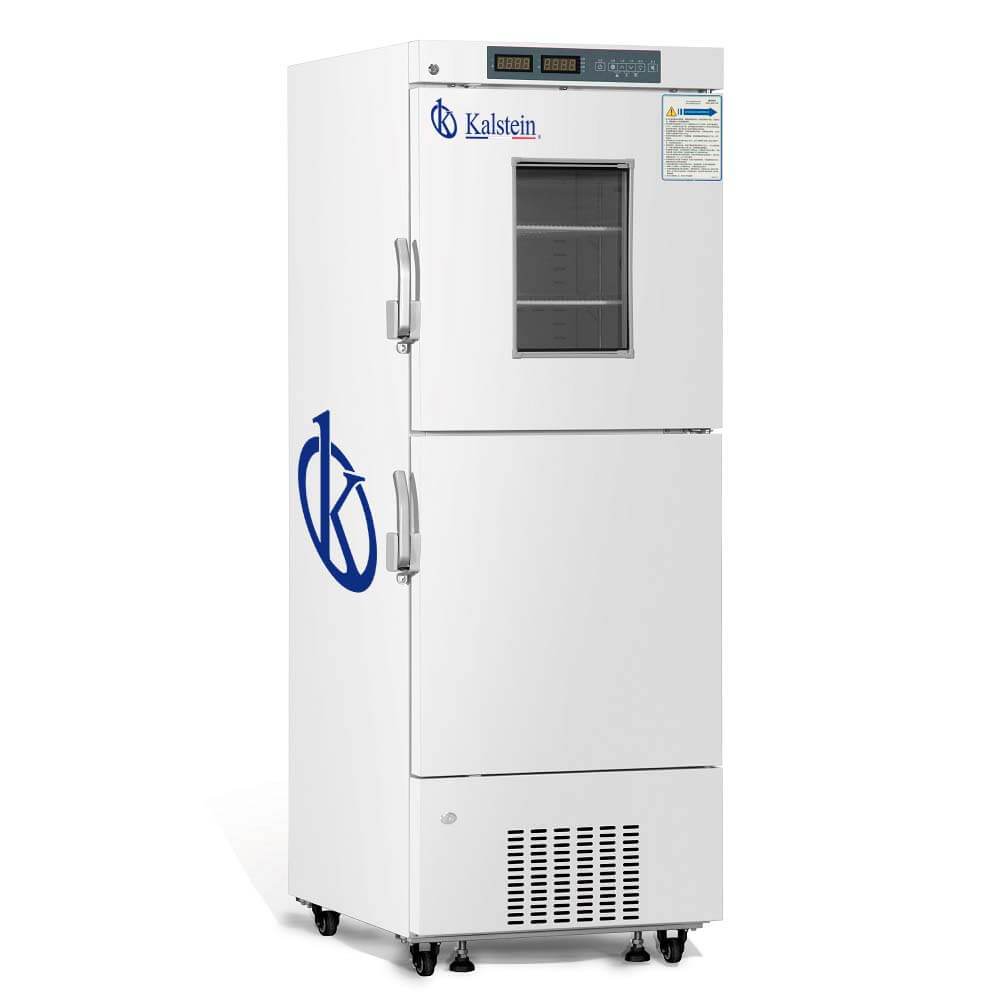
Energy Sustainability and Environmental Footprint Reduction in Combined Freezers: A Comprehensive Guide
In the realm of laboratory equipment, the importance of energy sustainability and minimizing environmental impact cannot be overstated. Combined freezers play a vital role in the storage of critical samples, yet their operational efficiency significantly affects both energy consumption and the overall carbon footprint of laboratory practices. Understanding the features and specifications of combined freezers can aid laboratory professionals in making informed choices that align with sustainability goals.
Understanding Energy Sustainability in Combined Freezers
Energy sustainability refers to the ability to maintain a balance between energy consumption and the environmental impact of that consumption. Combined freezers, such as models YR05320, YR05321, and YR05321-1, are designed to operate efficiently, reducing the energy required for refrigeration while maintaining optimal storage conditions for sensitive biological materials.
These freezers utilize advanced cooling technologies that minimize energy waste. For instance, models equipped with R600a and R290 refrigerants demonstrate lower energy consumption rates, making them more environmentally friendly choices. Adopting energy-efficient equipment not only lowers operational costs but also contributes to meeting sustainability targets in laboratory environments.
Key Specifications Influencing Energy Consumption
The energy efficiency of a combined freezer can be assessed through several technical specifications. Critical parameters include cooling method, power consumption (kWh/24h), temperature range, and noise levels. For example:
| Model | Cooling Method | Power Consumption (kWh/24h) | Temperature Range |
|---|---|---|---|
| YR05320 | Direct Cooling | 4.15 | F: -20°C to -40°C, R: 2°C to 8°C |
| YR05321 | Direct Cooling | 3.03 | F: -10°C to -25°C, R: 2°C to 8°C |
| YR05321-1 | Direct Cooling | 3.03 | F: -10°C to -25°C, R: 2°C to 8°C |
Understanding these parameters allows lab managers to choose models that provide optimal performance while minimizing energy consumption.
The Role of Temperature Settings in Energy Efficiency
Temperature settings directly impact energy consumption in combined freezers. Maintaining temperatures that are necessary for sample preservation without excessive cooling can lead to significant energy savings. For instance, setting the upper chamber of model YR05321 to 2-8°C while keeping the lower chamber between -10 to -25°C ensures that energy is not wasted on over-cooling.
Furthermore, utilizing the independent temperature control available in models like YR05321 and YR05321-1 allows for tailored temperature management according to the specific needs of stored materials, further enhancing energy efficiency.
Implementing Best Practices for Reducing Environmental Footprint
Laboratories can adopt several best practices to minimize their environmental footprint when using combined freezers. Here are some strategies:
- Regular maintenance of equipment to ensure optimal performance.
- Utilization of energy-saving modes when possible.
- Strategic placement of freezers to reduce ambient temperature impact.
Implementing these practices can lead to a substantial reduction in energy usage, contributing to overall sustainability initiatives in laboratory operations.
Comparison of Available Models
To assist professionals in making informed decisions, the following table outlines the key qualities of different combined freezer models regarding energy sustainability:
| Model | Power Consumption (kWh/24h) | Temperature Range | Best Use Case |
|---|---|---|---|
| YR05320 | 4.15 | F: -20°C to -40°C, R: 2°C to 8°C | Storing plasma and biological samples |
| YR05321 | 3.03 | F: -10°C to -25°C, R: 2°C to 8°C | Used in hospitals and blood stations |
| YR05321-1 | 3.03 | F: -10°C to -25°C, R: 2°C to 8°C | Ideal for labs requiring dual temperature control |
Common Mistakes and How to Avoid Them
When selecting and using combined freezers, laboratory professionals often make mistakes that can compromise energy efficiency and sustainability efforts. Common pitfalls include:
- Ignoring energy consumption ratings in the selection process.
- Failing to maintain equipment regularly, leading to increased power usage.
- Overcooling samples, which unnecessarily escalates energy costs.
By being aware of these common mistakes, professionals can take proactive measures to ensure energy efficiency and sustainability in their laboratory practices.
Frequently Asked Questions
How can I ensure my combined freezer meets energy sustainability standards?
To ensure your combined freezer, like the YR05321, meets energy sustainability standards, you should check for energy-efficient features, such as low kWh per 24 hours and eco-friendly refrigerants like R290. Regular maintenance is also key to optimizing energy consumption.
What are the best practices for operating a combined freezer to reduce environmental impact?
Best practices for operating combined freezers such as YR05320 include maintaining optimal temperature settings, performing regular maintenance, and utilizing energy-saving modes when available. These practices collectively help minimize the environmental impact.
Which combined freezer model is the most energy efficient?
The YR05321 model is among the most energy-efficient combined freezers, with a power consumption of only 3.03 kWh per 24 hours, making it suitable for environments where energy sustainability is a priority.
Can I adjust the temperature settings in a combined freezer for better energy efficiency?
Yes, models like YR05321 and YR05321-1 allow for independent temperature adjustments, enabling you to set optimal temperatures for different compartments, which in turn enhances energy efficiency.
How does the energy consumption of combined freezers compare to traditional freezers?
Combined freezers, such as the YR05320, generally consume less energy compared to traditional freezers due to advanced cooling technologies and better insulation, making them a more sustainable option in laboratory settings.
What should I consider when selecting a combined freezer for my laboratory?
When selecting a combined freezer, consider factors such as energy consumption (kWh), temperature range, and the specific needs of your stored materials. Models like YR05321 offer dual temperature control, enhancing flexibility for lab requirements.
How frequently should I maintain my combined freezer for optimal performance?
Regular maintenance, ideally every 6 months, is essential for optimal performance of combined freezers like the YR05321. This includes checking seals, cleaning coils, and ensuring temperature settings are accurate.
What is the impact of refrigerant choice on the environmental footprint of combined freezers?
Choosing environmentally friendly refrigerants, such as R290 used in models like YR05321, significantly reduces the greenhouse gas emissions associated with combined freezers, thereby lowering their overall environmental footprint.
If you are looking for a fusion of innovation and quality, you have come to the right place. At Kalstein, we offer you the luxury of exploring our exclusive catalog of laboratory equipment. We manufacture every device to the highest standards of excellence. Our intuitive and seamless online purchasing channels are designed for your convenience, securing the most competitive prices. Hesitate no longer — we bring science to life, it is time to become part of our community.