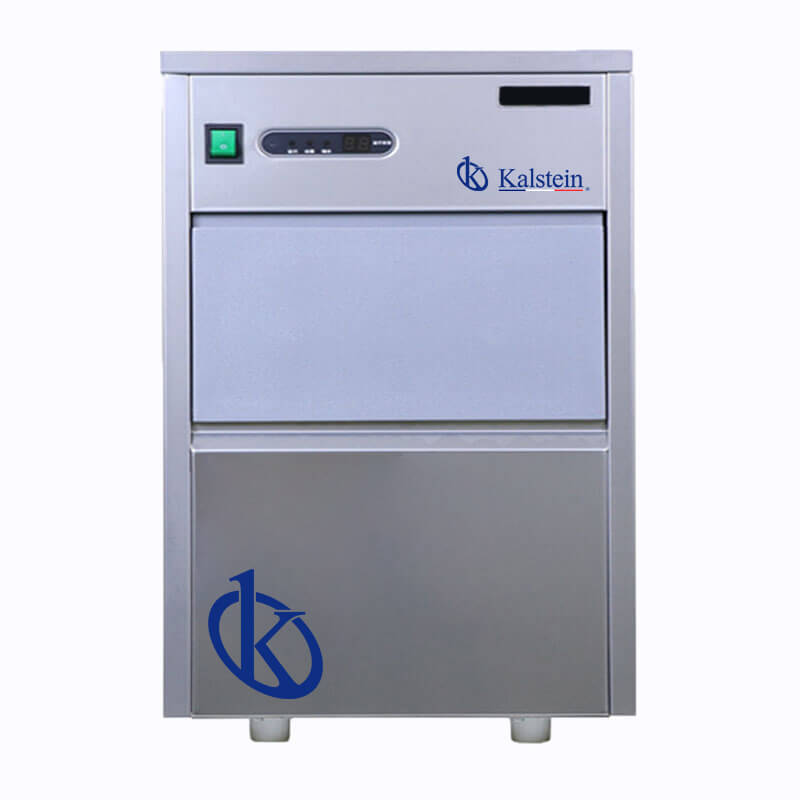
Energy Sustainability and Environmental Footprint Reduction in Ice Machines for Laboratories 2026
As laboratory professionals increasingly prioritize sustainability, the selection of equipment, such as ice machines, plays a crucial role in minimizing environmental impact. This article delves into how different ice machine models contribute to energy efficiency and reduced carbon footprints in laboratory environments. Understanding the sustainability features and operational efficiencies of various models can guide informed decisions for laboratories aiming for eco-friendly practices.
Understanding the Importance of Energy Sustainability in Laboratory Ice Machines
Energy sustainability in laboratory ice machines involves using technologies and practices that minimize energy consumption while maintaining operational efficiency. With the rising awareness of climate change and the need for responsible resource management, selecting ice machines that support sustainability initiatives can significantly influence a laboratory's overall environmental footprint. Many laboratories are seeking to reduce energy costs and enhance their reputations as environmentally conscious organizations. By focusing on energy-efficient models, laboratories can contribute to a greener future.
Key Features of Sustainable Ice Machines
Modern ice machines offer several features that enhance their energy efficiency and sustainability. For example, the use of high-quality stainless steel, such as SUS304, ensures durability and resistance to corrosion, reducing the need for replacements and repairs. Advanced cooling systems, such as those utilizing R134a compressors, are designed to operate without CFCs, thereby minimizing environmental impact. Additionally, computerized ice production processes allow for precise control over energy use, leading to optimized performance and reduced waste.
Comparison of Available Models
| Model | Ice Production (kg/24h) | Power (W) | Storage (kg) | Price (USD) |
|---|---|---|---|---|
| YR05130 | 20 | 280 | 10 | 435.00 |
| YR05131 | 30 | 300 | 10 | 465.00 |
| YR05132 | 40 | 360 | 15 | 525.00 |
| YR05133 | 50 | 380 | 15 | 565.00 |
| YR05134 | 60 | 420 | 25 | 655.00 |
| YR05135 | 70 | 460 | 25 | 679.00 |
Evaluating Energy Consumption and Environmental Impact
When it comes to energy consumption, each model's specifications provide insights into its operational efficiency. For instance, the YR05130 has an ice production capacity of 20 kg per day with a power consumption of 280 W. In contrast, the YR05134, with a capacity of 60 kg, consumes 420 W. This illustrates the efficiency of higher-capacity machines that produce more ice with a reasonable increase in energy use. Moreover, evaluating the water consumption associated with each model is essential, as it directly affects the overall sustainability of the machine.
Practical Tips for Reducing Environmental Footprint
To effectively reduce the environmental footprint when using ice machines, consider the following strategies:
- Regular maintenance to ensure optimal performance and prevent energy waste.
- Utilizing the machines during off-peak hours to reduce energy costs and load on the power grid.
- Investing in models featuring energy-efficient technologies and materials.
- Implementing a water recycling system to minimize water waste.
Common Mistakes and How to Avoid Them
Laboratories often make mistakes in selecting ice machines that don't align with sustainability goals. Common errors include:
- Choosing models based solely on initial cost rather than long-term energy efficiency.
- Overlooking the importance of ice production capacity for the lab's specific needs.
- Failing to account for the total cost of ownership, including energy consumption and maintenance.
To avoid these pitfalls, laboratories should perform a comprehensive analysis of each model's lifecycle costs and sustainability features before making a purchase decision.
Frequently Asked Questions
What are the energy efficiency ratings for the YR05130 ice machine in 2026?
The YR05130 ice machine, with a production capacity of 20 kg per day and power consumption of 280 W, is designed to be energy efficient, making it suitable for laboratories aiming to reduce their energy footprint.
How does the YR05134 model contribute to sustainability in laboratory settings?
The YR05134 model, capable of producing 60 kg of ice per day while consuming 420 W, uses advanced materials and technology to ensure durability and efficiency, significantly reducing its environmental impact.
Which ice machine model offers the best balance between production capacity and energy consumption?
The YR05132 model stands out with its 40 kg production capacity at 360 W, making it a strong option for laboratories focused on energy sustainability without compromising on ice supply.
How can I minimize water usage with my ice machine in a laboratory?
Implementing a water recycling system and selecting models like the YR05133, which balances ice production with efficient water use, can help laboratories minimize their overall water footprint.
What features should I look for in a sustainable ice machine?
Look for features such as high-quality stainless steel construction, CFC-free compressors, and computerized control systems, as seen in models like the YR05131, which enhance energy efficiency and longevity.
What are the maintenance requirements for the YR05135 ice machine?
Regular cleaning, checking refrigerant levels, and ensuring proper ventilation are essential maintenance practices for the YR05135 model to maintain its energy efficiency and extend its lifespan.
How does the ice production capacity affect energy consumption in YR05130?
The YR05130 produces 20 kg of ice daily with a power consumption of 280 W. As production capacity increases, energy consumption must be balanced to maximize efficiency and sustainability.
What are the cost implications of using high-quality ice machines in labs?
Investing in high-quality models like the YR05134 may have a higher initial cost, but their energy efficiency and reliability can lead to significant savings in operational costs over their lifespan.
In conclusion, choosing the right ice machine is vital for laboratories aiming for energy sustainability and reduced environmental impacts. By evaluating the models available, understanding their features, and implementing best practices, laboratories can enhance their operational efficiency while contributing to a more sustainable future.
If you are looking for a fusion of innovation and quality, you have come to the right place. At Kalstein, we offer you the luxury of exploring our exclusive catalog of laboratory equipment. We manufacture every device to the highest standards of excellence. Our intuitive and seamless online purchasing channels are designed for your convenience, securing the most competitive prices. Hesitate no longer — we bring science to life, it is time to become part of our community.