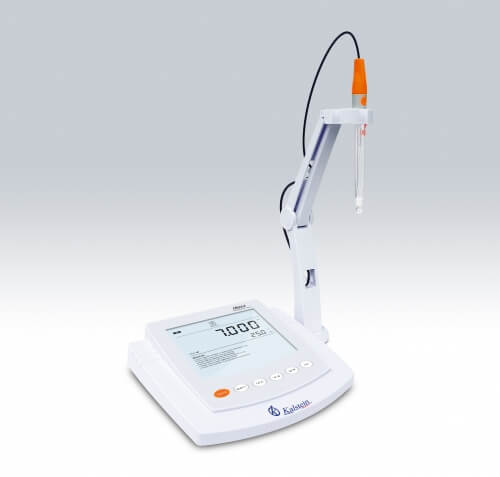
Energy Sustainability and Environmental Footprint Reduction in Table Conductivity Controllers
As laboratories increasingly focus on sustainability and reducing their environmental impact, table conductivity controllers emerge as vital instruments. These devices not only enable precise measurements but also play a significant role in minimizing energy consumption and overall ecological footprints. This article delves into the capabilities of various models in the table conductivity controller category, assessing their features through the lens of energy sustainability.
Framing the Family: Table Conductivity Controllers in Sustainability Context
Table conductivity controllers are essential tools for measuring the conductivity of liquids, a crucial parameter in numerous laboratory applications. However, with growing concerns about energy usage and environmental sustainability, these instruments have evolved to incorporate features aimed at reducing their ecological impact. Models like the YR01836-1 and YR01829 integrate energy-efficient technologies and smart functionalities that contribute to a more sustainable laboratory environment.
Features Contributing to Energy Efficiency
Modern table conductivity controllers often come equipped with features designed to minimize energy consumption. For instance, many models include:
- Auto Power-Off: Automatically shuts down the device after a predetermined period of inactivity, saving energy.
- Low Energy LCD Displays: Utilizing energy-efficient backlit screens for improved readability while consuming minimal power.
- Smart Calibration Functions: Reducing the frequency of manual calibrations, which can consume both time and resources.
Environmental Impact: A Comparison of Models
When evaluating the environmental footprint of table conductivity controllers, it's essential to consider not just their initial energy consumption but also their overall operational efficiency. Below is a comparison of key models, focusing on specifications relevant to sustainability.
| Model | Calibration Points | Power Features | Display Type | Best Use |
|---|---|---|---|---|
| YR01836-1 | 1 to 5 | Auto Power-Off | Large LCD | Research Laboratories |
| YR01836 | 1 to 3 | USB Output, Auto Shutoff | 5-Inch LCD | Quality Control |
| YR01829-1 | 1 to 3 | Auto Calibration | Backlit LCD | Daily Testing |
| YR01829-2 | 1 to 3 | Energy-Saving Features | Backlit LCD | Routine Analysis |
| YR01829 | 1 to 3 | Bluetooth Connectivity | Touch Screen | Advanced Research |
| YR01828 | 1 to 3 | Wireless Printing | Touch Screen | Comprehensive Analysis |
Common Mistakes and How to Avoid Them
When integrating table conductivity controllers into laboratory routines, common mistakes can significantly impact performance and sustainability. Here are some pitfalls to avoid:
- Neglecting Calibration: Failing to regularly calibrate the instruments can lead to inaccurate readings and increased resource waste.
- Improper Usage of Power Settings: Not utilizing energy-saving modes can unnecessarily increase energy consumption. Ensure that models like the YR01836 take advantage of automatic shutoff features.
- Inadequate Training: Underestimating the need for operator training on energy-efficient practices can hinder sustainability efforts.
Frequently Asked Questions
How do table conductivity controllers assist in reducing energy consumption in laboratories?
Table conductivity controllers, like the YR01836-1, help reduce energy consumption by incorporating features such as auto power-off functions and energy-efficient displays. These smart functionalities ensure that the devices only consume power when actively in use, minimizing overall energy use in laboratory settings.
What is the environmental impact of using conductivity meters in 2026?
The environmental impact of conductivity meters, such as the YR01829, in 2026 is significant as they are designed to optimize performance while minimizing energy consumption. By utilizing low-energy components and efficient calibration processes, these devices contribute to reduced carbon footprints in laboratory operations.
Which table conductivity controller is best for energy efficiency in laboratory settings?
The YR01836 is recognized for its energy-efficient features, including automatic shutoff and USB data transfer capabilities. Its design is tailored to enhance energy sustainability in various laboratory environments while maintaining high accuracy in conductivity measurements.
How often should I calibrate my table conductivity controller for optimal performance?
Calibration frequency for table conductivity controllers, such as the YR01829-2, typically depends on usage and specific laboratory standards. It is advisable to calibrate the device every 1 to 3 months to ensure accurate readings and optimal performance while minimizing resource waste.
What are the key specifications to consider when selecting a table conductivity controller?
Key specifications to consider include calibration points, power features, display type, and intended use. For example, the YR01829 offers a multi-point calibration system, energy-saving features, and a user-friendly touch screen, making it suitable for a wide range of applications.
How do smart features in conductivity meters contribute to sustainability?
Smart features in conductivity meters, like those in the YR01828, contribute to sustainability by streamlining operations, reducing manual interventions, and lowering energy consumption through automatic adjustments and monitoring capabilities, thus optimizing resource use in laboratories.
Which model offers the best balance of cost and sustainability for laboratories?
The YR01829 stands out as an excellent model for balancing cost and sustainability. With a competitive price point and features designed to reduce energy consumption, it serves as a reliable choice for laboratories aiming to enhance their eco-friendly practices.
How can I ensure compliance with sustainability standards when using conductivity controllers?
To ensure compliance with sustainability standards when using conductivity controllers, laboratories should adopt practices like regular calibration, utilize models such as the YR01836 designed for energy efficiency, and maintain thorough documentation of energy usage and waste reduction practices.
If you are looking for a fusion of innovation and quality, you have come to the right place. At Kalstein, we offer you the luxury of exploring our exclusive catalog of laboratory equipment. We manufacture every device to the highest standards of excellence. Our intuitive and seamless online purchasing channels are designed for your convenience, securing the most competitive prices. Hesitate no longer — we bring science to life, it is time to become part of our community.